
Hunting for the best Spotify alternatives UK listeners can actually save money with in 2026 is no longer a niche pursuit, because Spotify has quietly become one of the more expensive ways to stream music in Britain. The trigger is simple: a wave of price rises reported by Music Business Worldwide through late 2025 and into 2026 pushed Spotify Individual in the UK up to £12.99 a month, with Duo at £17.99 and Family at £21.99. The UK now sits among Spotify’s higher-priced markets, and several rivals match or beat that headline figure while throwing in hi-res audio that Spotify still does not offer here. This guide, from the MTW buying desk, lays out the UK £ prices side by side and gives you a clear verdict by use-case.
- Spotify Individual is now £12.99/mo in the UK (Duo £17.99, Family £21.99, Student £5.99), up from £11.99 after rises reported by Music Business Worldwide.
- Apple Music undercuts Spotify at £10.99/mo Individual and includes lossless up to 24-bit/192kHz plus Spatial Audio at no extra cost (apple.com/uk).
- Amazon Music Unlimited is £11.99/mo for Prime members (or £119/year) with HD, Ultra HD FLAC and Spatial Audio (amazon.co.uk).
- Tidal HiFi sits around £10.99/mo with hi-res FLAC up to 24-bit/192kHz and Dolby Atmos; Qobuz Studio is around £12.99/mo for audiophiles.
- Spotify added lossless streaming up to 24-bit/44.1kHz FLAC to Premium at no extra cost in late 2025, but still offers no hi-res tier in the UK, so rivals win on the top end of sound quality for the money.
Why the price hike changes the maths for UK listeners
For years the answer to “should I switch from Spotify” was a shrug, because everyone charged roughly the same and Spotify’s recommendations and playlists were hard to leave. That has changed. Spotify Individual at £12.99 a month works out at £155.88 a year, and the UK is one of the markets where the company has pushed pricing hardest. When a service raises prices while a direct rival like Apple Music holds at £10.99, the gap becomes real money: £24 a year, before you even weigh up audio quality. If you have read our breakdown of the Spotify UK 2026 changes, you will know that while Spotify added lossless streaming in late 2025, it still does not sell a hi-res tier in Britain, which is the part that stings for anyone who chases the very best sound.
The flip side is that Spotify still does plenty right. Its app, cross-device handoff, podcast catalogue and the sheer quality of its algorithmic playlists remain best in class, and many households are locked into shared Family plans or have years of saved playlists. So the honest question is not “is Spotify bad” but “is the premium you now pay in the UK worth it, and if not, where should you go”. For most people the answer depends on whether you own Apple kit, shop on Amazon Prime, or genuinely care about hi-res audio. We cover each below, and if you are trimming wider monthly costs it pairs well with our look at AI subscription costs for UK households.
Apple Music: the obvious upgrade for sound and value
Apple Music is the headline alternative for most UK switchers. At £10.99 a month for an Individual plan it is £2 cheaper than Spotify every month, and the Family plan is £16.99 against Spotify’s £21.99, a £60-a-year saving for a household of up to six. Students pay £5.99, matching Spotify. Where Apple pulls decisively ahead is audio: lossless playback up to 24-bit/192kHz and Spatial Audio with Dolby Atmos are included at no extra charge, on a catalogue Apple lists at tens of millions of tracks.
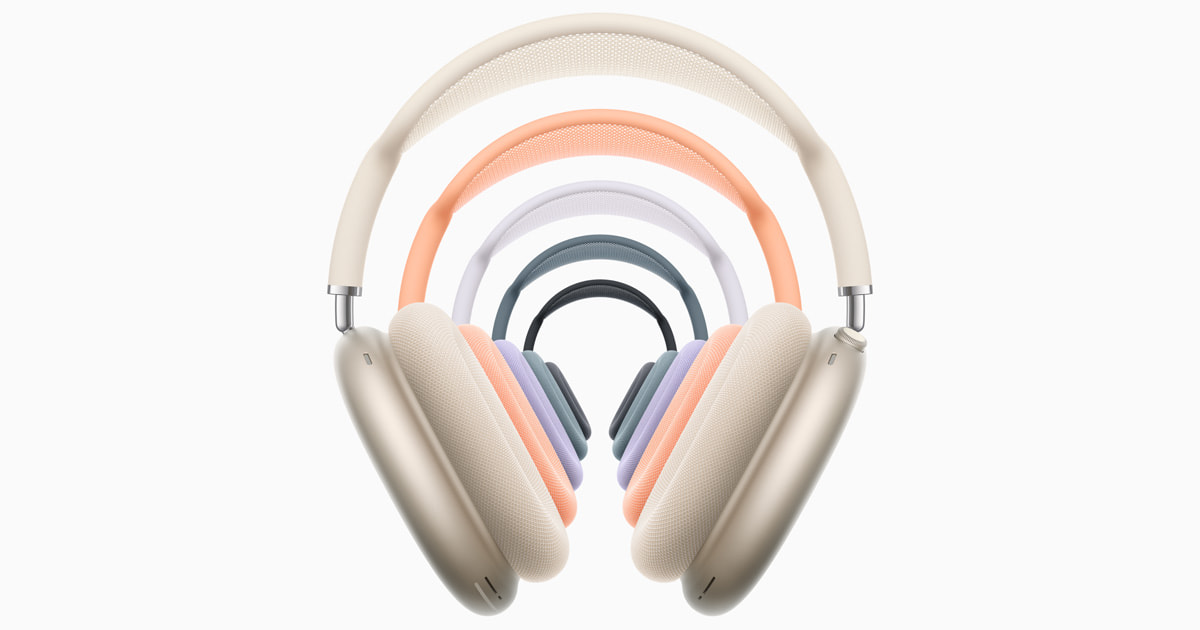
The practical catch is hardware. Apple’s own AirPods historically streamed over Bluetooth at a quality that does not pass full lossless, so to truly hear the difference you need wired headphones or a compatible DAC, though Apple’s newer wireless kit narrows the gap with ultra-low-latency lossless on supported models. For anyone with an iPhone, Mac, Apple Watch or HomePod, the integration is seamless and the price is lower than Spotify. If you are weighing up headphones to go with it, our comparison of the Bose QuietComfort Ultra Earbuds versus Sony WF-1000XM5 is a useful companion read, and Apple users should also check whether bundling with other services through one bill suits them better than separate subscriptions.
Amazon Music Unlimited: the Prime members’ bargain
If you already pay for Amazon Prime, Amazon Music Unlimited is arguably the best-value way to get hi-res streaming in the UK. Prime members pay £11.99 a month for an Individual plan, or £119 a year which works out at under £10 a month, undercutting Spotify by a wide margin over twelve months. Non-Prime customers pay £12.99, level with Spotify, and the Family plan is £21.99 for Prime households. The service supports HD and Ultra HD streaming in FLAC, plus Spatial Audio, putting it in the same hi-res bracket as Apple and Tidal, a step beyond the 24-bit/44.1kHz lossless Spotify offers in Britain.
The annual £119 option is the quiet hero here. Paying once a year removes the monthly drip and locks in the lowest effective price of any mainstream service on this list. The trade-off is the app, which most reviewers still rank behind Spotify and Apple Music for discovery and interface polish, and the deepest features lean on Amazon’s Echo and Alexa ecosystem. If your speakers and routines already run through Alexa, this is close to a no-brainer. If you live on your phone and value playlists above all, you may prefer Apple. Either way, the Prime-member discount means Amazon deserves a serious look before you renew Spotify, much as we suggested when readers asked how to downgrade Spotify to free in the UK without losing everything.
Tidal, Deezer and Qobuz: the audiophile bracket
For listeners who chase sound quality first, three services stand out. Tidal offers HiFi with hi-res FLAC up to 24-bit/192kHz and Dolby Atmos at around £10.99 a month for an Individual plan, with Family around £16.99 and a student rate around £5.49, making it both cheaper than Spotify and dramatically better on audio. Qobuz Studio sits around £12.99, level with Spotify on price but built entirely around hi-res lossless up to 24-bit/192kHz, and its Sublime tier adds discounts on track and album purchases for people who still like to own their music.
Deezer Premium, at around £11.99 a month, takes a middle path: it includes HiFi lossless FLAC at CD quality, 16-bit/44.1kHz, which is roughly level with the lossless stream Spotify now offers, even if both stop short of the 24-bit/192kHz hi-res that Tidal and Qobuz reach. The verdict in this bracket comes down to how far you want to go. Casual lossless on a phone with decent earbuds is well served by Deezer or Tidal; serious listeners with a proper DAC and wired headphones will get the most from Qobuz. None of them matches Spotify’s recommendation engine, so you trade a little discovery polish for a clear audio upgrade. It is the same calculus as deciding whether premium kit is worth it, which we examined with the Sonos Play in the UK.
Spotify alternatives UK price comparison at a glance
Here is the full picture at a glance. All figures are UK £ per month unless stated, taken from each provider’s UK pages and the references in our facts. Where a figure is approximate we have rounded to the nearest published rate and flagged it as “around” in the prose above.
| Service | Individual | Family | Student | Lossless / hi-res |
|---|---|---|---|---|
| Spotify | £12.99 | £21.99 | £5.99 | Lossless to 24-bit/44.1kHz; no hi-res |
| Apple Music | £10.99 | £16.99 | £5.99 | Lossless to 24-bit/192kHz + Spatial |
| Amazon Music Unlimited | £11.99 (Prime) / £12.99 | £21.99 | n/a here | HD, Ultra HD FLAC + Spatial |
| Tidal | around £10.99 | around £16.99 | around £5.49 | HiRes FLAC to 24-bit/192kHz + Atmos |
| Deezer | around £11.99 | varies | varies | HiFi FLAC at CD quality 16-bit/44.1kHz |
| Qobuz | around £12.99 | varies | varies | HiRes lossless to 24-bit/192kHz |
| YouTube Music | £12.99 | around £19.99 to £25.99 | £5.99 | No native hi-res; AAC ~256kbps |
The pattern is hard to miss. Apple and Tidal both come in cheaper than Spotify while offering the hi-res audio Spotify still lacks in the UK; Amazon matches or beats it for Prime members; and Qobuz, which sits just above Spotify’s price, hands you full 24-bit/192kHz hi-res for the money. YouTube Music is the one true like-for-like, charging the same £12.99 because that price is bundled into YouTube Premium, but it offers no native lossless tier and tops out at standard AAC around 256kbps.
Pricing is only half the story, of course. The other half is whether the service fits how you actually listen: the device you carry, the speakers in your home, and whether you share a plan with family. A £2 monthly saving is meaningless if the app frustrates you into cancelling, and a hi-res tier is wasted if you only ever listen on cheap Bluetooth earbuds in a noisy commute. With the numbers settled, the rest of this guide turns to matching the right service to the right listener.
YouTube Music and the bundling question
YouTube Music deserves its own note because of how it is sold. The £12.99 a month you pay for YouTube Premium, which strips ads from YouTube videos and enables background play, includes YouTube Music at no extra cost. For heavy YouTube users that effectively makes the music service free, which changes the value equation entirely. The Family plan runs from around £19.99 to £25.99 and students pay £5.99. The audio ceiling is standard AAC at roughly 256kbps, so there is no lossless here, but the catalogue is vast and uniquely strong on live versions, remixes and covers that other services lack.

Bundling is the wider theme for 2026. With so many monthly subscriptions competing for the same household budget, the smart move is to count what you already pay for and avoid duplication. If you watch a lot of YouTube, Premium plus its free music tier may quietly replace Spotify. If you hold Amazon Prime, the £119 annual Music Unlimited deal is the cheapest hi-res option going. The same discipline applies across entertainment generally, which is why we keep returning to the topic in pieces like our guide to Disney Plus password sharing rules in the UK. Audit the bundle before you pay twice.
Apple and Tidal undercut Spotify on price while handing you hi-res audio Spotify still will not sell in Britain. For most UK switchers, paying less and getting more is the whole argument.
Picking by use-case: who should choose what
Strip away the spec sheets and the choice falls into a handful of clear lanes. Best overall value goes to Apple Music: at £10.99 it is cheaper than Spotify, includes lossless and Spatial Audio, and works on the widest range of devices including Android. Best for audiophiles is a toss-up between Tidal and Qobuz, both delivering 24-bit/192kHz hi-res, with Tidal cheaper at around £10.99 and Qobuz the choice for those who also buy music outright through its Sublime tier.
Best for Apple users is, unsurprisingly, Apple Music, where the integration with iPhone, HomePod and the Watch makes everything from Siri requests to handoff effortless. Best for Prime members is Amazon Music Unlimited, especially on the £119 annual plan that beats every monthly price here. Best for households still wedded to Spotify’s interface but wanting to cut costs may simply be to move to a cheaper plan or accept the rise, though the savings elsewhere are real. If you want the cross-service cost discipline laid out in full, our piece on subscription costs for UK households sets out a framework you can apply to music too, and broadband or mobile bundles can shift the maths again as we noted in our best EE plan guide for 2026.
Where to buy or check next in the UK
Every service on this list sells directly through its own UK site, and that is where to confirm the latest price before you commit, since promotional trials change often. Check apple.com/uk for Apple Music, which usually offers a free trial of one to three months for new subscribers. Amazon Music Unlimited is bought through amazon.co.uk, where the Prime-member rate and the £119 annual option both appear once you are signed in with a Prime account, so log in before comparing. Tidal, Deezer and Qobuz each run their own UK sign-up pages with trial periods, and tidal.com in particular frequently bundles extended trials.
If you are leaving Spotify, do it cleanly. You can step down to the free, ad-supported tier rather than cancelling outright if you want to keep your playlists and library intact, which preserves years of saved music while you trial a rival. We walk through exactly that process in our guide to downgrading Spotify to free in the UK. Whatever you pick, sign up through the official site rather than a third-party reseller, and never use a VPN to chase a cheaper foreign price: region-switching breaks the terms of service and risks your account.
If you hold Amazon Prime, the £119-a-year Music Unlimited plan is the cheapest hi-res streaming in Britain, full stop. It is the single biggest saving on this page.
Our verdict
Should a UK Spotify subscriber switch in 2026? For most people, yes, and the destination is Apple Music. It costs £10.99 against Spotify’s £12.99, includes hi-res lossless up to 24-bit/192kHz and Spatial Audio that Spotify does not sell in Britain, and works happily on Android as well as Apple kit. That is paying less and getting more, which is the textbook reason to move. Prime members have an even stronger case for Amazon Music Unlimited, where the £119 annual plan is the cheapest hi-res option on this entire page. Audiophiles should head to Tidal at around £10.99 or Qobuz at around £12.99 for true 24-bit hi-res. The only group with a reason to stay is people who genuinely lean on Spotify’s recommendation engine and shared playlists and value them above a couple of pounds a month and better sound. For everyone else, the UK price rise has tipped the balance, and there has never been a better moment to shop around. Our buying desk would switch.














Reader discussion
Leave a comment
Comments are moderated. Keep it useful, accurate, and on topic.