
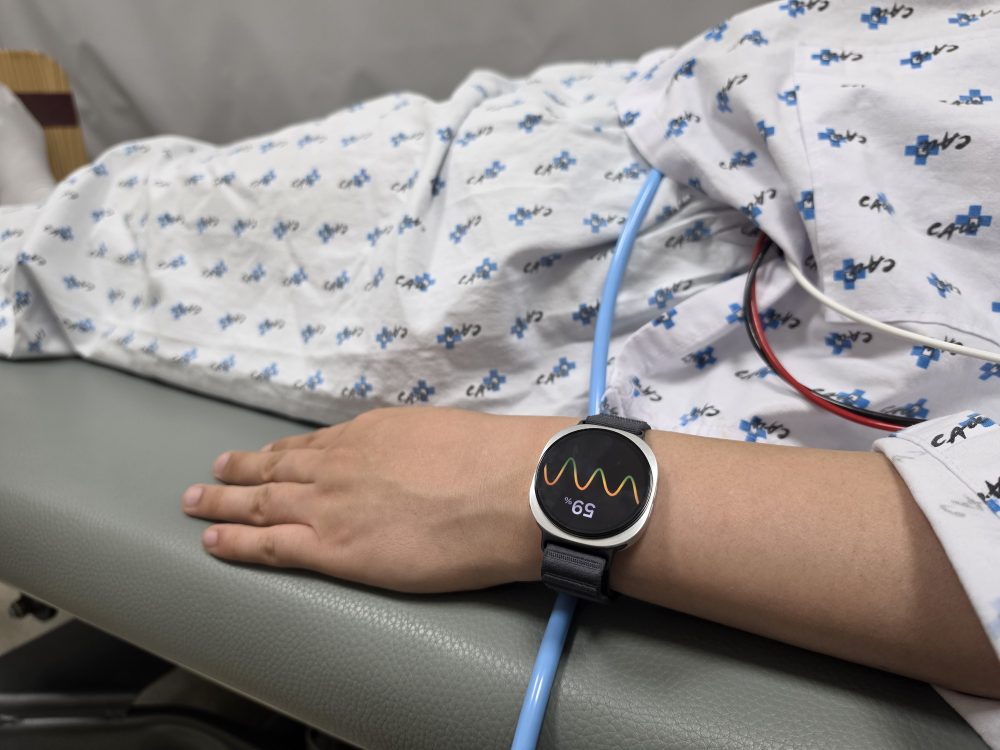
The Samsung Galaxy Ring has been on UK fingers for nearly two years now, and the story it tells is not the one the launch reviews promised. We have spent the past few weeks gathering and reading owner reports from across the UK and Europe, and a clear, uncomfortable theme keeps surfacing: battery degradation. The sharpest example came from a UK owner who said Samsung quoted £389 to repair a ring that cost £399 to buy, posted to the Samsung EU Community wearables thread in November 2025. That single line crystallises the consumer-rights question hanging over this device, so we are leading with it.
- Launched in the UK with sales from 24 July 2024 at an RRP of £399 (Radio Times, July 2024; Samsung UK).
- Rated for up to 7 days on a single charge, varying by ring size, with larger sizes 12 to 13 using a bigger cell (Samsung UK).
- A one-year long-term review found real-world battery fell from roughly 7 days to about 5 days at six months and around 2 days at twelve months (techguysmartbuy.com, January 2026).
- Some UK and EU owners report degradation to around 20 hours after 12 to 14 months, often just past the 12-month warranty (Samsung EU Community, owner-reported).
- The Galaxy Ring 2 is not expected until early 2027, alongside the Galaxy S27 series (Tom’s Guide, 6 May 2026): why it matters if you are tempted to wait.
How we did this. This is an owner-sentiment aggregation, not MTW lab data. We have read published long-term reviews and a run of public Samsung EU Community threads from November 2025 onwards, then banded the findings as “some owners report” wherever they come from forums rather than controlled testing. Where we cite a measured figure, such as the one-year battery trajectory, we name the review and date. Treat the forum numbers as a signal of a pattern, not as a guaranteed outcome for every unit.
Why the battery story matters most
The Samsung Galaxy Ring sells itself on one promise above all others: a wearable you charge once a week and otherwise forget. Samsung UK rates it for up to 7 days on a single charge, with the figure varying by ring size because the larger sizes 12 and 13 carry a bigger cell. On day one that promise largely holds. The problem owners describe is not the starting figure but the slope after it. A detailed one-year long-term review published in January 2026 by techguysmartbuy.com tracked a unit that began near the rated 7 days, slid to roughly 5 days by the six-month mark, and reached only around 2 days by twelve months. That is a steep decline for a device whose entire pitch is set-and-forget endurance.
Beyond the published review, some owners report sharper falls. Threads on the Samsung EU Community from November 2025 onwards describe rings dropping to around 20 hours of life after 12 to 14 months of use, banded here as owner-reported rather than measured by us. Not every ring behaves this way, and lithium cells in any small wearable lose capacity over time, which is exactly why we recommend reading our take on the wider category in our look at the best AI wearables to buy in 2026. The pattern matters because a ring you cannot easily open and re-cell is, functionally, a sealed unit. When the battery goes, your options narrow fast, and that is where the UK cost question begins to bite.
Repairability and the £389 question
Here is the line that should give every prospective buyer pause. A UK owner posting to the Samsung EU Community wearables thread in November 2025 said they were quoted £389 by Samsung to repair or replace their ring, a device they had bought for £399. That is a repair quote sitting within a few pounds of a brand-new purchase, on a post-warranty case. In the owner’s own words, the maths is brutal.
“The ring cost £399. Samsung quoted me £389 to repair the ring. I bought it for £399. cost £399 to only last 12M.”
Owner, Samsung EU Community wearables thread, November 2025

To be fair to Samsung, the company states that abnormal battery degradation within the first 12 months may be covered under warranty, while out-of-warranty repairs are chargeable. That is consistent with UK consumer expectations on paper. The friction owners describe is in the timing: several reports place the worst degradation at or just after the 12-month mark, which is precisely when warranty cover lapses. UK buyers do have statutory rights beyond a manufacturer warranty under the Consumer Rights Act, and goods are expected to be durable, so it is worth keeping your receipt and raising any premature failure with the retailer as well as Samsung. If you are weighing a sealed wearable against a more serviceable smartwatch, our guide to the Samsung Galaxy Watch 8 UK price is a useful counterpoint, because a watch battery is at least part of a device you can more readily service or replace whole.
Living with it day to day
Set the battery worry aside for a moment and the everyday experience is genuinely pleasant. A ring is the most unobtrusive wearable going: no screen to distract you, nothing to charge nightly when it is new, and sleep tracking that does not involve strapping a watch to your wrist in bed. Owners consistently praise the comfort and the fact that they simply forget they are wearing it, which is the highest compliment a passive tracker can earn.

One quietly important point from the long-term coverage: the charging case continues to perform well even as the ring’s own battery declines. The techguysmartbuy review noted in January 2026 that the case still delivered multiple top-ups, so the failing component is the ring cell rather than the charging hardware. That is cold comfort if your week-long ring now needs a top-up every other day, but it does mean you are unlikely to be stranded mid-day. For health-minded buyers comparing approaches to passive sensing, it is worth reading how Samsung is pushing wrist-based detection in our explainer on Galaxy Watch fainting detection in the UK, because the sensor ambitions across Samsung’s wearable line are converging even as the form factors differ.
What the Samsung Galaxy Ring promised on video
It helps to remember what Samsung set out to sell here, because the gap between the marketing and the two-years-on reality is the heart of this review. Samsung’s own introduction video frames the ring as an effortless, always-on health companion, leaning hard on comfort and that week-long battery promise. Watch it with the degradation reports in mind and the contrast is instructive.
The launch framing was accurate for a brand-new unit, and that is the trap. A wearable bought on the strength of a seven-day claim feels excellent for the first few months, which is well inside the window where most reviews and return periods close. The decline arrives later, quietly, and by then you are emotionally and financially committed. If you are the sort of buyer who upgrades phones often and is comfortable treating the ring as a roughly two-year consumable, that framing might be fine for you, much as our readers weigh fast-moving hardware in our coverage of whether the Samsung Galaxy S26 is worth it in the UK. If you expect a £399 device to last like jewellery, the video’s promise and the forum reality sit awkwardly together.
Pricing now versus waiting for Ring 2
The good news for bargain hunters is that the Samsung Galaxy Ring no longer costs £399 on the street. UK prices have fallen since launch, with promotions seen as low as around £299 at Currys, according to deal coverage from TechRadar and Currys. At £299 the value calculation changes meaningfully: a roughly two-year lifespan on a £299 device is far easier to stomach than the same lifespan on a £399 one. That said, a lower entry price does not fix the underlying degradation pattern; it simply lowers the cost of the gamble.
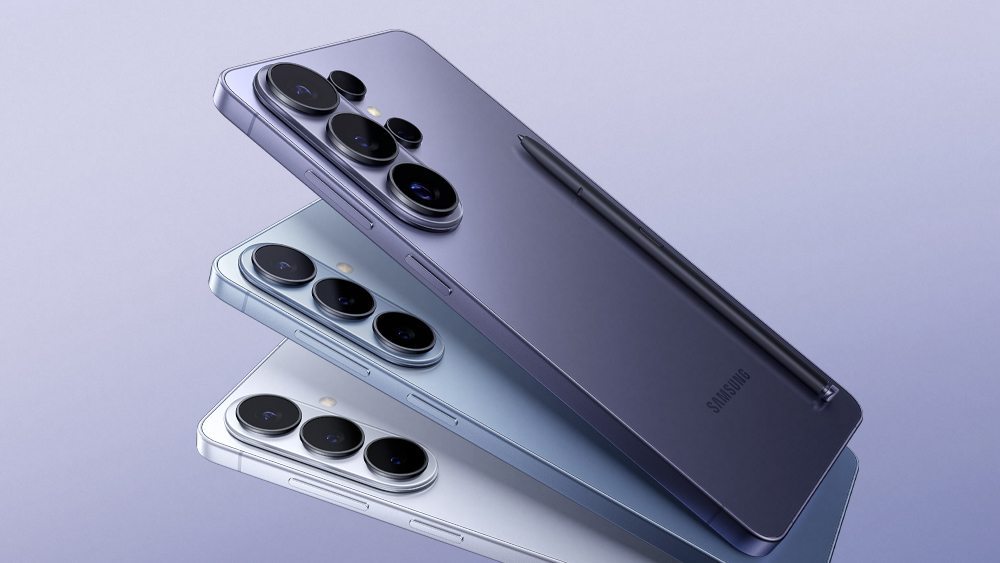
Then there is the temptation to wait. The Galaxy Ring 2 is not expected until early 2027, arriving alongside the Galaxy S27 series, with reports pointing to roughly January per ETNews and relayed by Tom’s Guide on 6 May 2026. That is a long time to hold off. We will not speculate about Ring 2 specifications because Samsung has announced none, and we are not going to invent improvements that may or may not appear. What we can say is that waiting eight or more months for an unannounced successor only makes sense if your current tracker is fine and you are merely curious. If you are buying now, buy the device in front of you on its current merits, not on a 2027 promise. Buyers tracking Samsung’s wider roadmap may also want our piece on the Samsung Galaxy Z Fold8 UK rumours for a sense of how the company paces its launches.
Alternatives a UK buyer should weigh
If the sealed-battery risk puts you off, you have real choices. The most direct rival in the ring category is covered in our review of the Oura Ring 5 in the UK, which competes on the same comfort-and-sleep proposition. Within Samsung’s own range, a smartwatch trades the ring’s invisibility for a screen, notifications and a larger, more serviceable battery, and our Galaxy Watch 8 versus Apple Watch Series 11 comparison lays out who each suits.
Outside Samsung, there are durable, long-battery smartwatches that take a different view of longevity entirely, and our Huawei Watch GT 6 UK price and specs guide is a useful reference point for anyone prioritising endurance over a ring’s discretion. The honest framing is this: if the ring form factor is the whole point for you, the comfort is hard to replicate on the wrist. If it is the health data you are after, a watch gives you more sensors, a screen and a battery you are less likely to be quoted £389 to fix. Match the device to what you actually value, and the degradation worry shrinks from a dealbreaker to a known trade-off.
Specifications and the two-year picture
| Detail | What we know |
|---|---|
| UK launch | Sales from 24 July 2024 |
| RRP at launch | £399 |
| Typical street price now | Around £299 at Currys (promotions) |
| Rated battery | Up to 7 days, varies by size (12 to 13 use a bigger cell) |
| Real-world battery (1-year review) | About 7 days new, around 5 days at 6 months, around 2 days at 12 months |
| Owner reports (banded) | Some report around 20 hours after 12 to 14 months |
| Charging case | Continues to deliver multiple top-ups |
| Successor | Galaxy Ring 2 expected early 2027, with the Galaxy S27 series |
Read that table as a whole and the device’s character is clear. It launched well, it is comfortable, the case hardware is sound, and the one part owners cannot service themselves is the part that fades. That is a coherent picture rather than a faulty product, but it is a picture you should buy into with eyes open.
A week-long battery that becomes a two-day battery inside a year turns a set-and-forget wearable into a daily chore, and that is the trade-off no spec sheet shows you.
Where to buy or check next in the UK
If you decide the ring is for you, shop on price. Currys has run the Samsung Galaxy Ring at around £299 in promotions, well below the £399 RRP, so it is the first place we would check, then compare against Samsung UK’s own store and Amazon UK for any matching or beating offers. Whatever you pay, keep the receipt and note the purchase date, because the 12-month warranty boundary is exactly where the worst owner reports cluster, and your statutory rights under the Consumer Rights Act run alongside any manufacturer cover. If you spot premature battery failure, raise it promptly with both the retailer and Samsung rather than waiting it out. For buyers still deciding between form factors, the alternatives above, the Oura Ring 5, the Galaxy Watch 8 and the Huawei Watch GT 6, are all worth pricing up in the same basket before you commit.
Our verdict
Our score: 6.5/10. The Samsung Galaxy Ring is a genuinely lovely thing to wear and a clever bit of hardware, and at the current street price of around £299 it is far easier to recommend than it was at £399. But we cannot ignore the through-line of these two years: a flagship battery promise that, for some owners, fades to a daily inconvenience inside twelve months, landed alongside a repair economy where a UK owner was quoted £389 to fix a £399 device. If you treat it as a roughly two-year consumable bought on discount, go ahead and buy now, ideally from Currys with your receipt filed. If you expect lasting value or you are tempted to wait, hold off: do not pay full RRP, and do not wait blindly for the 2027 Ring 2 on the strength of specs nobody has announced. The comfort is real; the longevity risk is the thing that flips it.








Reader discussion
Leave a comment
Comments are moderated. Keep it useful, accurate, and on topic.