
News · 30 May 2026 · MTW Editorial Team
The VodafoneThree satellite plan cleared its biggest UK hurdle in April when Vodafone confirmed that Ofcom had approved a licence variation letting it beam a mobile signal from space to an ordinary 4G or 5G handset. No special phone, no dish, no bolt-on box: the SIM in your pocket is meant to pick up calls, texts and data where there is simply no mast. That makes VodafoneThree the second UK network cleared for this, sharpening a coverage race that already has O2 live and EE waiting in the wings.
- Ofcom approved VodafoneThree’s 900MHz licence variation on 10 April 2026 for satellite direct-to-device.
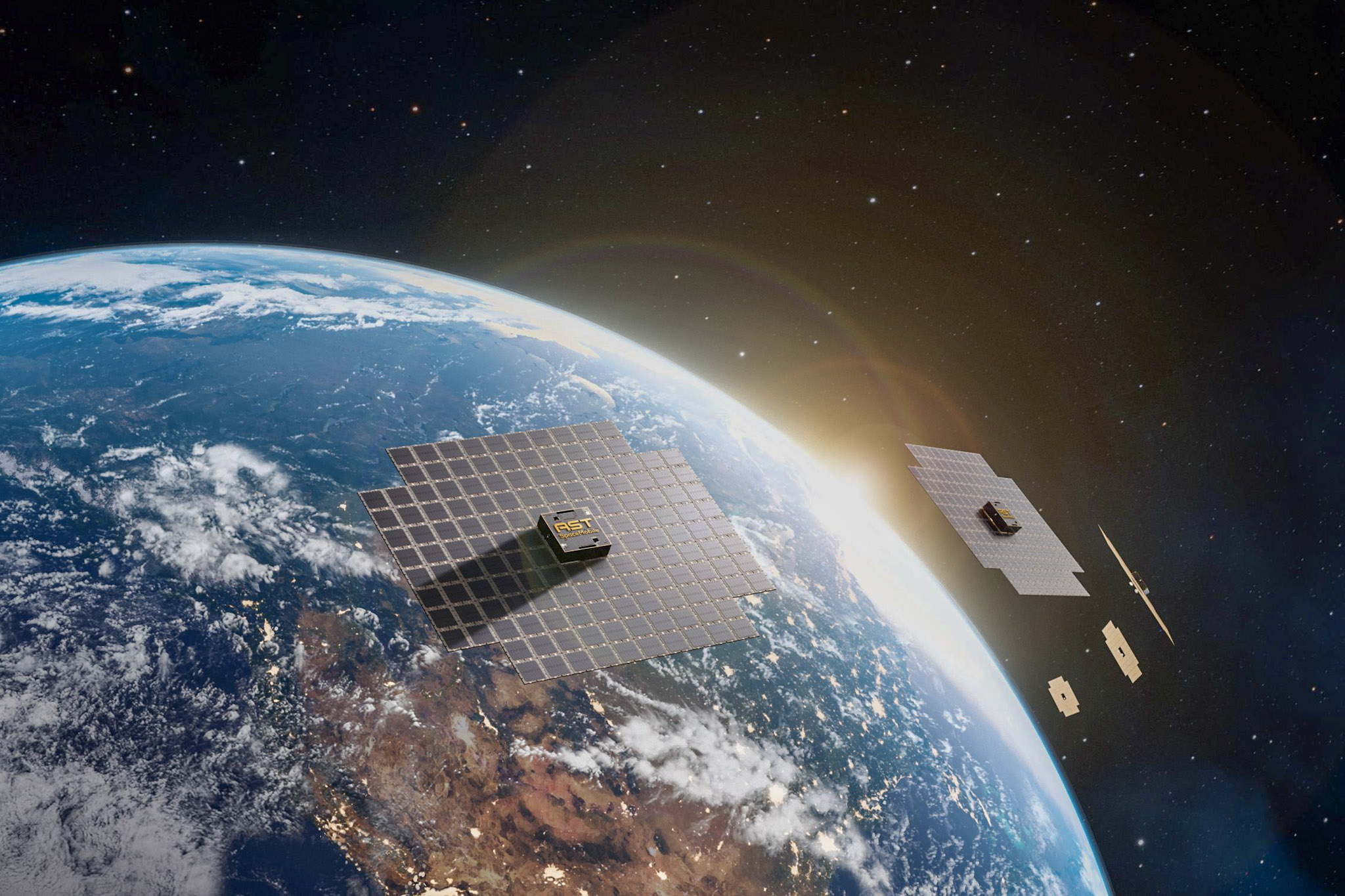
- Satellites come from AST SpaceMobile via the Satellite Connect Europe joint venture; customer trials are planned for later in 2026.
- VodafoneThree is the second UK operator cleared after Virgin Media O2, which launched O2 Satellite (Starlink, 1800MHz) on 26 February 2026 as a 3-pound-a-month bolt-on.
- No special hardware needed: a standard 4G or 5G smartphone connects when no ground mast is in range.
What Ofcom actually approved, and why 900MHz matters
Ofcom did not run a new spectrum auction. It varied the operator’s existing public wireless network licence so the same airwaves can point at the sky as well as the ground. VodafoneThree applied on 3 March 2026, and Ofcom approved it on 10 April, across two slices of the 900MHz band. That is the mechanism behind every direct-to-device launch in Britain: reuse licensed mobile spectrum for a satellite link rather than a separate band your phone has never heard of.

The choice of 900MHz is the technical heart of it. Low-frequency radio waves travel further and bend around terrain better than the higher bands used for urban 5G, which is what you want when the transmitter is hundreds of kilometres up. Crucially, the link is not messaging-only: Vodafone says it will carry data, voice and SMS, complementing ground masts rather than offering a stripped-back emergency mode. For context on how the merged network is being rebuilt, our explainer on the full Vodafone takeover of VodafoneThree sets out who owns what.
Which phones work, and the no-special-hardware promise
This is what separates the UK operator approach from the Apple route most people know. Apple’s Emergency SOS via satellite leans on specific handset hardware and a particular software mode. VodafoneThree’s direct-to-device model does the opposite: the cleverness sits in the satellite and the network, so a standard 4G or 5G phone already in your pocket is the receiver. Vodafone Group proved the concept in January 2025 with the world’s first space-based video call from a total not-spot, made on an ordinary smartphone over an AST SpaceMobile satellite.
For a UK buyer, the first check is your network, not your handset: no new phone, dongle or roof aerial when it arrives. The realistic caveats are the ones any space link carries, namely a clear view of the sky, a satellite overhead and modest early capacity. If you are setting a phone up across networks anyway, our eSIM setup walkthrough for EE, VodafoneThree and O2 covers the activation steps, and the checklist in our Xiaomi 17T eSIM guide helps you confirm band support first.
VodafoneThree versus O2’s head start and EE’s Starlink plan
VodafoneThree is approved, but not first. Virgin Media O2 switched on O2 Satellite on 26 February 2026, using SpaceX’s Starlink Direct to Cell network on a slice of 1800MHz. O2 launched it as a 3-pound-a-month bolt-on, free in time for Ultimate Plan customers, and said it lifted UK landmass coverage from roughly 89 to 95 percent. That is the live benchmark VodafoneThree must beat, and it signals pricing will likely be an add-on, not a free upgrade.
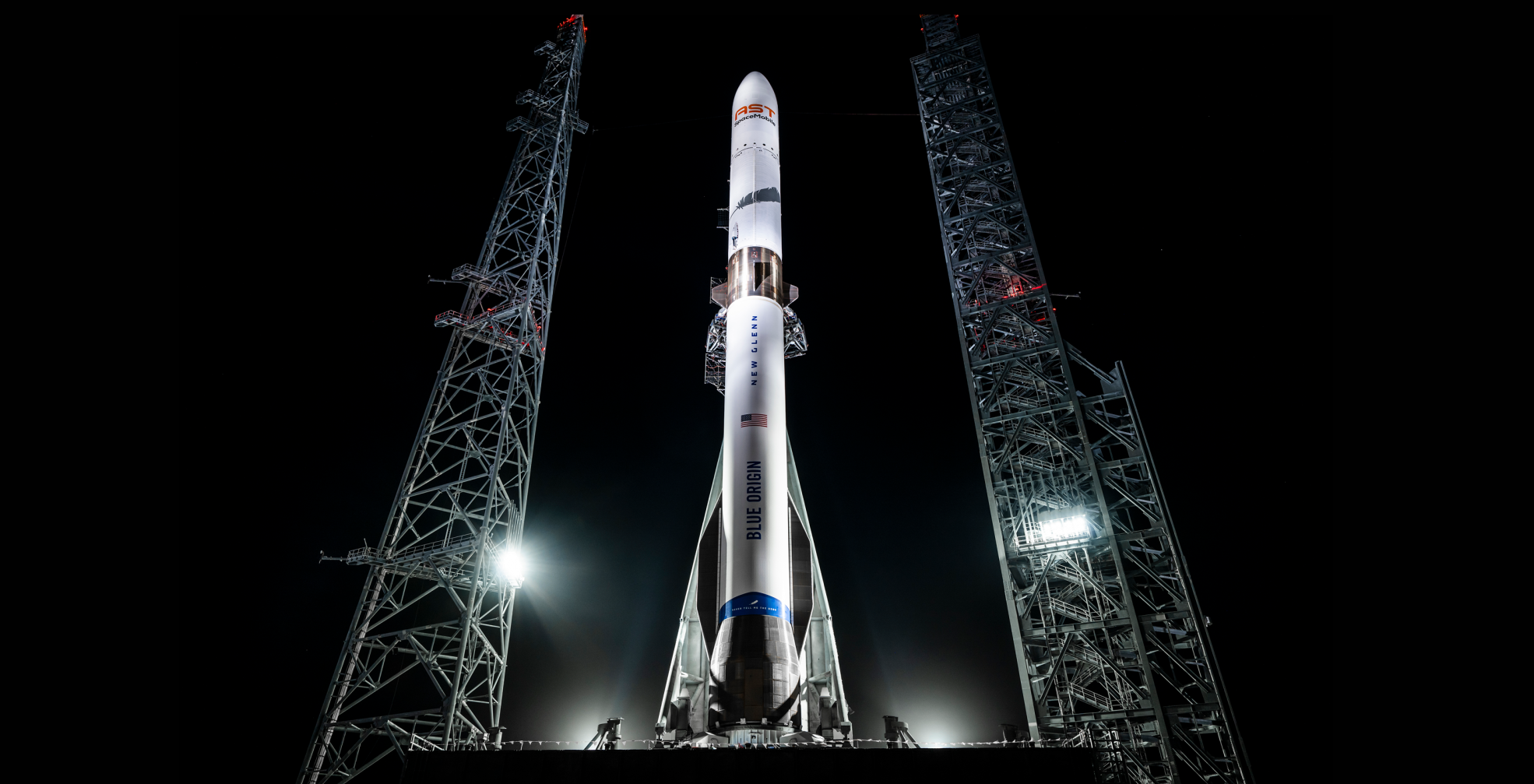
The split that matters: O2 uses Starlink, VodafoneThree uses AST SpaceMobile, and AST’s pitch is fuller mobile broadband capable of voice and video, not just data and messaging. EE’s owner BT has its own Starlink partnership, but it is aimed at rural fixed broadband and is slated for the second half of 2026, not a direct-to-phone product. So the honest state of play is one network live, one approved and trialling, and one still mainly talking about broadband. Our look at EE’s 5G+ network expansion shows where EE puts its coverage effort today.
What VodafoneThree is promising, in its own words
VodafoneThree has been explicit about the goal. Andrea Dona, Chief Network Officer at VodafoneThree, said the AST SpaceMobile tie-up “supports our ambition to deliver direct-to-device satellite connectivity capable of data, voice, and SMS to our customers, leading to the elimination of coverage gaps in hard-to-reach and remote areas.” He added the operator is “absolutely committed to connecting our customers in every nation, in every community, and in every corner of the UK,” in the company’s 2 March 2026 update confirming customer trials this year.

The detail to hold onto is the word trials. AST SpaceMobile’s low Earth orbit satellites carry the link to your handset, then route traffic to VodafoneThree ground stations and on to the internet by fibre, but this is not a switch you can flip on your account this month: the commercial terms, eligible plans and launch coverage map all remain to be published.
What a UK buyer should check before banking on it
If satellite coverage is why you are tempted to switch or stay, four checks decide it. Your network: only VodafoneThree and O2 are in this game now, so on EE or an EE-based MVNO it is a wait. Cost: O2’s 3-pound bolt-on is the only confirmed UK price, so do not assume VodafoneThree will be free. Use case: emergency texts from a hilltop are a different requirement from working data in a remote valley. And location: this is a not-spot fix, not a city upgrade, so it earns its keep only if your weak-signal pain is in the Highlands, on the coast or out walking, not on a commuter train. Our piece on satellite messaging and eSIM for travel pairs well here, and our guide to EE 5G+ and compatible phones shows how to confirm your handset qualifies for the latest bands.
Our verdict
Our view: do not switch networks for VodafoneThree satellite coverage yet, because it is approved and trialling, not live, with no price or coverage map to judge. If you live or work in a not-spot today and want satellite-to-phone now, Virgin Media O2’s O2 Satellite is the only service you can actually buy in the UK, at 3 pounds a month, and that is where a not-spot buyer should look this minute. VodafoneThree is the more interesting long bet: AST SpaceMobile’s full data, voice and SMS pitch on the far-reaching 900MHz band could prove stronger than O2’s Starlink data link, so existing VodafoneThree customers have every reason to wait for the trial. What would flip our call is a confirmed launch date, an inclusive price rather than a paid bolt-on, and a coverage map proving it reaches the places O2 still cannot.
VodafoneThree satellite: frequently asked questions
Do I need a special phone for VodafoneThree satellite coverage?
No. The direct-to-device design puts the complexity in the satellite and the network, so a standard 4G or 5G smartphone is the receiver. That is different from Apple’s satellite features, which depend on specific handset hardware. Vodafone proved the approach with a video call from a not-spot on an ordinary phone in January 2025, so you should not need to buy new hardware when the service launches.
When can I use it, and will it cost extra?
VodafoneThree has confirmed customer trials for later in 2026 rather than an immediate consumer launch, and it has not published a price. The only UK reference point today is O2 Satellite at 3 pounds a month as a bolt-on, set to be included free for O2 Ultimate Plan customers. Treat VodafoneThree pricing as unconfirmed until the operator states it.
Does EE have a satellite-to-phone service?
Not yet as a direct-to-phone product. EE’s owner BT has a Starlink partnership, but it targets rural fixed broadband and is expected in the second half of 2026. For satellite-to-phone coverage, only VodafoneThree (trialling) and O2 (live) are pursuing it for ordinary handsets in the UK.
Related reading on MTW
Buyer action
Where to buy or check next
Use this as the final check before ordering a phone, changing network or trusting a headline monthly price.












Reader discussion
Leave a comment
Comments are moderated. Keep it useful, accurate, and on topic.