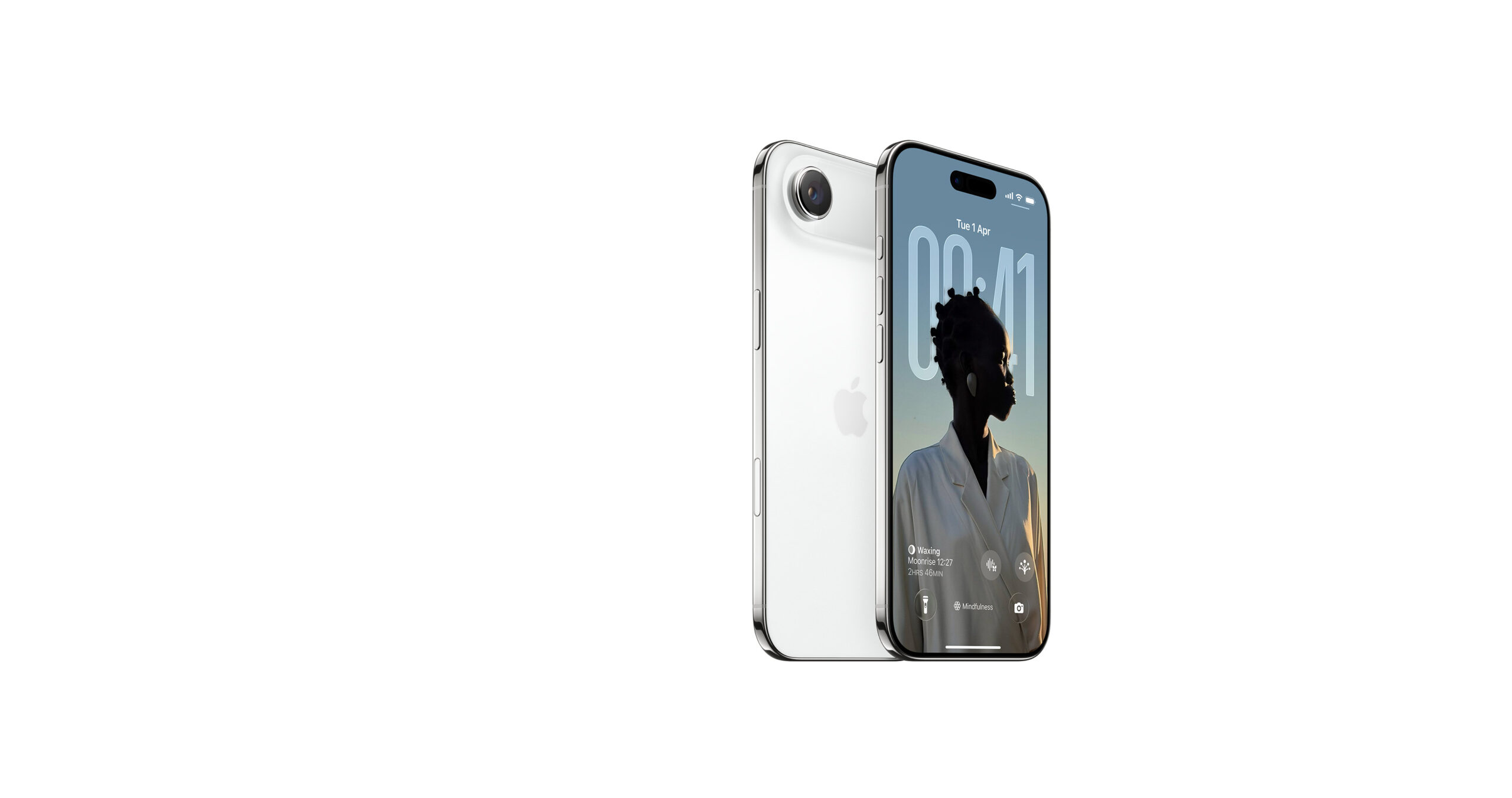
iPhone Air UK power users keep asking the same question, and the honest 2026 answer is uncomfortable. Apple’s iPhone Air starts at £999 for 256GB, climbs to £1,399 at 1TB, and still launches with a single rear camera, a 27-hour video battery and eSIM only. For anyone who actually pushes their phone, it is the wrong iPhone to buy this year.
- iPhone Air UK SIM-free pricing: £999 (256GB), £1,199 (512GB), £1,399 (1TB).
- iPhone 17 (the standard 6.3-inch model) starts at £799 in the UK with 256GB.
- iPhone 17 Pro starts at £1,099 with the full triple-camera array.
- iPhone Air is 5.6mm thick, 165g and eSIM only on UK networks.
- Single 48MP Fusion rear camera; up to 27 hours video, up to 40 hours with the optional MagSafe Battery.
Why iPhone Air still misses the mark for UK power users
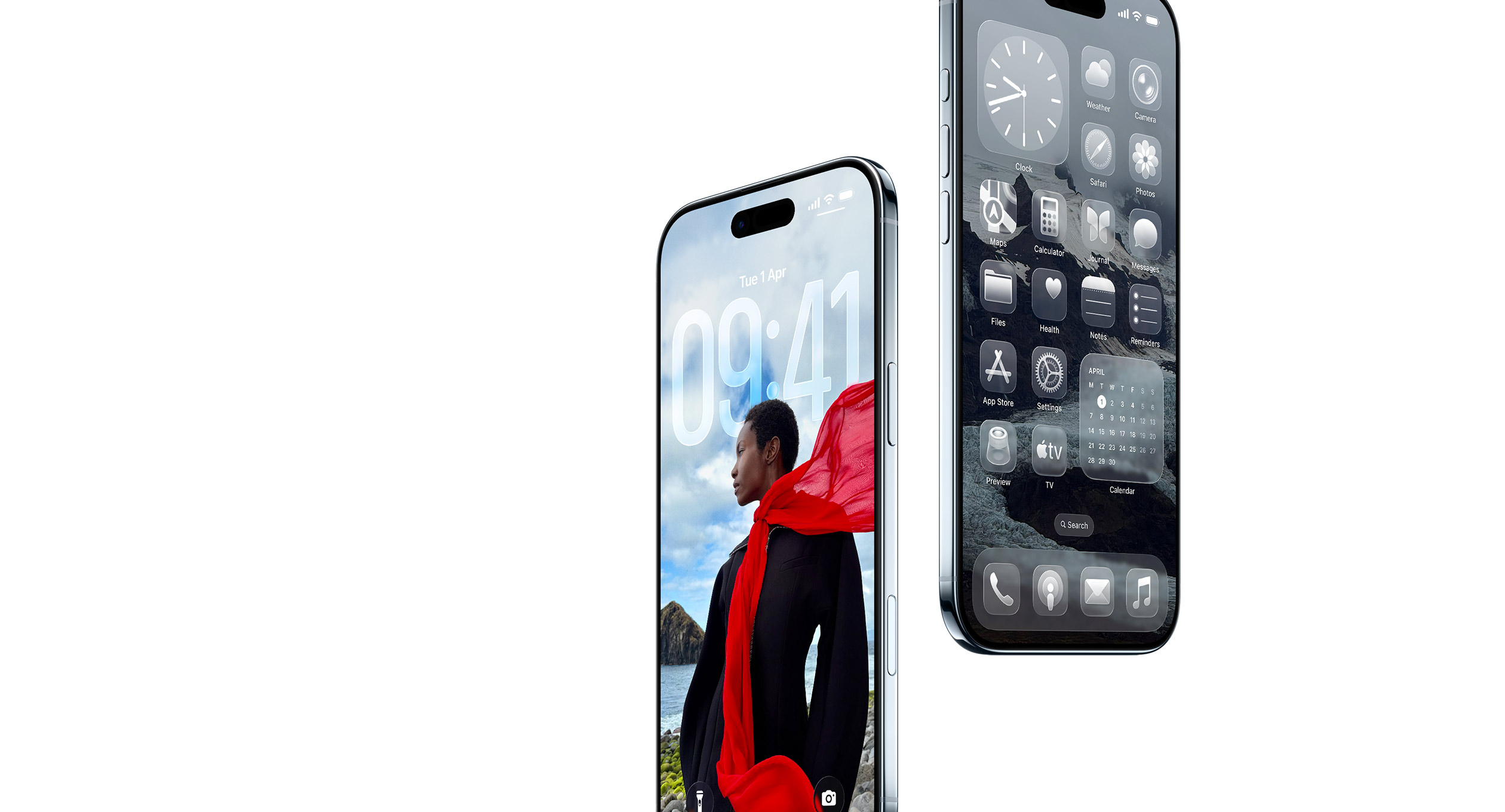
Apple’s pitch for iPhone Air is simple. It is the thinnest iPhone Apple has ever shipped, at 5.6mm and 165g, with a titanium frame. Pick one up next to an iPhone 17 Pro and the difference in the hand is real. The pitch lands less cleanly the moment you tally what a UK power user wants from a £999 phone: a flexible camera, all-day battery without an accessory bolted on the back, and a SIM tray that works on whichever UK network you need this year.
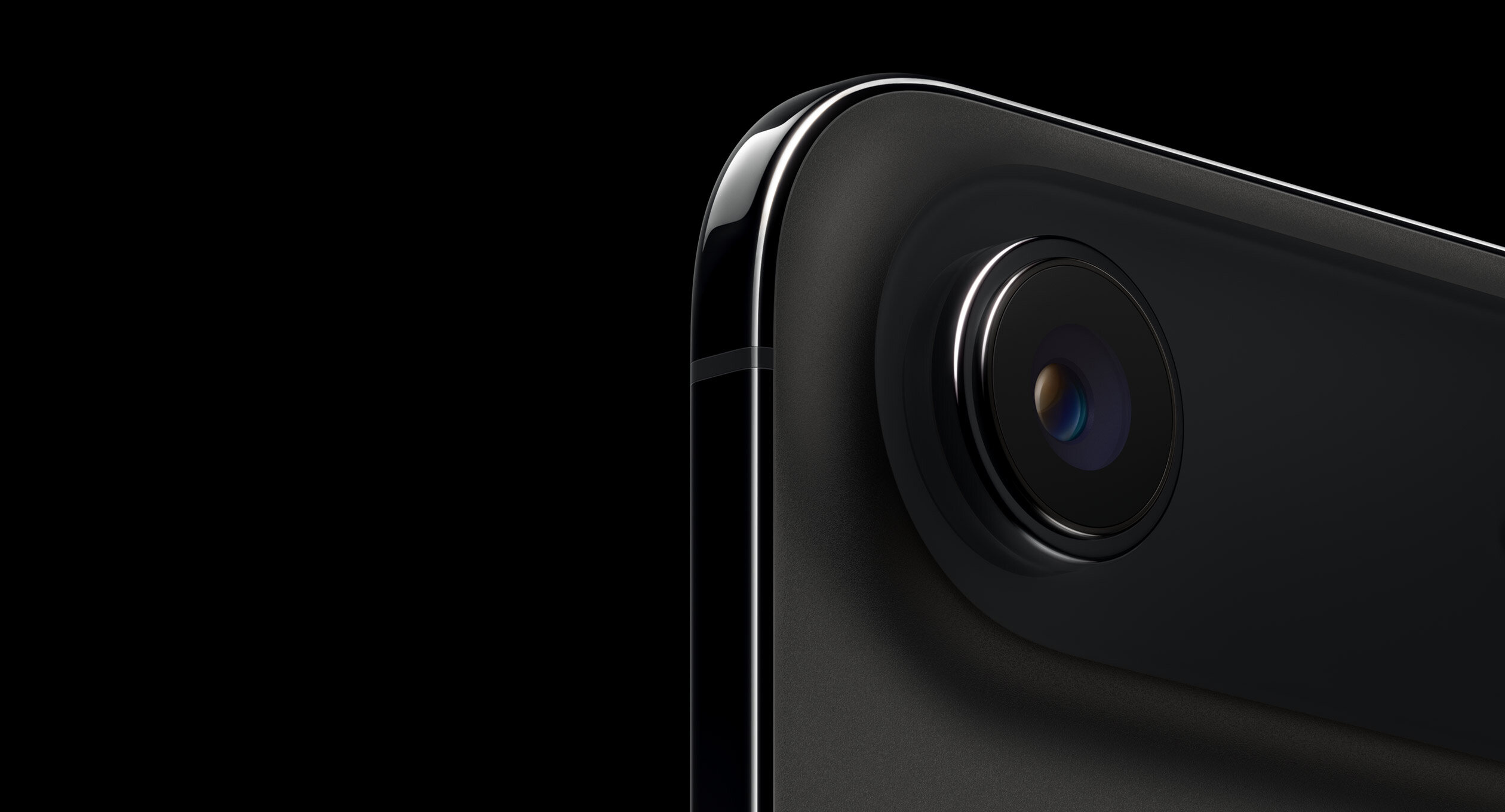
On none of those three measures does iPhone Air win. The single 48MP Fusion camera is excellent for everyday photography, but there is no dedicated ultrawide and no real telephoto, only a 2x in-sensor crop. The 27-hour video figure trails the iPhone 17 Pro’s 33 hours and the Pro Max’s 37 hours, and Apple’s own answer to that gap is the optional MagSafe Battery, which gets you to 40 hours but adds bulk, cost and another thing to charge. And the eSIM-only design is fine for a domestic UK SIM plan, but UK travellers who still rely on the odd PAYG SIM abroad lose flexibility a Pro keeps.
iPhone Air UK pricing makes the case against itself
The hardest argument against iPhone Air is the rest of the iPhone 17 line. Apple UK sells the standard iPhone 17 at £799 for 256GB and £999 for 512GB. The Pro sits at £1,099 for 256GB. Drop into our iPhone 17 Pro Max versus iPhone Air comparison and the maths almost writes itself. iPhone Air at £999 is the same money as an iPhone 17 with double the storage, and a hundred pounds less than an iPhone 17 Pro that gives you three cameras, a vapour chamber and meaningfully more battery.
If you genuinely want the thinness and lightness, the spend is defensible. If you are buying because Air sits in the middle of Apple’s range and feels like the safe choice, you are paying a premium for thinness and losing camera flexibility and battery you would actually use. That is not a value calculation a power user should make, and it is why our 2026 ranking of UK iPhone deals on EE puts iPhone 17 and iPhone 17 Pro ahead of Air on monthly contracts, even when carriers discount the Air more aggressively.
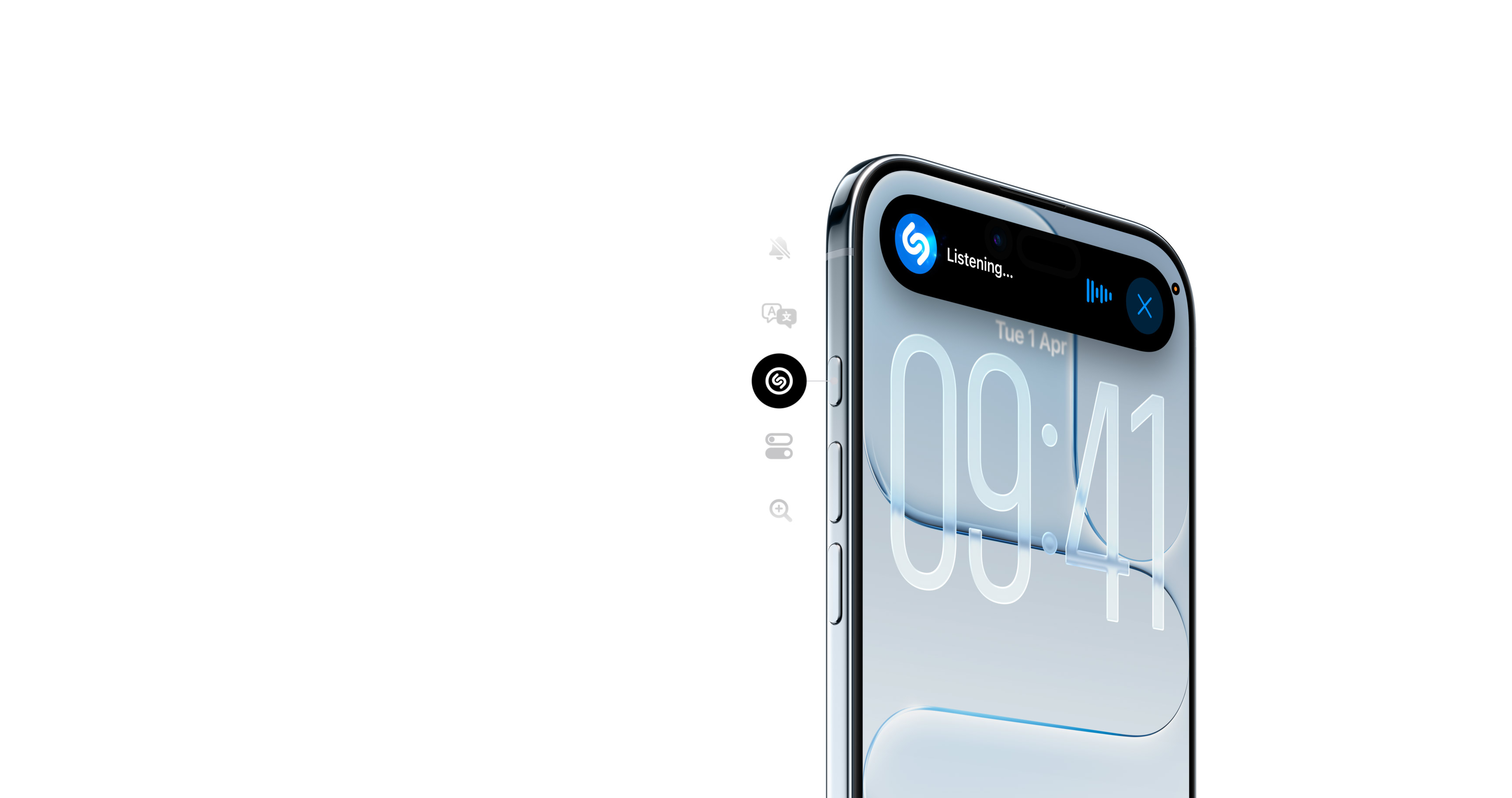
UK power users care about the camera, battery and SIM trade-offs
Start with the camera. UK power users today shoot a lot more zoom than the iPhone Air can deliver: kids at sports day, a band at a small venue, a holiday landscape that needs a 5x or 10x to be worth keeping. iPhone Air gives you one 48MP main sensor and a digital 2x. iPhone 17 Pro and Pro Max give you a 48MP main, a 48MP ultrawide, a 48MP telephoto and an 8x optical reach. If the camera is a core reason you spend flagship money, the Air is not a flagship.
Battery is the second axis where this stings. Twenty-seven hours of video sounds healthy until you remember the iPhone Air is also feeding a 6.5-inch ProMotion display and a 5G modem on a chassis with very little internal space. Apple’s published path back to all-day comfort is the MagSafe Battery accessory, which adds thickness, weight, money and a separate charging routine. That is a reasonable answer for a hotel-room top-up, and a worse one for a daily UK commute and a full evening out without a plug in sight.
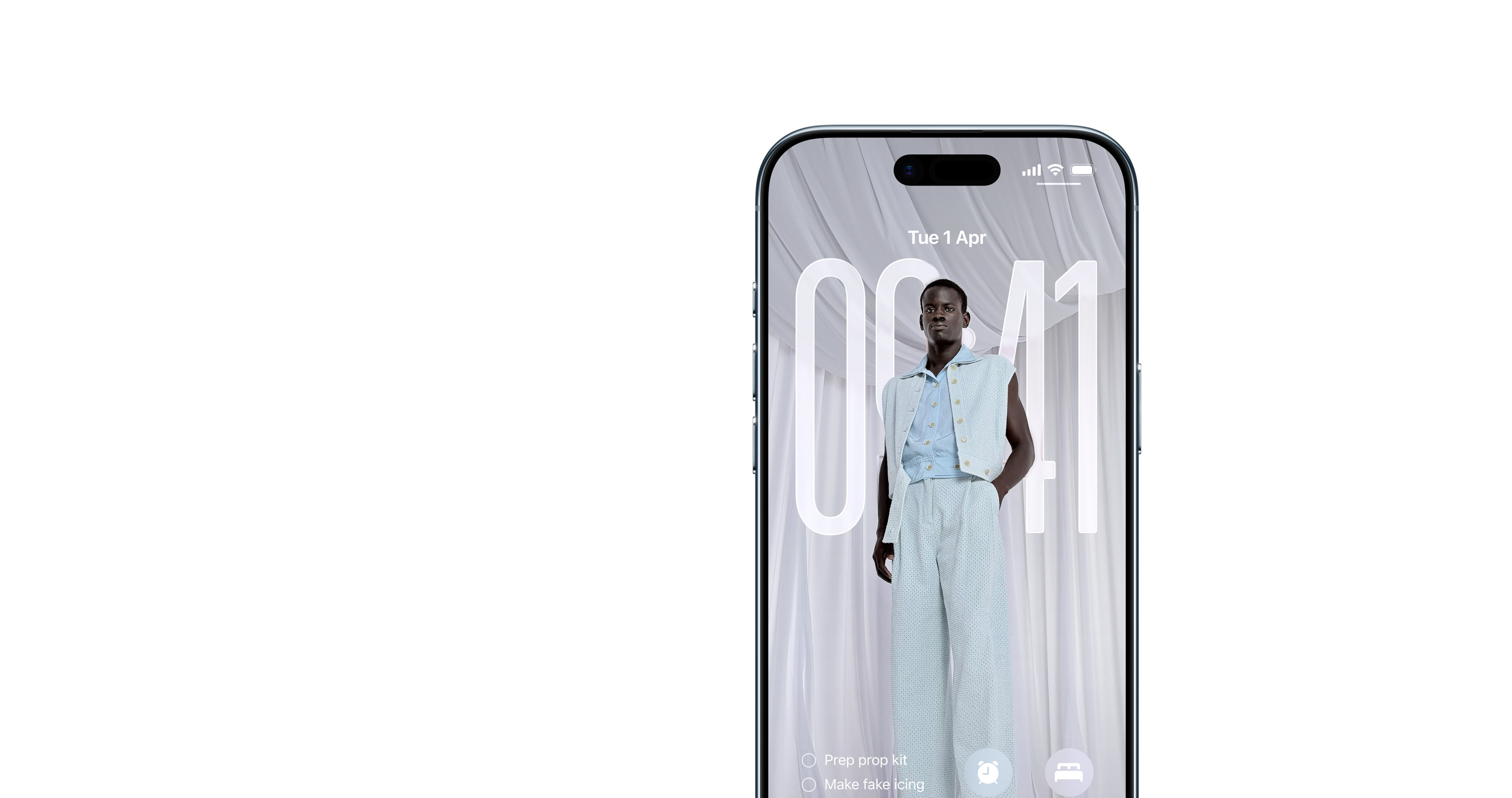
Third, eSIM only. iPhone Air does not have a physical SIM tray in any market, the UK included. For most UK buyers on a long-running EE, VodafoneThree or O2 contract that is fine, and eSIM activation is straightforward at all three. For anyone who travels with a local PAYG SIM, hot-swaps to a backup MVNO when their main carrier has a wobble, or hands a spare SIM to a child’s older handset, the Pro keeps optionality the Air removes. That is a small day-to-day inconvenience for some readers and a non-starter for others.
iPhone Air UK power users: where Air does still earn its £999
| What matters | iPhone Air (£999) | MTW read |
|---|---|---|
| Thinness and weight | 5.6mm, 165g, titanium | Genuinely best in class. |
| Rear cameras | Single 48MP, 2x crop | One step behind a £1,099 Pro. |
| Battery (video) | 27 hours, 40 with MagSafe Battery | Needs the accessory. |
| SIM | eSIM only | Fine domestically; awkward abroad. |
| Chipset | A19 Pro | Matches the Pro for speed and AI. |
None of this makes iPhone Air a bad phone. For a reader who values one-handed feel above all else, or who has waited for an iPhone that disappears into a jacket pocket, the Air is the most desirable iPhone Apple has built. The titanium frame is gorgeous, the A19 Pro matches the iPhone 17 Pro for speed, and the Action Button earns its place. If you are an Apple Watch and AirPods Pro household and the phone in your bag is mostly for messages, maps, the odd camera burst and a podcast, iPhone Air at £999 is plenty of phone and a joy to carry.
The trouble is that the readers most likely to spend £999 to £1,399 on an iPhone are not that buyer. They are the ones who would have bought the Plus or Pro in previous years, who shoot zoom they want to keep, who need the battery to outlast a long workday, and who do not want an accessory bolted on. For them, the £1,099 iPhone 17 Pro is the better buy, and the £799 iPhone 17 is the better value when budget bites. The Air sits between two phones that beat it at the jobs power users do.
What UK power users should buy instead
Our recommendation has not moved. If you are spending £999 or more, take the £1,099 iPhone 17 Pro and pocket the camera, battery and physical-SIM upside for an extra £100. If your budget caps at £999, take the £999 iPhone 17 with 512GB rather than the £999 iPhone Air at 256GB; storage is more useful than millimetres. Anyone shopping Android should read our Pixel 10 Pro versus Galaxy S26 Ultra ranking, and watch-pairers should check our Apple Watch Series 11 versus Galaxy Watch 8 UK verdict. The Air is not the problem; spending Pro money on a non-Pro phone is.
On finance the picture is similar. Apple’s UK store offers 0% APR over up to 30 months, EE and VodafoneThree bundle iPhone Air on contract, and FCA-regulated finance through Klarna and V12 is widely available at Currys and John Lewis. None of those routes makes Air cheaper than a Pro at the same monthly figure; they spread the same gap over two years. If you want to save money on a UK iPhone in 2026, the lever is to step down to iPhone 17, not sideways to Air.
MTW verdict
iPhone Air is the iPhone you want and the iPhone 17 Pro is the iPhone you should buy. For UK power users at £999 and above, the £1,099 Pro keeps three cameras, longer battery and a physical SIM for an extra hundred pounds. Skip the Air unless thinness is the spec that matters most.
MMTW Editorial
Buyer action
Where to buy or check next
Use this as the final check before ordering a phone, changing network or trusting a headline monthly price.









Reader discussion
Leave a comment
Comments are moderated. Keep it useful, accurate, and on topic.