

News · 14 Jun 2026 · Claire Bennett
The case for EE best UK network status in 2026 has a strong evidence base behind it, because EE was named the UK’s number one network in two landmark independent studies, RootMetrics and umlaut, in official results revealed by EE’s newsroom on 4 February 2026. That is the headline most buyers will see in the shops, but a clear-eyed view has to weigh it against price. EE is comfortably the most expensive of the big UK networks, and for a lot of people the gap in real-world performance no longer justifies the gap in monthly cost. This piece looks at what EE has actually announced this year, checks each claim against the source, and then takes a position on who EE genuinely suits and who should look at a cheaper rival or MVNO instead.
- EE named the UK’s number one network in two studies, RootMetrics and umlaut, with umlaut scoring it 920 out of 1,000 (EE newsroom, 4 February 2026).
- EE’s 5G Plus now reaches more than 50 million people across over 610 UK towns and cities, beating its own spring target of 41 million (EE newsroom, 28 April 2026).
- EE launched a refurbished smartphone plan range from £31 a month on Flex Pay, covering Apple and Samsung handsets with a 53-point check (EE newsroom, 22 January 2026).
- EE opened its first Experience Store of 2026 at Lakeside in Essex on 29 January 2026, part of a £3 million retail investment (EE newsroom, 29 January 2026).
- Ofcom found UK outdoor 5G coverage from at least one operator now reaches 94 to 97 per cent, with EE the broadest single operator (Ofcom Connected Nations 2025, 19 November 2025).
EE best UK network claims, checked against the source
Start with the award itself, because the wording matters. EE’s newsroom headline says it was named the UK’s number one network in two landmark studies, not three, and the two studies are RootMetrics and umlaut. RootMetrics, which runs the long-running RootScore benchmark, placed EE first in the UK for the twenty-fifth time running, citing the fastest 5G download speeds in its testing at 236.7 Mbps. Umlaut, which scores networks out of 1,000 points across voice and data, gave EE 920 points, the highest score it has recorded for a UK operator and EE’s eleventh win in a row. Those are genuine, independent results from organisations that test by driving and walking real routes, not laboratory figures supplied by the network. If you only care about which network is statistically strongest across the whole country, EE has the receipts.

Two caveats keep this honest. First, a national average can hide weak spots: a network can win the country and still be poor on your specific commute or in your village, which is why coverage checkers matter more than any award badge. Second, awards measure performance, not value. EE charges a premium that the testing does not factor in, so a first-place finish does not automatically make EE the right buy. We have written before about the way headline mobile pricing in the UK can mislead, including in our guide to UK mid-contract price rises and your Ofcom rights, and the same scepticism applies to award marketing. The award is real; the question is what you pay for it.
How EE’s connectivity investment changes the picture
EE’s other big 2026 peg is what it calls a big boost to UK connectivity. On 28 April 2026 EE said its most powerful tier, 5G Plus, now reaches more than 50 million people across over 610 towns and cities, ahead of an earlier spring target of 41 million. The technical detail behind that is more interesting than the headline. EE became the first UK network to switch on five carrier aggregation on its 5G Plus sites, bundling several spectrum bands together for roughly 10 per cent faster downloads, and it deployed what it calls Advanced RAN Coordination, a world first that lets neighbouring masts share capacity in real time and lifts performance by around 20 per cent without building new sites. EE also reallocated 2.1GHz spectrum across more than 4,000 sites to improve everyday capacity.
This is where EE’s parent matters. BT Group has committed more than £40 billion to UK infrastructure across the decade to 2030, and EE is targeting 99 per cent population coverage for 5G Plus by March 2030. That scale of spending is the real reason EE keeps winning benchmarks: it has more sites, more spectrum and a longer upgrade runway than its rivals. If you live somewhere that has been a mobile not-spot, this investment is the part of EE’s story that should interest you most, far more than any marketing about awards. For anyone weighing up whether to move networks to chase coverage, our walkthrough of how to switch mobile network in the UK with a PAC code explains how to leave without losing your number.

The catch is that rivals are not standing still, and 5G Plus is not everywhere. Ofcom’s Connected Nations 2025 report, published on 19 November 2025, found UK outdoor 5G coverage from at least one operator now sits between 94 and 97 per cent, but per operator the geographic figures drop sharply, with EE on roughly 42 to 49 per cent, O2 on 29 to 40 per cent, Three on 10 to 23 per cent and Vodafone on 9 to 17 per cent. EE is clearly the broadest single network, yet the gap to a good day on a rival in a city centre is much smaller than the gap in price. The investment story is genuine and it is EE’s strongest argument; it just does not mean every customer is paying for performance they will actually notice.
EE’s refurbished smartphone plans and what they cost
One of EE’s more buyer-friendly moves this year is its refurbished smartphone plan range, announced on 22 January 2026. The idea is to pair a pre-owned handset with an airtime plan, which EE pitches at people it calls tech thrifters who want a cheaper, more sustainable upgrade. The plans start from £31 a month on Flex Pay agreements of up to 36 months and cover Apple and Samsung devices, with the Samsung Galaxy S24 used as EE’s headline example. Every phone goes through a 53-point inspection, ships with a genuine cable and recycled packaging, and carries an extended warranty for the length of the plan, which beats a typical second-hand purchase. Students get 40 per cent off the airtime, which EE says can save close to £300 over a plan term.

It is a sensible product, but do the maths before you sign. A refurbished plan bundles the handset cost and the airtime into one monthly figure on a long contract, which is usually more expensive overall than buying a refurbished phone outright and pairing it with a cheap SIM-only deal. If your priority is the lowest possible cost, the refurbished-handset-plus-MVNO route almost always wins, and our guide to whether you should skip the upgrade and buy last year’s flagship walks through the savings. EE’s plan makes most sense if you specifically want a warranty and a single bill from a network you trust, and you are happy to pay a little more for that reassurance.
New Experience Stores and the wider EE ecosystem
EE opened its first Experience Store of 2026 at the Lakeside centre in West Thurrock, Essex, on 29 January 2026, with former England Lioness Rachel Yankey OBE at the launch. These are not ordinary phone shops. The Lakeside store has a gaming zone for trying consoles, a Basecamp community area with free coffee, a Tech Live hands-on space and a Tech Home area showing connected-home kit. EE’s retail director Asif Aziz framed it as creating inviting spaces where customers can explore and connect through technology, and the store is part of a roughly £3 million retail investment that followed 20 Experience Store openings in the preceding year. It is a clear signal that EE wants to sell a whole ecosystem, not just a SIM.
That ecosystem is genuinely broad. EE TV has become the UK’s first pay-TV service to add conversational, AI-powered search, and EE also runs a Scam Guard service with what it calls AI Triple Lock protection to flag fraud, plus newer add-ons such as multi-device tech cover. For a household that wants broadband, TV and mobile from one provider with one app and one bill, EE’s spread is hard to match and there is real convenience in it. The flip side is lock-in: the more EE services you take, the harder and more expensive it becomes to leave when a cheaper deal appears elsewhere. Bundles reward loyalty, but they also blunt your ability to shop around each year, which is the single most effective way UK households cut their telecoms costs.

How EE compares with VodafoneThree, Virgin Media O2 and the MVNOs
EE does not operate in a vacuum, and 2026 has reshaped its competition. The merger that created VodafoneThree built a combined network with the largest spectrum holding in the UK and a multi-year plan to expand 5G, which over time is the most credible long-term threat to EE’s coverage lead. Virgin Media O2 remains a strong all-rounder with wide reach and the convenience of broadband bundles of its own. None of the three has matched EE’s run of independent benchmark wins, but the practical gap for a typical user in a well-covered town is narrow. In a city, all four big networks will stream, video-call and game without drama; the differences show up at the edges, in rural areas, at busy events and on the fastest 5G tiers.
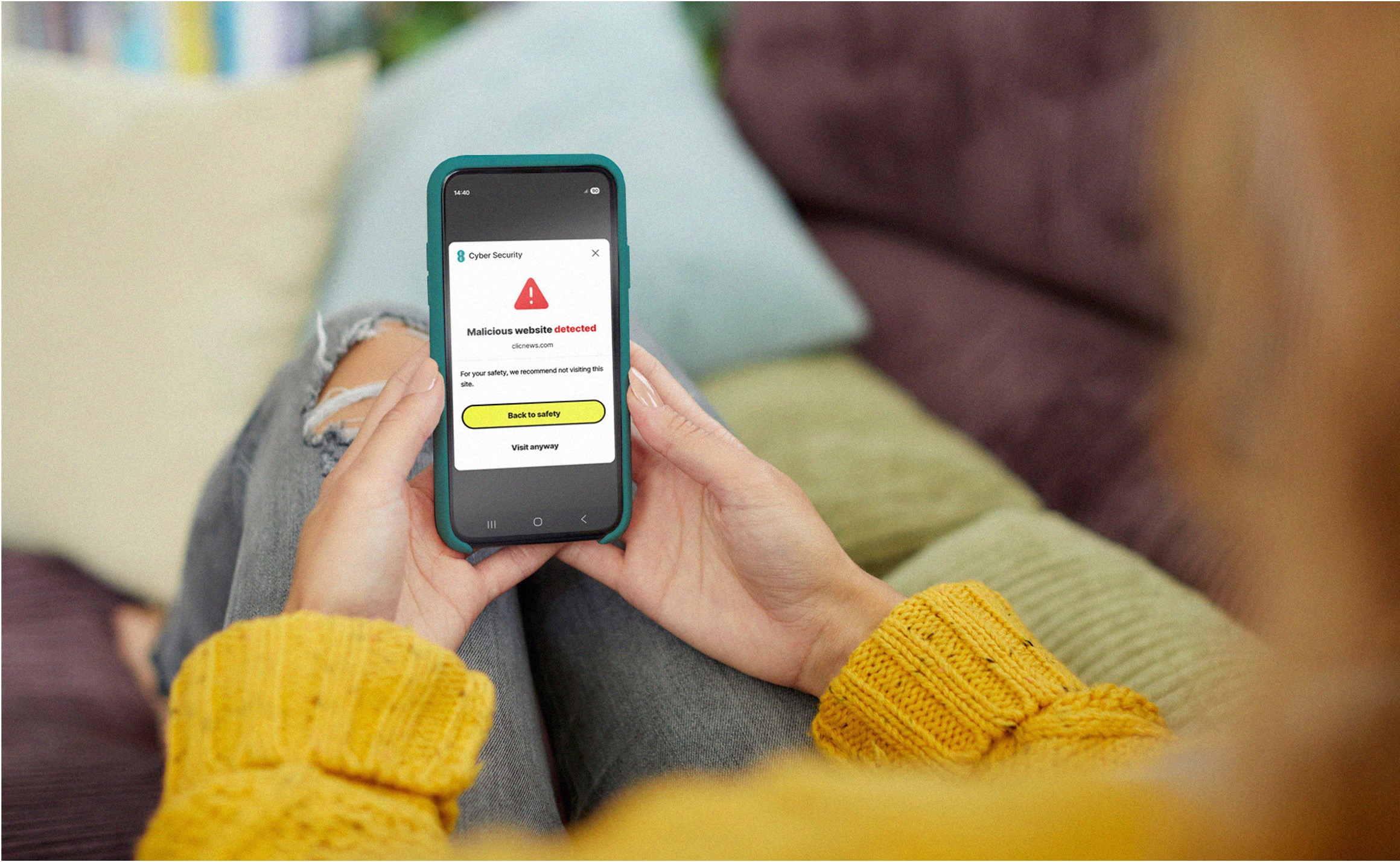
The bigger value story sits with the MVNOs, the smaller brands that rent capacity from the big four. Smarty and iD Mobile both ride on Three’s network, Voxi runs on Vodafone, and giffgaff and Tesco Mobile use O2. Comparison sites such as MoneySavingExpert and Uswitch routinely list unlimited-data SIMs from these brands from around £10 to £16 a month in mid-2026, far below EE’s own SIM-only pricing. Crucially, an MVNO that runs on a given network gets the same masts, so a Voxi customer is using Vodafone’s coverage and a giffgaff customer is on O2. You are not buying worse coverage, you are buying fewer perks and slightly more basic customer service in exchange for a much smaller bill. For phone buyers weighing handset value at the same time, our look at the Honor 600 on sale with a 200MP camera at £549 and the long-running iPhone 17 buy-now-or-wait question are useful companions, because the SIM you choose and the handset you choose are separate decisions and you save most by un-bundling them.

What to watch next if you are weighing up EE
Before you commit, run three quick checks. Put your home and work postcodes into EE’s coverage checker and into one rival’s, so you are comparing the actual masts you will use rather than a national average. Then look at the total cost of ownership over the full contract, not the monthly figure, because a low headline price with a steep annual rise can cost more than a flat plan over two years. Finally, read the mid-contract price-rise terms: UK networks now have to show any in-contract increase as a clear pounds-and-pence figure, and knowing your exit rights matters if that rise feels unfair. If you do switch, keep your number with a PAC code and time the move for when your minimum term ends to avoid an early-exit fee.
It is also worth watching how the market moves over the next year. VodafoneThree’s network integration will gradually change the coverage maps, more MVNOs are adding 5G and perks, and EE itself keeps expanding 5G Plus, so the best-value answer in twelve months may not be the one today. For the wider context on how UK rules are shifting in consumers’ favour, our explainer on mid-contract price rises and your Ofcom rights is the piece to bookmark, and if a cheaper rival tempts you, the same PAC-code switching guide covers the practical steps end to end.
Our verdict on EE in 2026
On the evidence, EE is the best-performing UK network in 2026, and the RootMetrics and umlaut results are real, independent and consistent with EE’s heavy investment behind them. If you live or travel where coverage is patchy, if you genuinely use the fastest 5G Plus tier, if you want one provider for mobile, broadband and TV with strong support, or if peace of mind is worth a premium to you, EE earns its place and we would happily recommend it. It is the network to beat, and on raw capability nothing currently beats it.
For most people, though, best does not mean best buy. If you live in a well-covered town or city and you mainly stream, scroll and video-call, you will not notice the difference between EE and a good MVNO that costs less than half as much, and that saving is real money every month. Our position is straightforward: choose EE if coverage, top-tier 5G or a full bundle genuinely matter to you, and choose a Three-, Vodafone- or O2-based MVNO such as Smarty, iD Mobile, Voxi, giffgaff or Tesco Mobile if your priority is keeping the bill down. EE is the UK’s best network in 2026. It is just not the right network for everyone, and far too many people pay top whack for performance they will never use.
Buyer action
Where to buy or check next
Use this as the final check before ordering a phone, changing network or trusting a headline monthly price.

















Reader discussion
Leave a comment
Comments are moderated. Keep it useful, accurate, and on topic.