
News · 17 Jun 2026 · Priya Shah
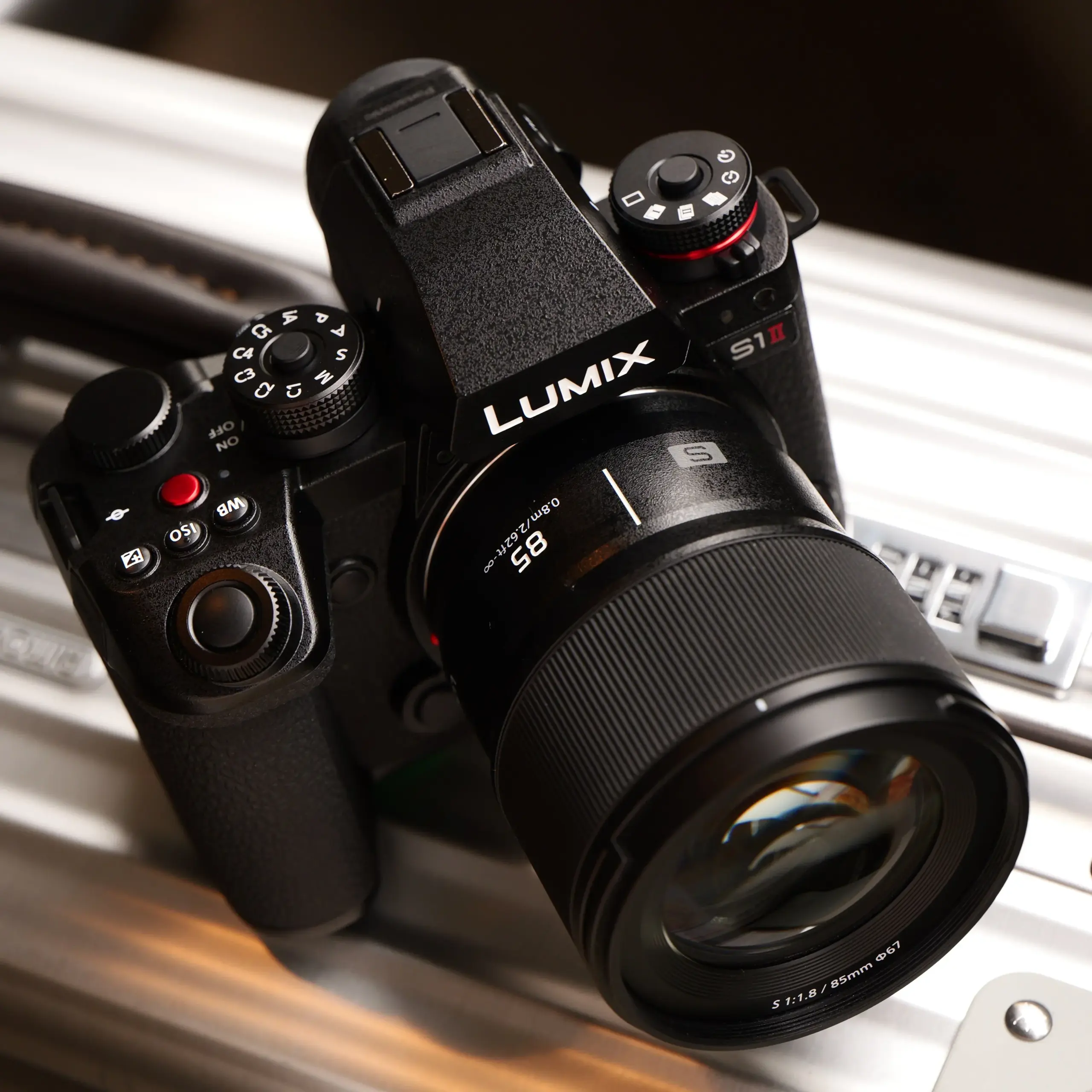
When Panasonic announced the Lumix S1 II in May 2025, I’ll admit my first reaction was a small sigh — another full-frame hybrid promising to be everything to everyone. But the more time I’ve spent with the spec sheet and the early hands-on coverage, the more I think this one earns its swagger. At £2,899 body-only on the UK Panasonic store, it is not a casual purchase, and that price is exactly why I want to be clear-eyed about who it’s actually for.
What Panasonic has actually built here (Lumix S1 II)
The headline is a 24.1-megapixel partially stacked CMOS sensor — and that word “partially” is doing a lot of work. A fully stacked sensor of the kind you find in the very top tier costs a fortune; a conventional one is slower to read out. Panasonic has split the difference, and the payoff is in the readout speed. You get up to 70fps burst shooting with the electronic shutter, which is a genuinely sporty figure for a camera that is, at heart, pitched at filmmakers. I’ve handled plenty of “video-first” bodies that treat stills as an afterthought, so seeing 70fps on the table changes the conversation.
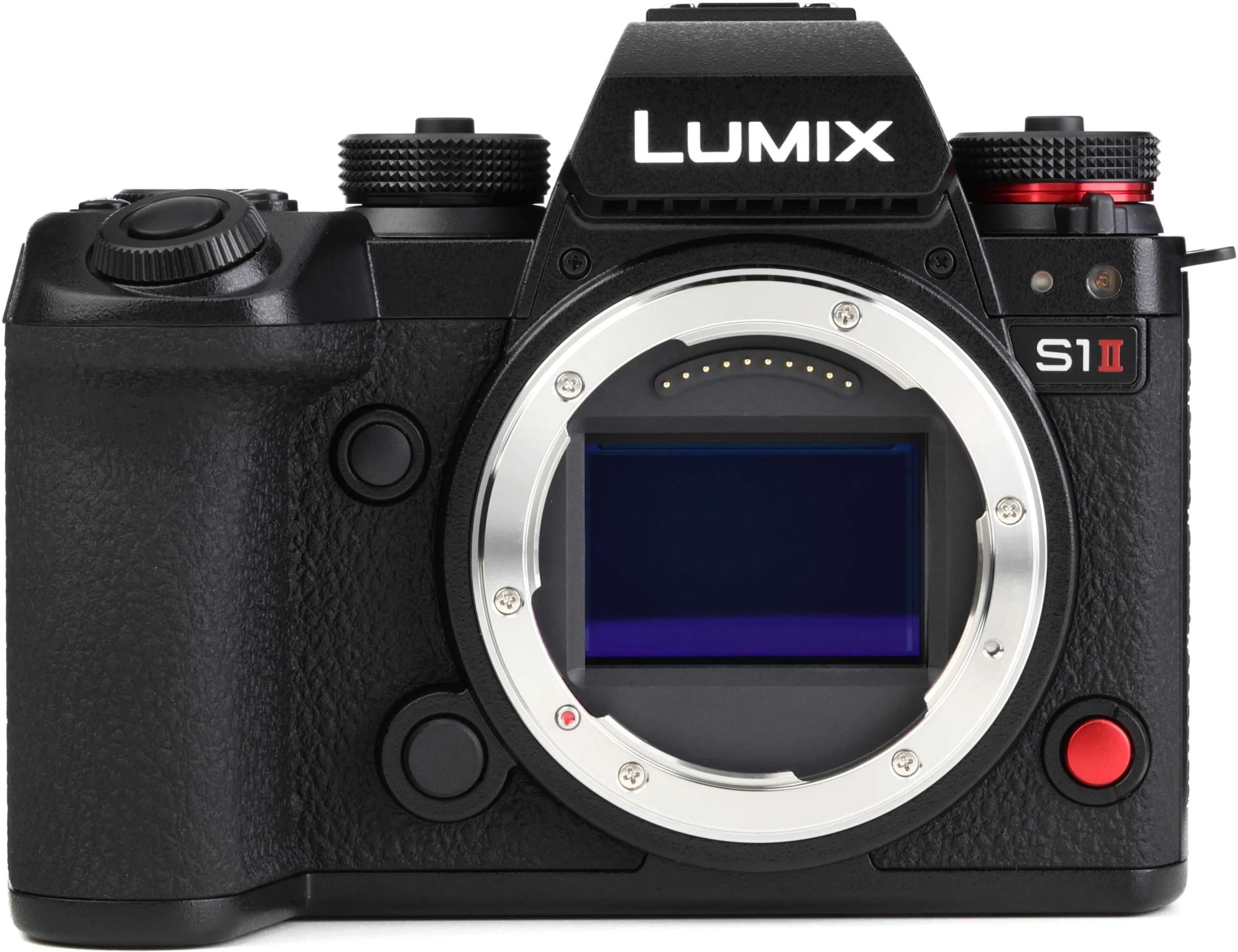
The 24MP count itself won’t thrill landscape photographers chasing enormous prints — if your work lives and dies on resolution, this isn’t the body that wins that argument. But for the hybrid shooter who needs to grab a usable frame between takes, 24MP at that speed is a sensible, deliberate trade rather than a compromise.
The 6K open-gate trick filmmakers actually want
Here’s where the S1 II stops being merely interesting and starts being compelling. It records 6K/30p in open gate — meaning it uses the full 3:2 height of the sensor rather than cropping to a widescreen slice. If you’ve never had to wrangle vertical deliverables for Reels, TikTok and a landscape edit all from one shoot, the appeal might not land immediately. But for anyone producing across multiple platforms, open gate is the difference between one capture and three. You shoot once, reframe in post, and walk away with horizontal, vertical and square crops that all hold up.
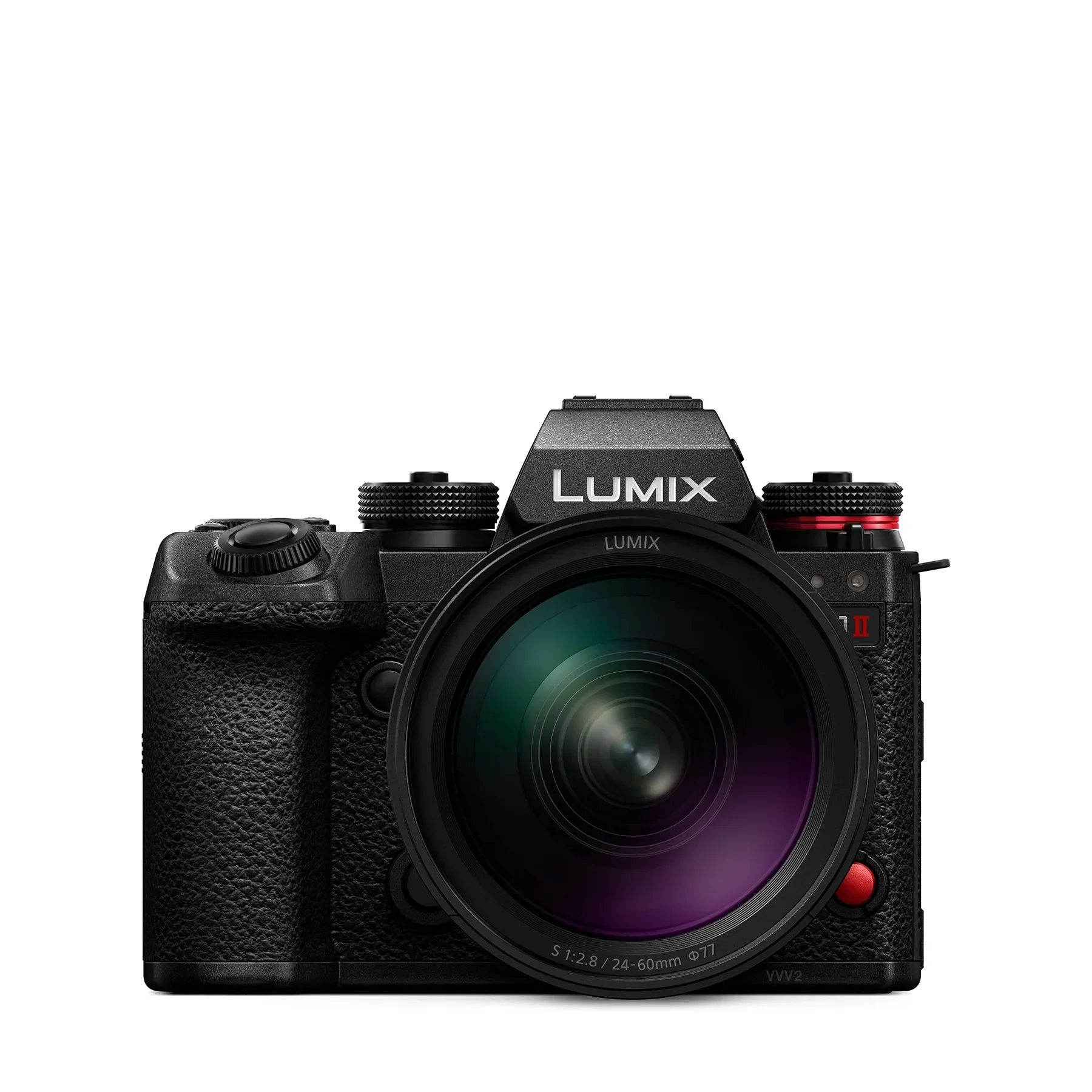
Below that sits oversampled 5.1K/60p open gate, pulled down from the 6K read, plus 4K/120p for slow motion — though that mode carries a 1.24x crop, so you’ll want a slightly wider lens than instinct suggests. Photography News, in its in-depth review, also points to noticeably reduced rolling shutter and a 15-stop V-Log dynamic range, which is the kind of latitude that lets you protect highlights and still claw back shadow detail in the grade.
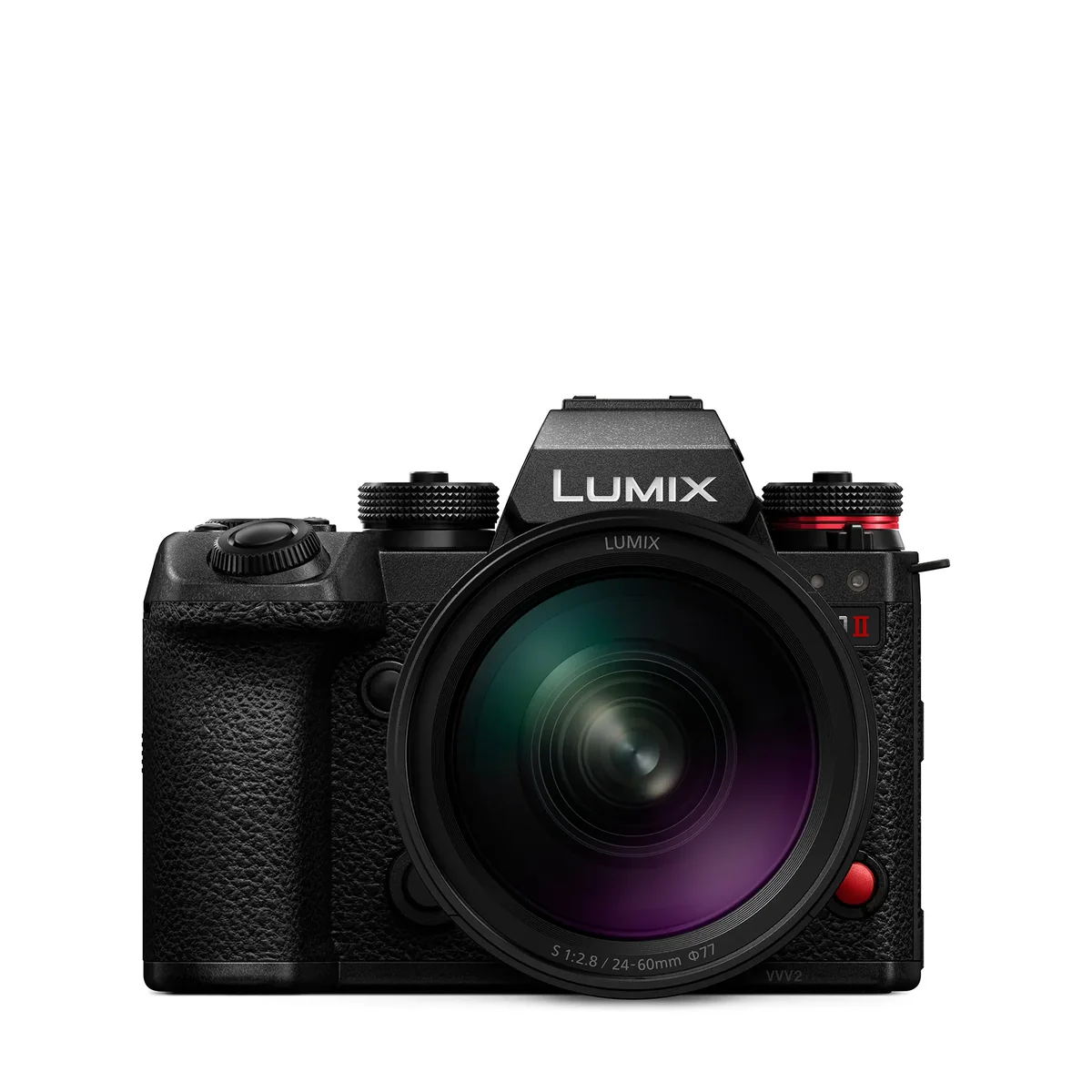
Internal ProRes RAW is the part that surprised me
The S1 II will record ProRes RAW HQ internally, and takes external SSD recording for the heavier formats. I keep coming back to this because internal RAW used to be the preserve of cameras costing several thousand pounds more. PetaPixel, in its launch review, frames the S1 II as pricey, powerful and unapologetically video-centric — and that’s the honest summary. You are paying for a video toolkit, and the camera does not pretend otherwise.
The practical UK consideration is workflow cost. ProRes RAW HQ eats storage, and fast SSDs and CFexpress cards are not cheap. Budget for media and a capable edit machine alongside the body, because this camera will happily generate files that bring a tired laptop to its knees.

The L-mount question, and the competition
The S1 II sits on the L-mount, shared across Panasonic, Sigma and Leica. That alliance has matured into a properly stocked lens ecosystem, and it’s one of the quieter reasons I’d trust this system long-term — you’re not buying into a dead end. Cameralabs, in its review, leans on the anamorphic support and the sheer breadth of video features as the genuine differentiators here.
That said, the elephant in the room is price. The Canon EOS R6 Mark II undercuts it and remains a phenomenal all-rounder, and if you mostly shoot stills with occasional video, you’d struggle to justify the premium. The S1 II’s case rests almost entirely on its video ceiling — open gate, internal RAW, 120p, that dynamic range. If those words make you lean forward, the maths works. If they don’t, you’re paying for headroom you’ll never touch.
Who I’d hand my own card over for
I’d buy the S1 II if I were a working hybrid creator — the kind of person delivering branded content across vertical and horizontal at once, or a documentary shooter who needs RAW without a cage full of external recorders. For that person, £2,899 is fair, even keen, for a toolkit you’d otherwise spend far more to assemble. What would change my mind? If you’re primarily a stills photographer, or your output never leaves a single aspect ratio, the lighter, cheaper alternatives will serve you better and leave money over for glass. This is a specialist’s camera wearing a generalist’s badge, and I mean that as a compliment — just make sure you’re the specialist it was built for before you reach for your wallet.
Buyer action
Where to buy or check next
Use this as the final check before ordering a phone, changing network or trusting a headline monthly price.

















Reader discussion
Leave a comment
Comments are moderated. Keep it useful, accurate, and on topic.