
UPDATED · News · 15 Jun 2026 · Daniel Reid
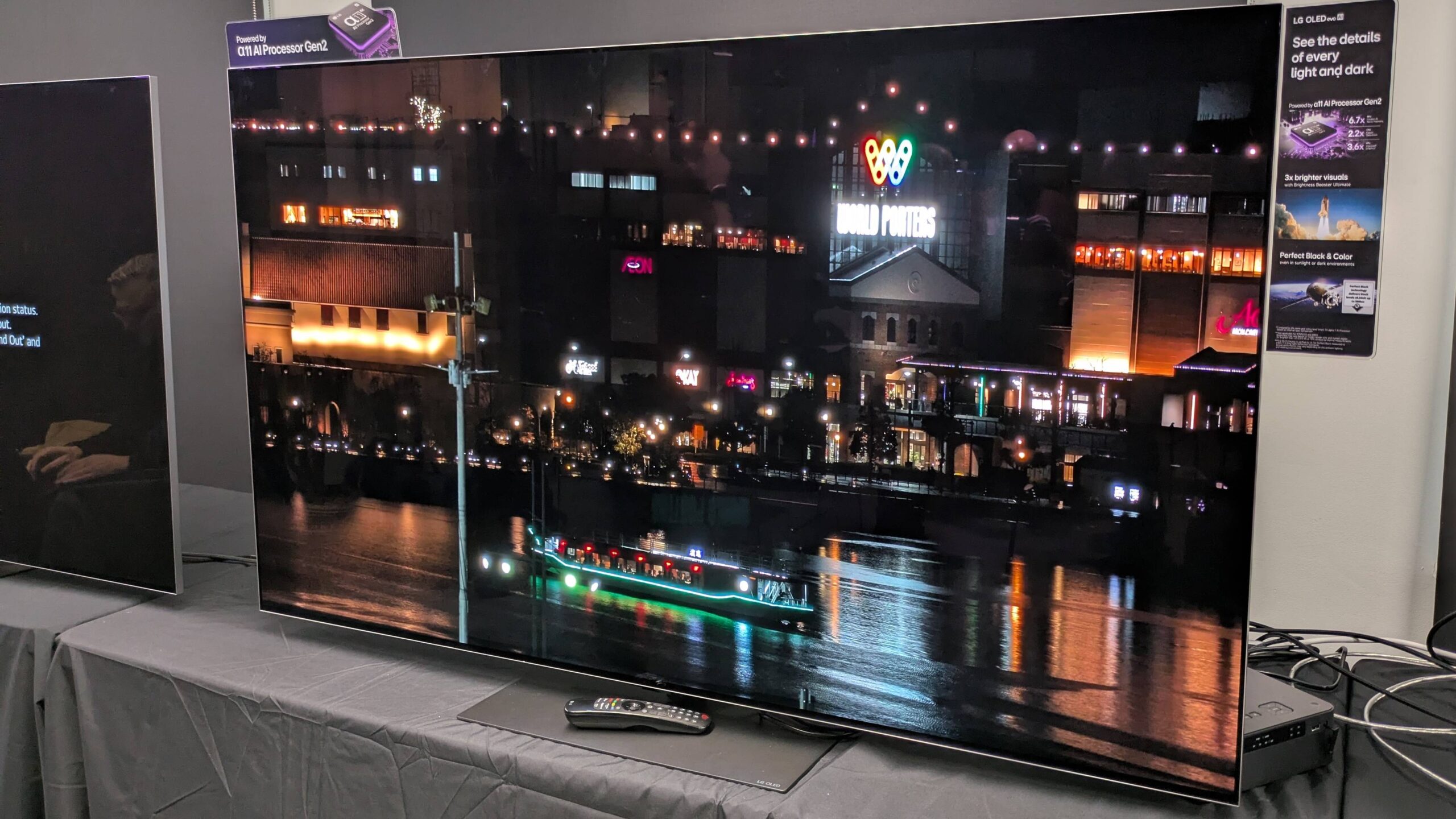
As of today, 16 June 2026, Peter Tyson is listing the 65-inch LG G6 OLED evo at £2,999 — and that single figure is the one I keep coming back to. LG’s flagship has landed in the UK with its loudest hardware change in years, a four-stack OLED panel, and the question I want to answer isn’t whether it’s brilliant. It almost certainly is. It’s whether the 65-inch is the size and the price that makes sense, or the one that quietly talks you into spending more than you meant to.
The price, laid out without the spin (LG G6 OLED)
Here is the full UK G6 ladder so you can see where the 65-inch sits: 48-inch at £1,699, 55-inch at £2,199, the 65-inch at £2,999, 77-inch at £3,999, 83-inch at £5,799, and the frankly silly 97-inch at £15,999. The jump from 55 to 65 is £800; the jump from 65 to 77 is a flat £1,000. So the 65-inch isn’t the cheap way in, but it’s the last rung before the price curve goes vertical.
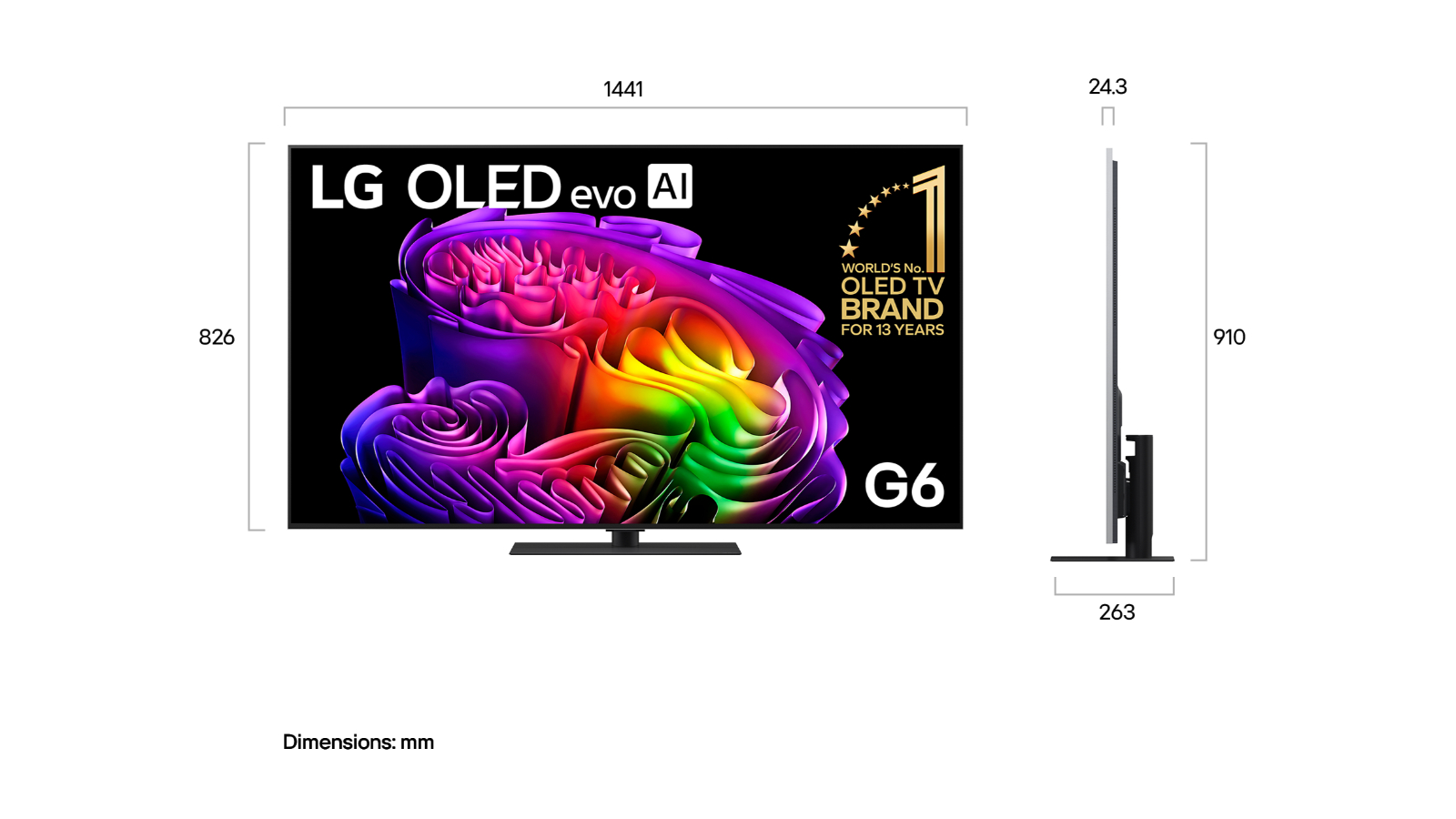
I’ll flag one thing early, because I’ve seen it repeated as fact: there’s no reliable evidence the 65-inch came down from a higher launch price. The clean, current number is £2,999, and I’d treat any “was £3,299” framing with suspicion until LG or a retailer actually shows it on a receipt.
What the four-stack panel is actually doing
The headline change is the panel itself. The G6 uses a Primary RGB Tandem OLED — a four-stack structure — paired with what LG calls Brightness Booster Pro. In plain terms: more layers emitting light, and more of LG’s processing thrown at squeezing peak brightness and colour volume out of them. The LG UK listing leans hard on this, and it’s the genuine generational story here rather than marketing gloss. If you’ve ever felt OLED give up a little in a bright living room, this is the architecture aimed squarely at that complaint.
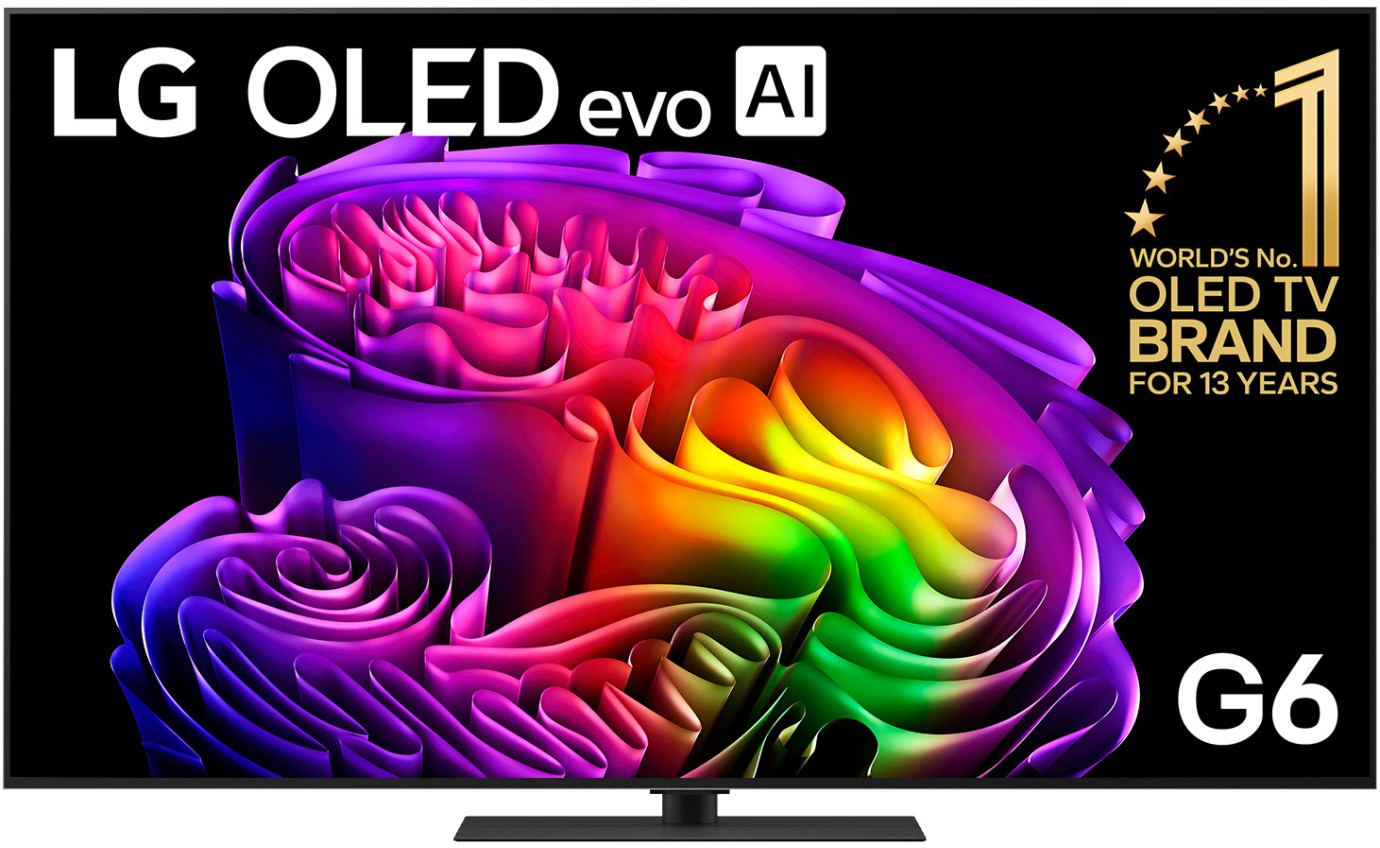
Driving it is the α11 AI Gen 3 processor, a 6nm chip LG says carries an NPU around 5.6x faster than before. I’m always wary of “AI” upscaling claims, but a meaningfully quicker processor matters for the unglamorous stuff — motion handling, tone mapping, keeping picture modes honest scene to scene.
The bit that would stop me: the UK premium
Now the uncomfortable comparison. The US 65-inch G6 has been going for $3,399.99 on pre-order, which TFTCentral pegs at roughly £2,544 at the time of reporting. Mainland Europe sits at €3,400 for the same size. So British buyers are paying a clear premium over the dollar-converted figure, and that’s before you remember a wall mount is extra on a “Gallery” set designed to sit flush against the wall.
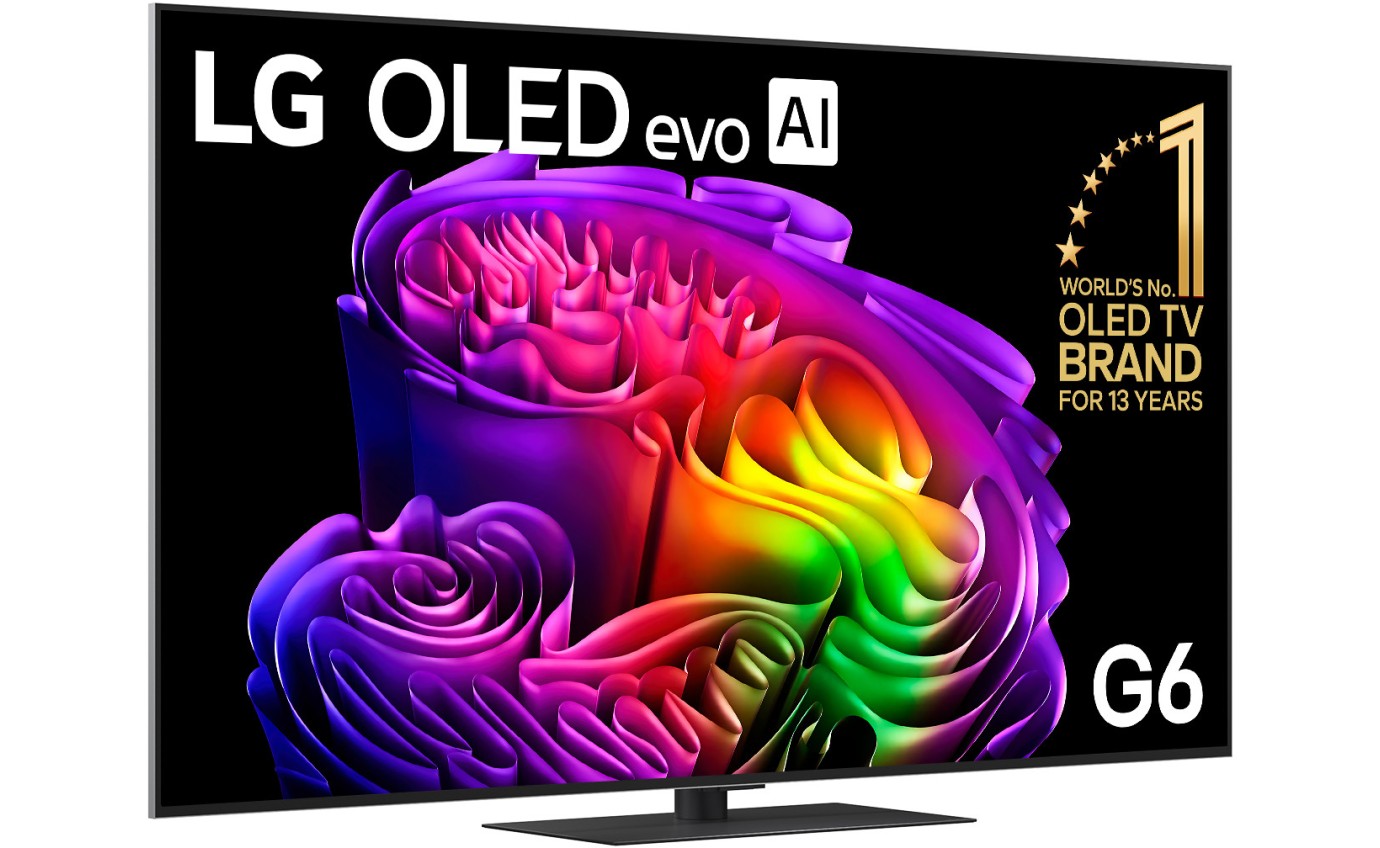
I don’t say that to be cynical — UK pricing always carries VAT, warranty and distribution costs the US sticker doesn’t. But £2,999 against a ~£2,544 equivalent is the kind of gap that should make you shop the actual street price rather than accept MSRP as gospel.
Gaming and the long-haul stuff
For anyone treating this as a gaming display, the G6 covers the bases I’d want: 165Hz VRR with both G-SYNC and FreeSync Premium support, so a PC or a current console gets the full benefit without you fiddling. That’s not a token spec on a £3,000 set — it’s the reason I’d happily run this as a do-everything panel rather than buying a separate monitor.
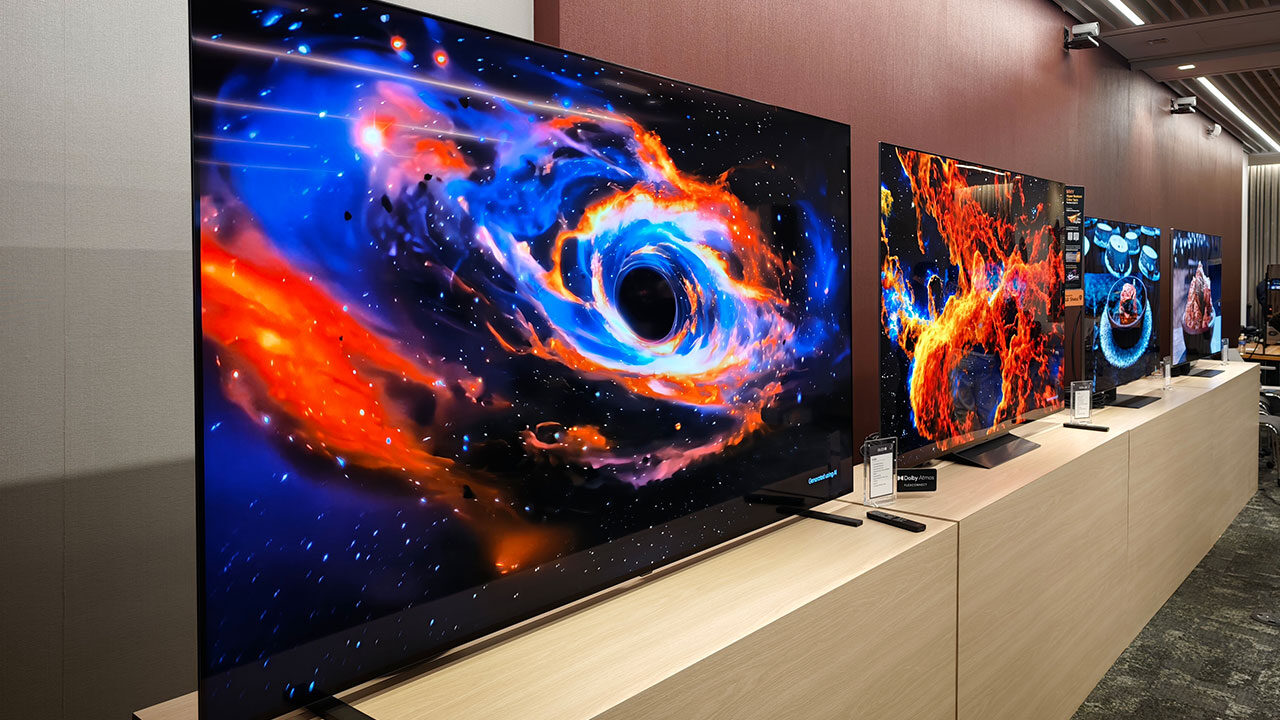
The other quiet reassurance is the 5-year panel warranty in the UK. On any OLED, the question lurking at the back of the mind is longevity, and five years of cover on the most expensive component takes a real chunk of that worry off the table. At this money, I’d consider it part of what you’re buying, not a bonus.
Whether I’d sign the cheque
So here’s my actual position. If you want LG’s best panel technology and you sit in a bright room where the four-stack brightness earns its keep, the 65-inch G6 at £2,999 is the size I’d buy — the 77-inch costs a grand more and the 55-inch gives up screen for only £800 less. That’s the sweet spot.
But I wouldn’t pay full MSRP on day one, and I wouldn’t pretend the UK price is anything other than steep next to the US and European numbers. If your current OLED is only a couple of years old, this is not the upgrade that changes your life. The people who should act are those replacing an ageing or non-OLED set who want one panel to last the next half-decade — for them, the warranty and the brightness leap justify it. Everyone else: watch the street price, and let the £2,999 sticker come to you rather than the other way round. The thing that would change my mind is a genuine, retailer-confirmed discount — at £2,999 it’s a flagship you admire; £300 lower and it becomes one I’d recommend without the caveats.
Buyer action
Where to buy or check next
Use this as the final check before ordering a phone, changing network or trusting a headline monthly price.











Reader discussion
Leave a comment
Comments are moderated. Keep it useful, accurate, and on topic.