

The UK 3G switch-off is now complete, with Ofcom confirming on 29 May 2026 that all four UK mobile networks (Vodafone, EE, Three and O2) have retired their third-generation networks and that “3G mobile networks are now switched off”. Three UK was the last to finish, with its shutdown fully effective from 27 November 2025, and Virgin Media O2 wrapping its programme in early 2026 after starting in April 2025. If you still carry an older handset, this is the moment to check whether it can make calls and use data on a 4G or 5G network, because the rules have quietly changed for millions of British phone owners.
- Ofcom confirmed on 29 May 2026 that all four UK networks have completed their 3G switch-offs (Ofcom, 29 May 2026).
- EE and Vodafone finished first, both completing in February 2024; Three completed effective 27 November 2025; Virgin Media O2 started in April 2025 and completed in early 2026.
- After switch-off, most 3G-only phones keep calls and texts via 2G or 4G fallback where supported, but lose mobile data (VMO2 blog, Dec 2025; Which?).
- 2G networks stay live for voice fallback, emergencies and IoT, with the full 2G phase-out running later (EE from May 2029, VodafoneThree during 2030, all by 2033 at the latest).
- Why it matters: handsets that do not support VoLTE may lose reliable calling, so an upgrade to a VoLTE-capable 4G or 5G device is advised.
What the UK 3G switch-off actually means now
For years the messaging from networks and regulators framed 3G retirement as something coming down the track. That phase is over. As of late May 2026, Ofcom states plainly that “3G mobile networks are now switched off” across all four UK mobile network operators, and the spectrum those services used is being repurposed for faster, more efficient 4G and 5G. This is not a regional trial or a soft launch. It is the end of an era for a technology that first arrived in Britain in the early 2000s and carried the first generation of mobile internet, video calling and app stores.
The practical effect depends entirely on the phone in your pocket. Modern handsets sold in the last several years use 4G and increasingly 5G as standard, so most readers will notice nothing at all. The people affected are those still using a 3G-only device, or a handset that relied on 3G for calls and never supported newer voice technology. For them, the switch-off changes what the phone can and cannot do. If you want a sense of how the networks compare for current plans, our guide to the best EE plan in the UK for 2026 and our EE versus Three comparison both lay out who covers what, and where the freed-up spectrum is now being directed.

Who switched off when: the timeline
The four networks did not move together. EE and Vodafone led the way in early 2024, both completing their shutdowns in February of that year. Three took longer, with its retirement fully effective from 27 November 2025 and its spectrum now being repurposed, according to industry tracker Telecompaper and Three’s own support pages. Virgin Media O2 (which runs the O2 network) was the final operator, beginning its switch-off in April 2025 in areas such as Durham and completing the programme in early 2026. The table below sets out the sequence as confirmed by Ofcom and the operators themselves.
| Network | 3G switch-off completed | Notes |
|---|---|---|
| EE | February 2024 | First major UK operator to finish; spectrum redirected to 4G and 5G. |
| Vodafone | February 2024 (early 2024) | Completed alongside EE in the early-2024 window. |
| Three UK | Fully effective 27 November 2025 | Last of the bigger shutdowns; spectrum being repurposed. |
| Virgin Media O2 (O2) | Started April 2025, completed early 2026 | Began in areas such as Durham; final network to finish. |
What ties the dates together is a single coordinated plan. Back in 2021 the UK government and the mobile industry agreed to retire both 2G and 3G by 2033, freeing valuable airwaves for newer technology. The 3G half of that plan is now done. The networks have already started using the reclaimed spectrum to widen and deepen 4G and 5G coverage, which is the whole point: 3G was an inefficient way to carry modern data, and shutting it down lets the same masts do more for everyone. You can see how the operators are channelling that capacity in our coverage of the EE 5G Plus network upgrade and the VodafoneThree world-first 5G upgrade.

What older phones lose, and what they keep
This is where it gets practical. After the 3G switch-off, an affected 3G-only handset typically keeps its calls and texts, falling back onto 2G or onto 4G and 5G where the phone supports it. What it loses is mobile data over 3G. So if your phone was relying on 3G to load web pages, send messages over the internet or use apps when out and about, that data connection stops working unless the device can pick up 4G or 5G instead. Virgin Media O2’s December 2025 guidance and consumer group Which? both make the same point: the phone is not bricked, but its usefulness drops sharply once data disappears.
The more serious issue is voice. Many older handsets only keep full, reliable calling and texting if they support VoLTE, or Voice over LTE, which carries calls over the 4G network rather than older circuits. Without VoLTE, a phone may struggle to make or receive calls reliably once 3G is gone, even though 2G remains as a backstop. The networks and Ofcom have been consistent: if you are unsure, the safest move is to upgrade to a VoLTE-capable 4G or 5G device. The good news is that almost every phone sold new in the UK in recent years already supports VoLTE, so most people are covered without lifting a finger. For a feel of how the carriers stack up on coverage and value if you do upgrade, our Vodafone versus O2 comparison is a useful starting point.
How to check if your phone supports VoLTE
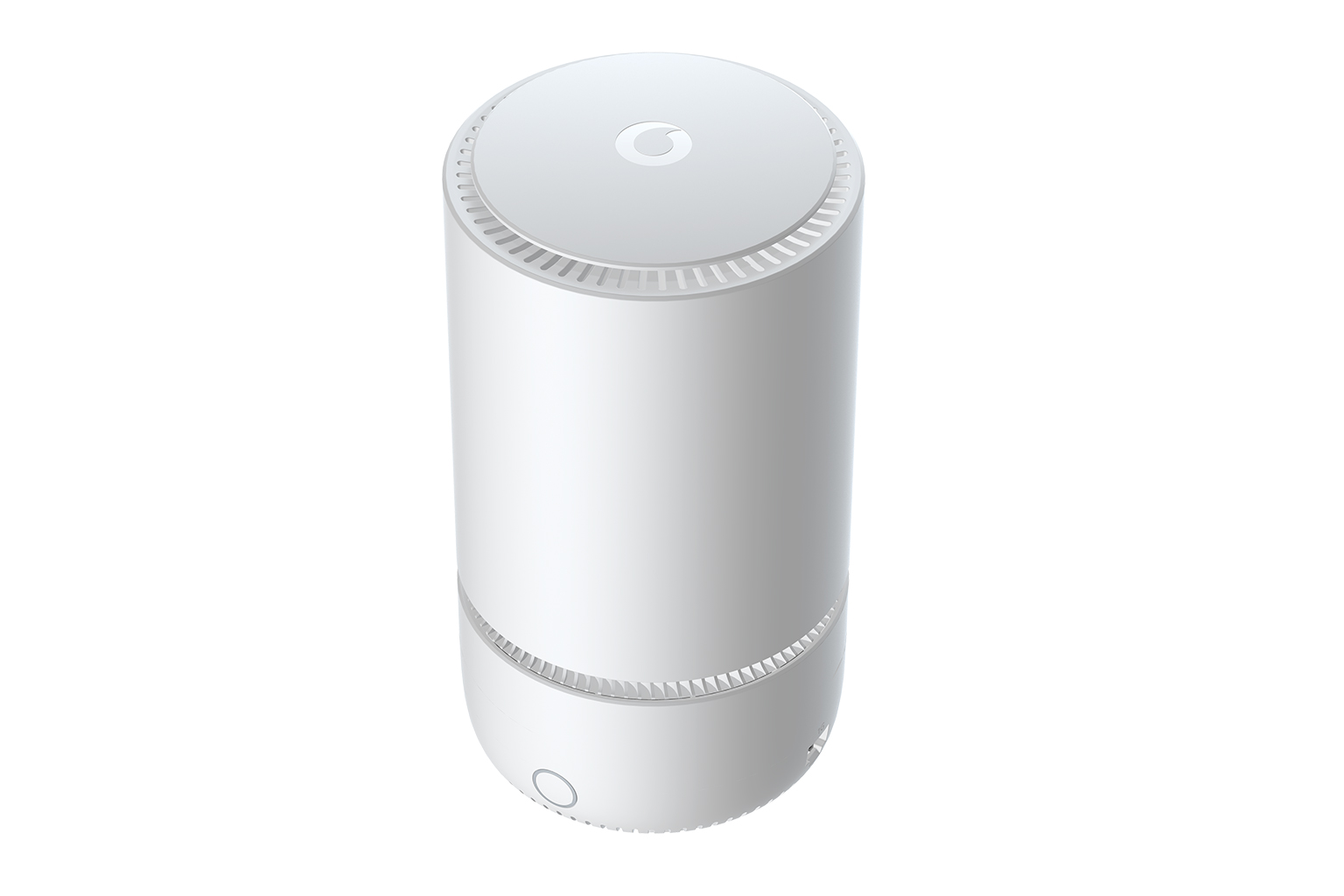
You do not need to be technical to work this out. The quickest check is to look in your phone’s settings: on most Android handsets, search the settings menu for “VoLTE” or “Voice over LTE”, or look under the mobile network or SIM options for a “VoLTE calls” toggle. On an iPhone, the equivalent lives under Cellular, then your SIM, then Voice and Data, where you can confirm 4G or 5G calling is enabled. If you can find and enable a VoLTE option, your phone almost certainly supports it. If there is no such setting at all, that is a strong hint the device is older and may be affected.
The second check is the phone’s age and capability. If your handset can already connect to 4G or 5G and shows that indicator in the status bar day to day, you are in good shape. A device that only ever showed “3G” or “H” in the status bar is the kind most at risk. When in doubt, every network runs a checker or a customer-service line, and staff in stores can look up your specific model in seconds. If you decide to switch provider while you are upgrading, our rundown of the O2 summer sale 2026 roaming savings and the latest UK tech news for this week are worth a look before you commit, since deals move quickly.
The video above from Vodafone UK explains 5G Standalone, the next-generation technology that the freed-up 3G spectrum helps to support. It is a useful primer on why the networks were so keen to retire 3G: the airwaves it occupied are far more valuable carrying modern data, and shutting it down is a step towards the faster, lower-latency networks that 5G promises. That context matters because the switch-off is not about taking something away for its own sake. It is about clearing room for the connectivity most British phone owners already use every day.
Why 2G is staying put for now
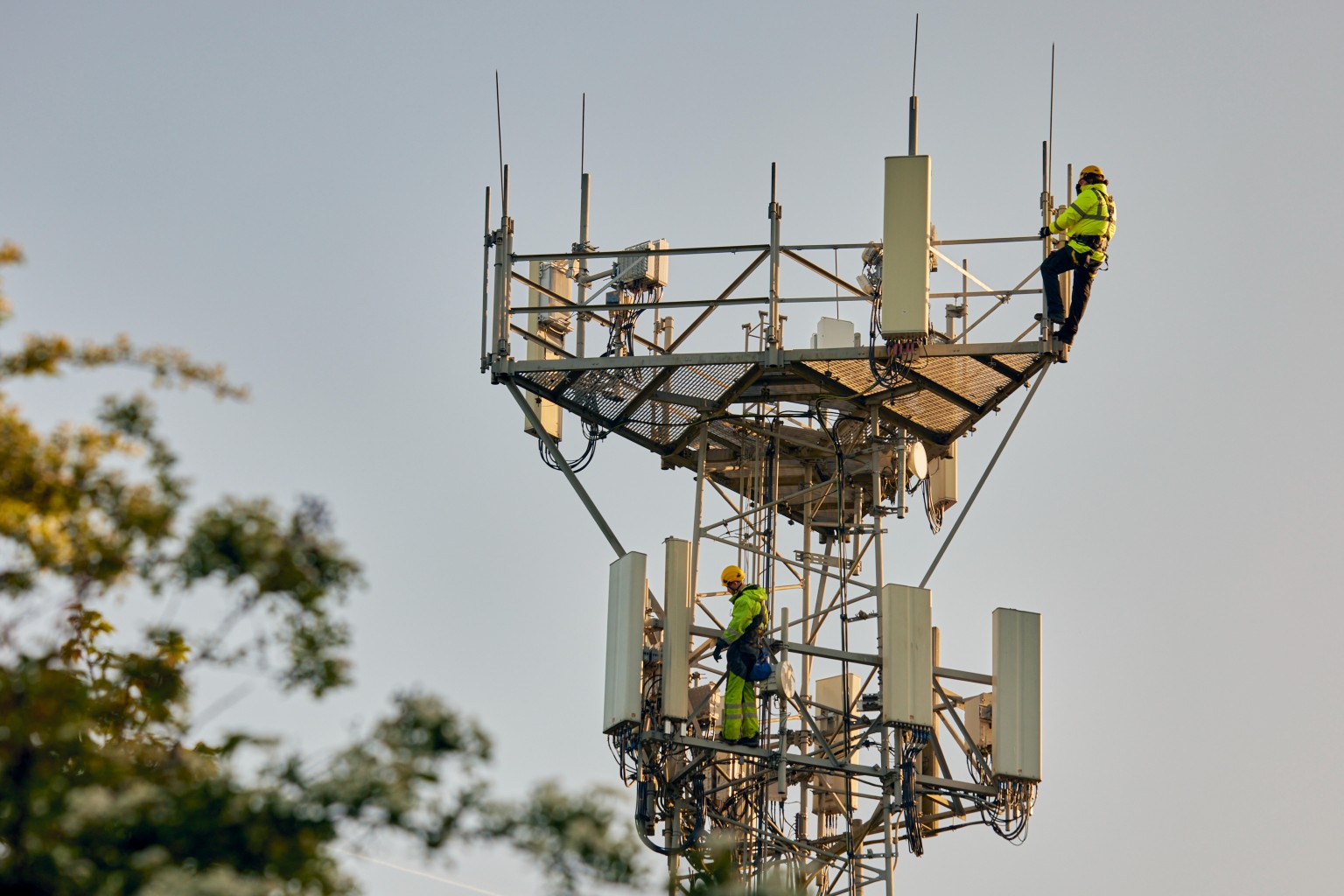
One myth worth killing immediately: 3G going does not mean 2G has gone with it. The old 2G network, which dates back even further, remains live across the UK and is doing important work behind the scenes. It acts as a voice fallback for calls, underpins emergency use, and carries a huge amount of “internet of things” traffic, from smart meters to alarm systems and vehicle telematics that were never designed for anything faster. So if your phone drops to a “2G” or “GSM” indicator in a weak-signal spot, that is the system working as intended, not a fault.
The 2G phase-out is a separate, much later programme. Current plans have EE switching off 2G from May 2029, with VodafoneThree retiring theirs during 2030, and the overall industry target to be done by 2033 at the latest, according to Ofcom’s May 2026 update, Mobile UK and the House of Commons Library. That gives the country years to migrate the millions of connected devices that still lean on 2G, and it means anyone worried that their phone will suddenly stop working entirely can relax: the voice backstop is staying for a long while yet. For the bigger picture on how the operators are building out their next-generation networks while this happens, see our look at Vodafone 5G home broadband.
Emergency calls and the people most at risk
The switch-off matters most for vulnerable groups: older relatives still using a long-serving handset, anyone holding a cheap “spare” phone for emergencies, and people in rural areas who may have leaned on 3G for years. The reassurance is that 999 and 112 emergency calling has multiple layers of resilience, and 2G remains available as a fallback. But a phone that cannot reach any network at all in your area is no use in a crisis, which is exactly why the networks have urged people not to leave an upgrade until the last minute. Jeanie York, Chief Technology Officer at Virgin Media O2, put it directly in December 2025.
You may still see a 3G signal in some places for a short period in early 2026. The network will soon be switched off entirely. I’d like to take this opportunity to urge anybody who is still using a 3G-only handset to please visit your local store, or call us, to upgrade as soon as possible.
Jeanie York, Chief Technology Officer, Virgin Media O2 (news.virginmediao2.co.uk, 18 December 2025)
If you are helping an older or less tech-confident relative, the kindest thing you can do is check their phone for them. Look for the VoLTE setting, confirm it can reach 4G, and if it cannot, walk them through an upgrade. Many networks offer affordable handsets and refurbished options precisely so cost is not a barrier, and store staff are well briefed on the switch-off. Doing this now, rather than after a problem appears, removes the risk that a relative is caught out by a phone that quietly stops connecting.

Why the networks wanted 3G gone
From the operators’ point of view, retiring 3G was overdue. The technology was carrying a shrinking slice of traffic while still occupying spectrum and consuming power, and every mast running 3G alongside 4G and 5G was doing extra work for diminishing returns. Switching it off frees that spectrum for 4G and 5G, which carry far more data per megahertz and reach more people. It also cuts energy use, which matters for both cost and the networks’ environmental commitments. In short, 3G had become the least efficient tenant on a crowded mast, and clearing it out lets the remaining technologies stretch their legs.
For consumers, the upside should show up gradually as coverage and capacity improve in the months ahead. The reclaimed airwaves do not vanish; they are redeployed to widen 5G reach and shore up 4G in places that were patchy. That is the trade at the heart of the whole programme: a short period of disruption for a small number of older-phone owners, in exchange for a better network for everyone else. If you want to weigh up which provider is investing where, our pieces comparing the carriers across coverage and price, including the EE and Three breakdown, are designed to help you choose with the switch-off in mind.
Where to buy or check next in the UK
If you have decided you need a new handset, start with your existing network’s online checker and store. EE, Vodafone, Three and O2 all run support pages explaining the switch-off and offer model-by-model guidance, and their high-street stores will check your current phone on the spot. Virgin Media O2’s help pages, updated through March 2026, specifically cover what O2 customers should do. For budget-conscious upgrades, several networks now sell refurbished and entry-level 4G and 5G phones, so a VoLTE-capable device need not be expensive. It is worth comparing a network’s own deal against independent retailers such as Currys and Argos, which often bundle SIM-free handsets with competitive tariffs.
Before you commit, sanity-check the tariff as well as the phone. A switch-off upgrade is a natural moment to review whether you are on the right plan, and the deals shift constantly. Our guide to the best EE plan in the UK for 2026 and the running O2 summer sale coverage can point you towards current value, and if you travel, the roaming inclusions are worth weighing in too. Whatever you choose, make sure the new handset clearly supports 4G or 5G and VoLTE, since that is the combination that future-proofs you against the later 2G changes as well.
Our verdict
Our view is that the 3G switch-off is a non-event for most readers and an easy fix for the rest, so there is no cause for alarm but every reason to act if you are one of the affected few. The headline is settled: all four UK networks have now retired 3G, the spectrum is being put to better use, and 2G stays as a voice and emergency backstop until the end of the decade and beyond. If your phone reaches 4G or 5G and supports VoLTE, you can ignore the whole thing. If it does not, do not wait. Take the lead from Virgin Media O2’s own advice and upgrade to a VoLTE-capable handset before a problem finds you. The smart move today is a five-minute settings check on your own phone and on any older relative’s device, followed by a cheap, modern handset where needed. Leave it too long and the risk is not that your phone explodes overnight, but that one day it quietly cannot connect when it matters most.
Is 3G completely switched off in the UK now?
Will my phone still work after the 3G switch-off?
What is VoLTE and why does it matter?
How do I check if my phone supports VoLTE?
Has 2G been switched off too?
Can I still make emergency calls?
Why did the networks switch off 3G?
What should I do if my older relative has a 3G-only phone?
Related reading on MTW
- EE 5G Plus network upgrade in the UK
- VodafoneThree world-first 5G network upgrade and coverage
- Vodafone versus O2 in 2026
MMTW Editorial














Reader discussion
Leave a comment
Comments are moderated. Keep it useful, accurate, and on topic.