

News · 11 Jun 2026 · Daniel Reid
visionOS 27 is the update that finally decides whether a £3,199 Apple Vision Pro earns its place on your face, and after sitting through the WWDC 2026 keynote on 8 June 2026 (with the detail confirmed on apple.com/os/visionos and reported by 9to5Mac the same day) our view is that this is the most consequential headset software Apple has shipped. It arrives this autumn to every existing Apple Vision Pro owner, free, so the only real question for a UK buyer is which of these features actually change how you use the headset day to day, and which are demo-reel sparkle. We have ranked them with that single test in mind.
- visionOS 27 was announced at WWDC 2026 (around 8 June) and ships to all existing Apple Vision Pro users this autumn, free (9to5Mac, 8 June 2026; apple.com/os/visionos).
- Visual Intelligence lets you ask Siri about virtually anything just by looking at it through the Vision Pro cameras (apple.com/os/visionos).
- Safari, Freeform and Apple TV Multiview gain curved windows that wrap content around you for comfort (apple.com/os/visionos).
- Wi-Fi starts and connects up to three times faster, and a new Mac Virtual Display widget can be placed anywhere (apple.com/os/visionos).
- Apple Vision Pro UK pricing starts at £3,199, or £266.58 a month for 12 months at 0% interest, on the Apple UK store (apple.com/uk, June 2026) – so every feature has to justify that figure.
Visual Intelligence is the feature that changes everything
If you only remember one thing from visionOS 27, make it this. Visual Intelligence on Apple Vision Pro lets you ask Siri about virtually anything just by looking at it through the headset’s cameras, and that single capability reframes what the device is for. Until now the Vision Pro has largely been a window onto your own content: your films, your apps, your Mac screen. Visual Intelligence turns it outward, so the room in front of you becomes something you can query. Apple’s framing is deliberately broad, and that breadth is the point.
Why does this top our ranking for daily use? Because it removes friction from the moments you actually wear a headset for. Looking at something and getting an answer, without typing, reaching for a phone or describing what you see, is the sort of interaction that only makes sense on a face-worn computer with cameras. It is the first visionOS feature that gives the hardware a job a phone cannot do as well. For UK owners who have struggled to explain to friends why they spent £3,199, this is finally a clean answer. It leans on the same broader push we covered in our look at Apple’s Siri AI under the UK and EU DMA rules, and it is the strongest single reason in this release to keep the headset rather than sell it on.
“Visual Intelligence on Apple Vision Pro lets you ask Siri about virtually anything just by looking at it.”
apple.com/os/visionos
Curved windows fix the most common everyday complaint
The second feature that genuinely changes daily use is the least glamorous one. In visionOS 27 Safari, Freeform and Apple TV Multiview now use curved windows, so content wraps around you rather than sitting flat in front of your eyes. That sounds like a cosmetic tweak. It is not. Flat panels floating in space force your eyes and neck to track across a plane, and over a long session that is exactly the fatigue that makes people take the headset off. A curved surface keeps the edges roughly equidistant, which is more comfortable for the kind of multi-hour browsing or whiteboarding the Vision Pro is meant to excel at.
We rank comfort improvements highly precisely because they are invisible until you live with them. Apple TV Multiview wrapping around you is the obvious crowd-pleaser for sport, but Safari and Freeform are where most owners spend their hours, and curving those is the kind of fix that quietly increases how long you are willing to wear the device. For anyone weighing the Vision Pro against a more conventional tablet experience, it is worth reading our iPadOS 27 UK verdict alongside this, because the comfort gap between glass-in-hand and content-around-you is exactly what visionOS 27 is trying to narrow. This is a keep-it feature, not a buy-it one, but it materially raises the daily ceiling.
Mac Virtual Display widget rewards the people who use it for work
Third on our list is a small change with an outsized effect for one specific group: people who already use the Vision Pro as an enormous Mac monitor. visionOS 27 introduces a new extra-small widget size and, more importantly, a new Mac Virtual Display widget that can be placed anywhere in your space. If your workflow is a MacBook driving a vast virtual canvas, being able to pin the display control as a widget wherever you like is the difference between fiddling and flow.
We are honest about the audience here. This feature does nothing for a buyer who treats the headset as a cinema or a gaming curio, and it is firmly in the productivity camp. But for the slice of UK owners who justified £3,199 on the grounds of a portable multi-monitor setup, it is one of the most useful additions in the release. Widgets that follow you between rooms and persist where you left them turn the headset into something closer to a workspace than an app launcher. If you came to Apple’s spatial computing from the iPhone and Mac side rather than the entertainment side, this and the Wi-Fi improvement below are the practical wins, and they pair naturally with the direction we flagged in our Apple WWDC 2026 UK preview.
Watch Apple explain the changes
Apple’s own WWDC 2026 keynote is the clearest place to see these features demonstrated rather than described, and it is worth the time before you decide whether to update on day one or wait for the inevitable point releases. The relevant visionOS 27 section sits within the broader announcement of the next generation of Siri AI and Apple Intelligence, which tells you how Apple itself is positioning the headset: as one more surface for the same assistant, not a separate world.
What the keynote also makes clear is how much of visionOS 27 is about closing comfort and convenience gaps rather than chasing new spectacle. That is a mature decision and the right one for a product this expensive, but it does mean the highlight reel undersells the update. The features that matter most are the ones that are hard to film: faster connections, friendlier windows, a smarter assistant that looks where you look. We would treat the video as a checklist of what to try first, then judge the release on a week of real use rather than the staged demonstrations.
Faster Wi-Fi and a tidier Control Centre are the quiet quality-of-life wins
Two changes sit in the middle of our ranking because they smooth the rough edges without redefining anything. First, Apple says Wi-Fi on the Vision Pro now starts and connects up to three times faster in visionOS 27. On a device where every session begins with putting on a headset and waiting for things to load, shaving that wait matters more than the spec sheet suggests. The headset feels less like booting a computer and more like picking up a phone, and that psychological shift is what gets people to reach for it casually rather than reserving it for an event.
Second, the redesigned Control Centre organises notifications and playback, core controls and Environments into distinct areas. Anyone who has hunted for the right toggle mid-session will appreciate the structure, and separating Environments into their own zone makes switching scenery a deliberate act rather than an accident. Neither of these will sell a headset, but both reduce the small daily frictions that, added up, decide whether an expensive gadget becomes a habit or a drawer ornament. If you are the sort of buyer who reads our software verdicts before updating, such as our take on iOS 27 on older iPhones in the UK, you will recognise this pattern: the unglamorous plumbing is often what determines whether you keep using something.
Spatial scenes, Thorsmork and Flyover are the delightful extras
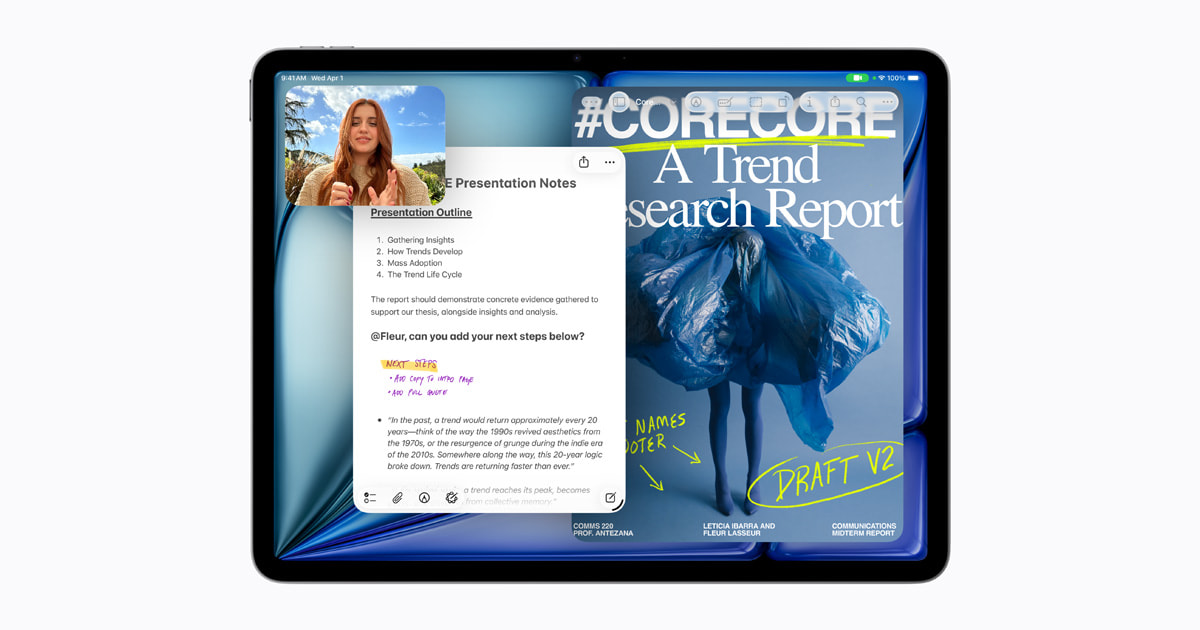
Lower down the ranking, but still genuinely nice, are the features that lean into the headset’s sense of place. In visionOS 27 you can turn panoramas you have shot into spatial scenes and set them as immersive personal Environments, which is the most personal thing the Vision Pro has ever let you do: stand inside a photo of somewhere that means something to you. Apple also adds a new Thorsmork immersive Environment, modelled on the Icelandic highlands with northern lights, alongside an enhanced Flyover in Apple Maps that makes city tours more convincing.
We rank these as delight rather than utility, and that is not a criticism. Personal Environments built from your own panoramas are the kind of feature owners will show off and then return to far less often than they expect, much like a clever wallpaper. Thorsmork is gorgeous and Flyover is fun, but neither changes how often you reach for the device. For a £3,199 product the honest framing is that these features sweeten ownership rather than justify it. They are reasons to smile, not reasons to buy, and we would not let them sway a purchase decision the way Visual Intelligence or the comfort changes should. They do, however, make a strong case that Apple still cares about the headset’s soul, not just its spreadsheet.
A more conversational Siri ties the release together
Threading through the whole update is a new, more capable conversational Siri built on Apple Intelligence. On the Vision Pro this matters more than on any other Apple device, because a headset is the one product where talking to your computer feels natural rather than awkward: your hands are often busy, your gaze is the pointer, and speaking is frequently the path of least resistance. A Siri that holds context and handles follow-up questions makes Visual Intelligence far more useful, since the value of looking at something and asking about it depends entirely on how good the answer and the follow-up are.
We place the Siri upgrade as connective tissue rather than a standalone ranking entry because it amplifies the features above it. The risk, as ever with Apple Intelligence, is that the UK and EU rollout lags or arrives with caveats, a pattern we have tracked closely in our coverage of Apple’s Siri AI and the DMA and in the broader WWDC 2026 UK preview. If the conversational Siri lands here in full and on time, it lifts the whole release; if it arrives clipped, Visual Intelligence loses some of its shine. That dependency is the single biggest unknown hanging over an otherwise confident update, and it is the thing UK owners should watch as the autumn release approaches.
visionOS 27 features ranked for daily UK use
Here is how the headline features stack up on the only test that counts for a £3,199 device: does it change what you do tomorrow? We have scored each on practical daily impact rather than demo appeal.
| Feature | What it does | Daily-use impact |
|---|---|---|
| Visual Intelligence | Ask Siri about anything you look at | Highest – the reason to keep the headset |
| Curved windows | Safari, Freeform, TV Multiview wrap around you | High – real comfort, longer sessions |
| Mac Virtual Display widget | Placeable anywhere, plus extra-small widgets | High for workers, low for everyone else |
| Faster Wi-Fi | Starts and connects up to 3x faster | Medium – lowers the friction to reach for it |
| Redesigned Control Centre | Notifications, controls, Environments separated | Medium – fewer fiddly moments |
| Spatial scenes and Thorsmork | Panoramas as Environments, new immersive scene | Low – delight, not utility |
The features that matter most in visionOS 27 are the ones that are hard to film: a smarter assistant, friendlier windows and connections that simply start faster.
Where to check next in the UK
visionOS 27 is a free update, so there is nothing to buy to get it: it lands this autumn on every existing Apple Vision Pro. If you do not yet own one, the Apple UK store lists the Vision Pro from £3,199, or £266.58 a month across 12 months at 0% interest, and that is the figure to plan around. Apple Store locations in the UK remain the best place to book a demonstration before committing such a sum, and we would strongly encourage a hands-on session given the price. For the official feature list and the autumn timing, apple.com/os/visionos is the source to bookmark.
If you are still deciding where the Vision Pro fits against Apple’s cheaper devices, our iPadOS 27 UK verdict and our iOS 27 guidance for older iPhones are useful reference points, and the wider context sits in our WWDC 2026 UK preview. For the AI dependency that underpins the headline feature, keep an eye on our reporting on Apple’s Siri AI under UK and EU rules.
Our verdict
visionOS 27 is the update that makes us comfortable telling an existing UK owner to keep their Vision Pro rather than sell it on. Visual Intelligence alone gives the headset a genuine reason to exist beyond watching films and mirroring a Mac, and the comfort and connection improvements make the device pleasant enough that you will actually reach for it. That is a meaningful change for a product that has spent its life in a justification crisis. For prospective buyers the maths is harder: at £3,199 the bar is brutal, and visionOS 27 does not lower the price or add a feature so transformative that it overrides the cost. Our call is clear. Existing owners should update and feel reassured. Anyone tempted to buy should book a demo, try Visual Intelligence in person and let the autumn release prove itself before spending the money. The one risk that could flip this verdict is a delayed or clipped UK rollout of the conversational Siri that the best features quietly depend on.








Reader discussion
Leave a comment
Comments are moderated. Keep it useful, accurate, and on topic.