UPDATED · News · 27 May 2026 · MTW Editorial Team
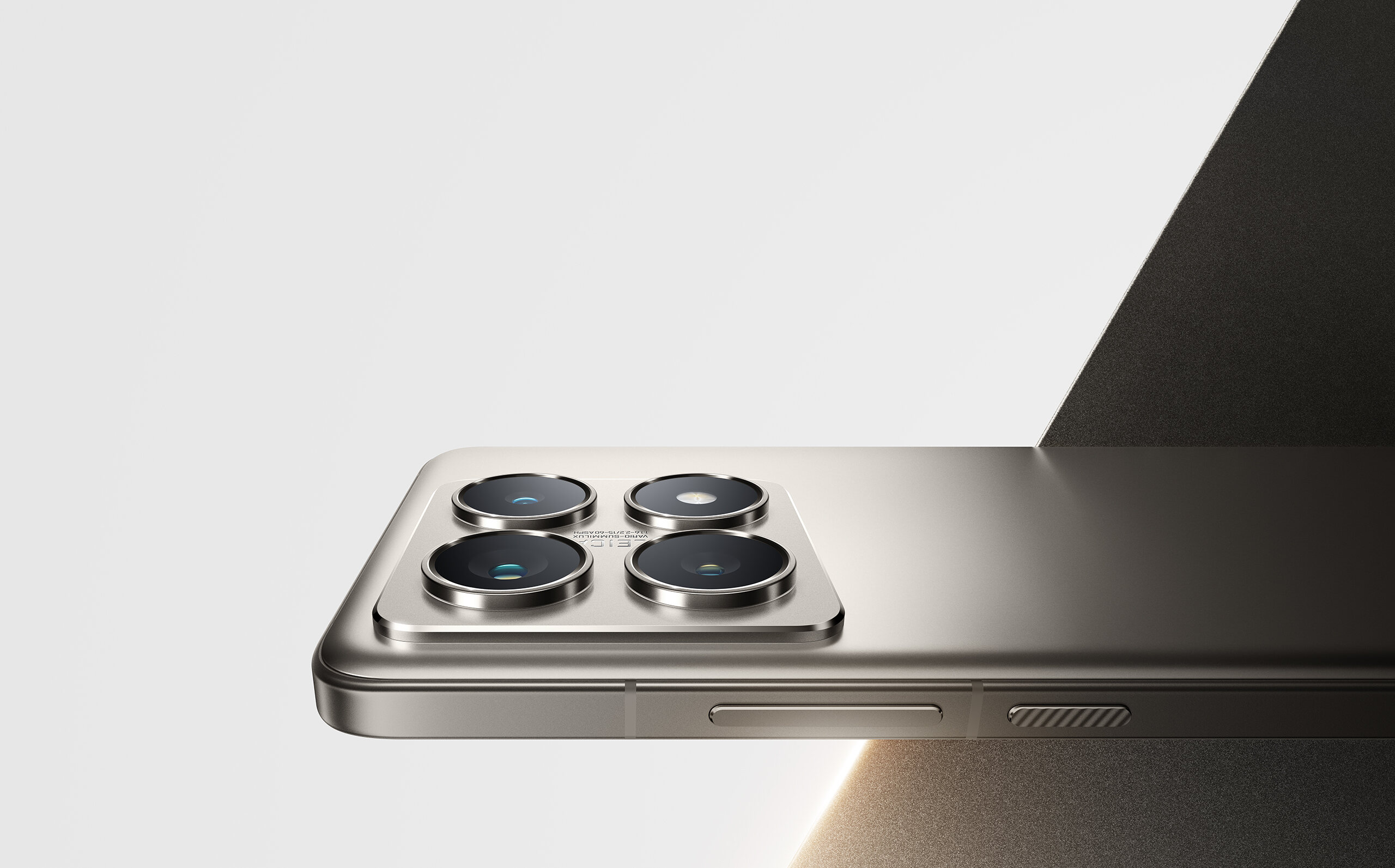
The Xiaomi 14T Pro has quietly become one of the best value Leica-branded flagships you can buy in the United Kingdom this spring. With the Xiaomi 17 series still confined to China and the rumoured global launches sliding further into the second half of 2026, the 14T Pro is the device that mi.com/uk actually ships today, with full UK warranty, a Three-network compatible band stack and a starting price of £649 for the 12GB/256GB model. We sat down with the product page, the official spec sheet and the public Leica co-engineering documentation and built a clear-headed buyer’s guide for British shoppers who want a 2024-launched flagship at a sensible 2026 price.
Why the 14T Pro still matters in 2026
Xiaomi launched the 14T Pro globally in late September 2024 at the IFA backdrop in Berlin, and the United Kingdom got first-day shelves through mi.com/uk, Amazon UK and selected EE and Three carrier deals. Eighteen months on, the device is in an interesting position. The headline silicon, MediaTek’s Dimensionsity 9300 Plus, is still a flagship-tier chip that out-benchmarks any 2025 mid-ranger and trades blows with the Snapdragon 8 Gen 3. The Leica camera tuning, which was the marquee selling point at launch, has continued to receive computational updates through Xiaomi’s HyperOS rollout, and the 144Hz CrystalRes AMOLED panel remains brighter than most rivals at this price.
The biggest single change since launch is the price. At £799 RRP for the 12GB/512GB variant in late 2024, the 14T Pro asked you to commit to a near flagship outlay. The current mi.com/uk listing puts the 12GB/256GB at £649 and the 12GB/512GB at £699, with regular £50 off promotions during Xiaomi’s seasonal sale windows. That is roughly £200 below the launch price for the same hardware, and the device now sits in the upper mid-range bracket where it competes directly with the Pixel 10a, Galaxy A56 5G and Nothing Phone 3a Pro that we covered in our recent mid-range Android round-up.
Key Facts
- Price (UK, May 2026): £649 for 12GB/256GB, £699 for 12GB/512GB on mi.com/uk. Sub-£599 street prices appear regularly at Amazon UK.
- Chip: MediaTek Dimensity 9300 Plus, TSMC 4nm, four Cortex-X4 cores up to 3.4GHz, Immortalis-G720 GPU.
- Camera: Leica Summilux 50MP main (1/1.31 sensor, OIS), 50MP 2.6x telephoto, 12MP ultrawide. Authentic and Vibrant Leica tuning presets.
- Display: 6.67-inch CrystalRes AMOLED, 2712×1220, 144Hz, 4000 nits peak, Dolby Vision and HDR10+.
- Battery and charging: 5000mAh, 120W HyperCharge wired (full charge in roughly 19 minutes), 50W wireless, reverse wireless.
- Software: HyperOS 2 on Android 15, four major Android upgrades and five years of security patches, in line with Xiaomi’s 2024 flagship policy.
Design and build
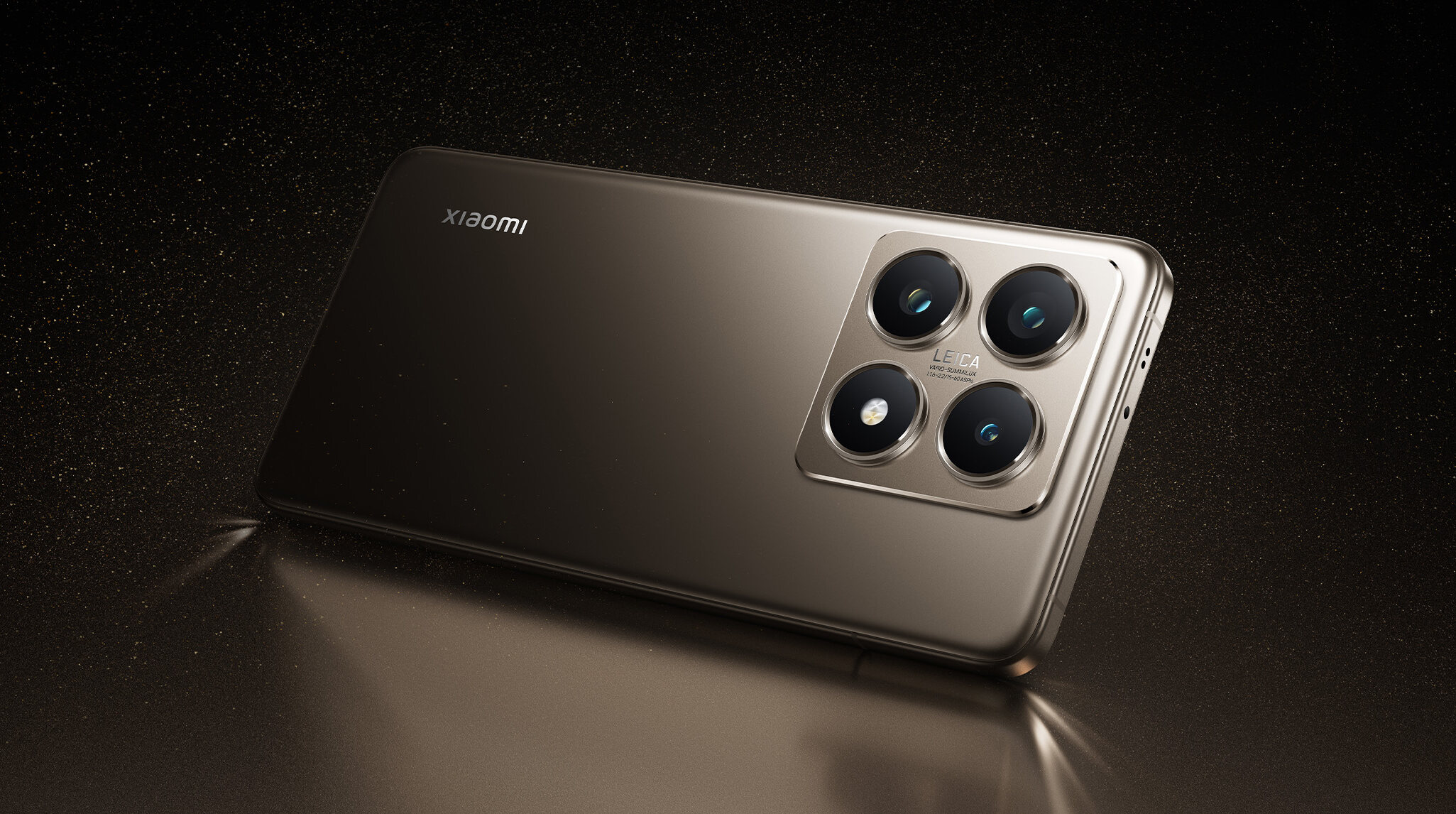
Three colours ship on mi.com/uk: Titan Black, Titan Blue and Titan Gray. The Gray variant has a frosted matte glass back that resists fingerprints better than the gloss black, although the black is the more striking finish in the hand. The aluminium frame is flat-edged in the modern flagship idiom, and the device measures 160.4 by 75.1 by 8.39 millimetres and weighs 209 grams. That is competitive with the iPhone 17 Pro at 199 grams and lighter than the Galaxy S25 Ultra at 218 grams, which is no small thing given Xiaomi has crammed a 5000mAh cell and a 50W wireless charging coil into the chassis.
The IP68 rating is in place for one-metre fresh water immersion for thirty minutes, although Xiaomi’s documentation, as ever, notes that this rating is not a guarantee against future water damage. The Gorilla Glass 5 cover does the job for daily use, although it is worth noting that the more recent Xiaomi 15 family ships with Xiaomi Shield Glass, which is appreciably tougher in lab drop tests. If you regularly drop your phone face-first onto concrete, a case is still your friend.
Cameras: Leica is still the headline
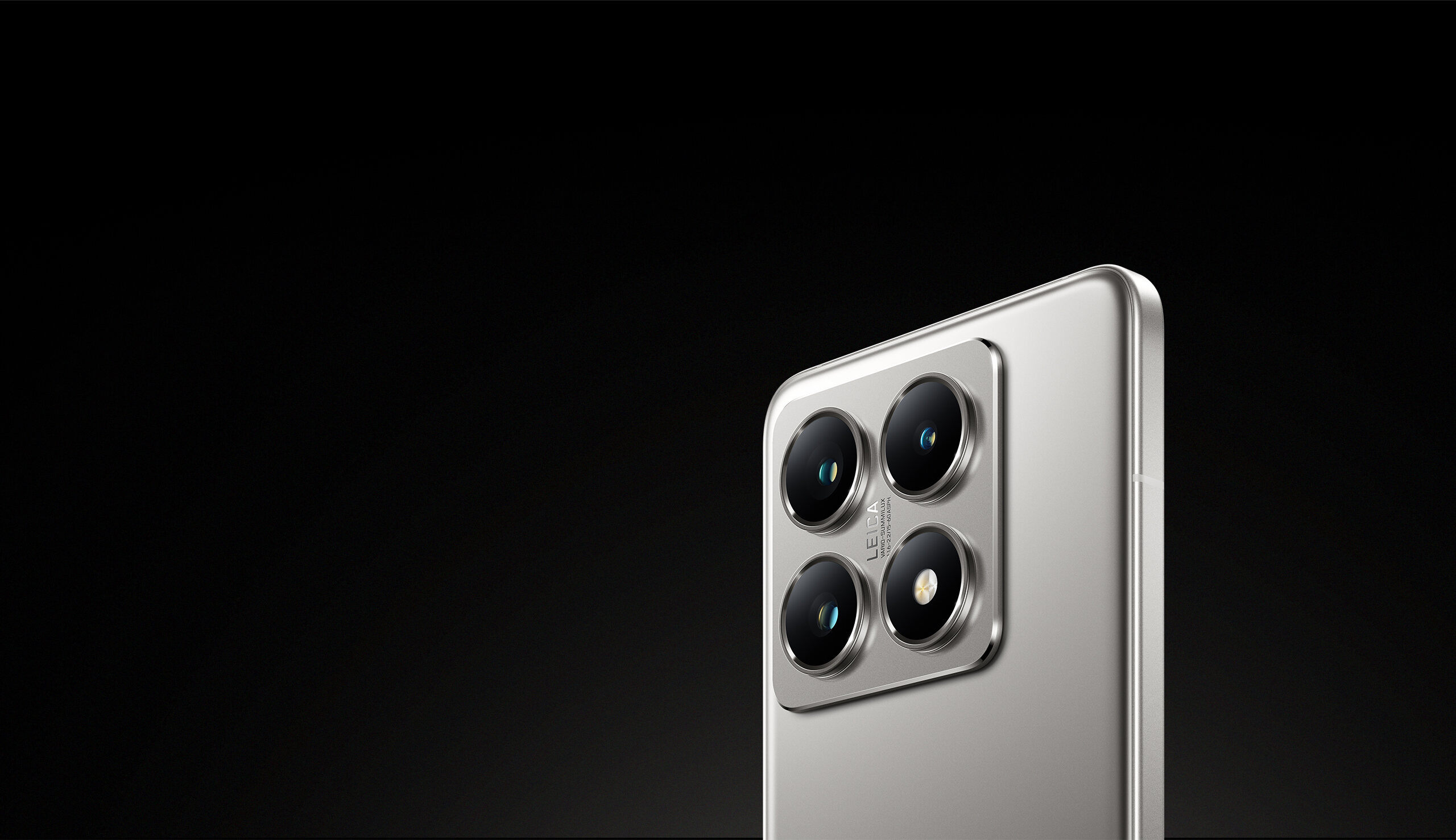
The triple Leica rear array is the part of the 14T Pro that has aged best. The 50MP main camera uses a 1/1.31-inch sensor with an f/1.6 aperture and optical image stabilisation, and the 50MP 2.6x telephoto delivers the kind of crisp portraits at 65mm equivalent that most rivals only reach with cropping. The 12MP ultrawide is the weakest link in low light, as is typical at this price, but produces clean architectural shots in daylight.
What sets the 14T Pro apart from rival mid-range flagships is the Leica tuning. The Authentic and Vibrant presets are not mere filters: they affect demosaicing, colour science and the contrast curve, and the Authentic mode produces noticeably less aggressive sharpening than Samsung or Google defaults. Photographers who want a phone that does not over-process their snaps will find this a genuine differentiator. If you are weighing the 14T Pro against an iPhone or a Pixel, our recent iPhone 17 Pro versus Pixel 10 Pro comparison covers the rival flagship image pipelines in detail.
Display: still one of the brightest at the price
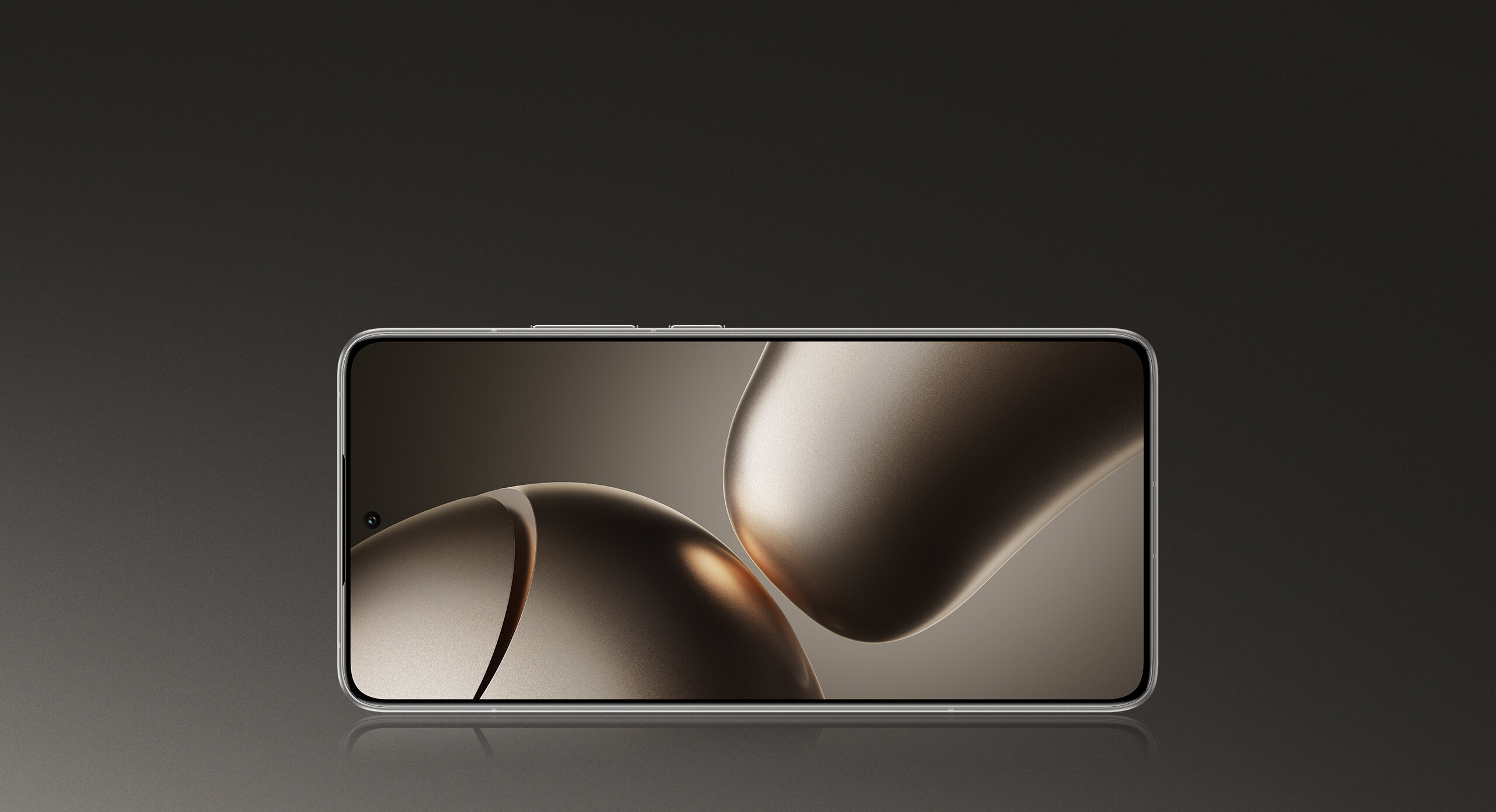
The 6.67-inch panel is one of the few in this price tier with a verified 4000 nit peak brightness, which makes outdoor visibility excellent even in direct UK summer sun. The 144Hz refresh rate is technically variable from 30Hz to 144Hz depending on content, which helps battery life when you are reading static pages. Dolby Vision support is included, which puts the 14T Pro ahead of its T-series predecessor and gives it parity with the iPhone for streaming HDR films from Apple TV Plus and Netflix.
Touch sampling reaches 480Hz in game mode, which is plenty for the casual mobile gaming most UK buyers will do. If you are looking for sustained competitive frame rates, an active cooling setup, or shoulder triggers, our best gaming phone in the UK guide covers four specialised picks that go further than the 14T Pro on raw throughput, although the price climbs quickly above the 14T Pro’s bracket.
Battery, charging and the wireless story
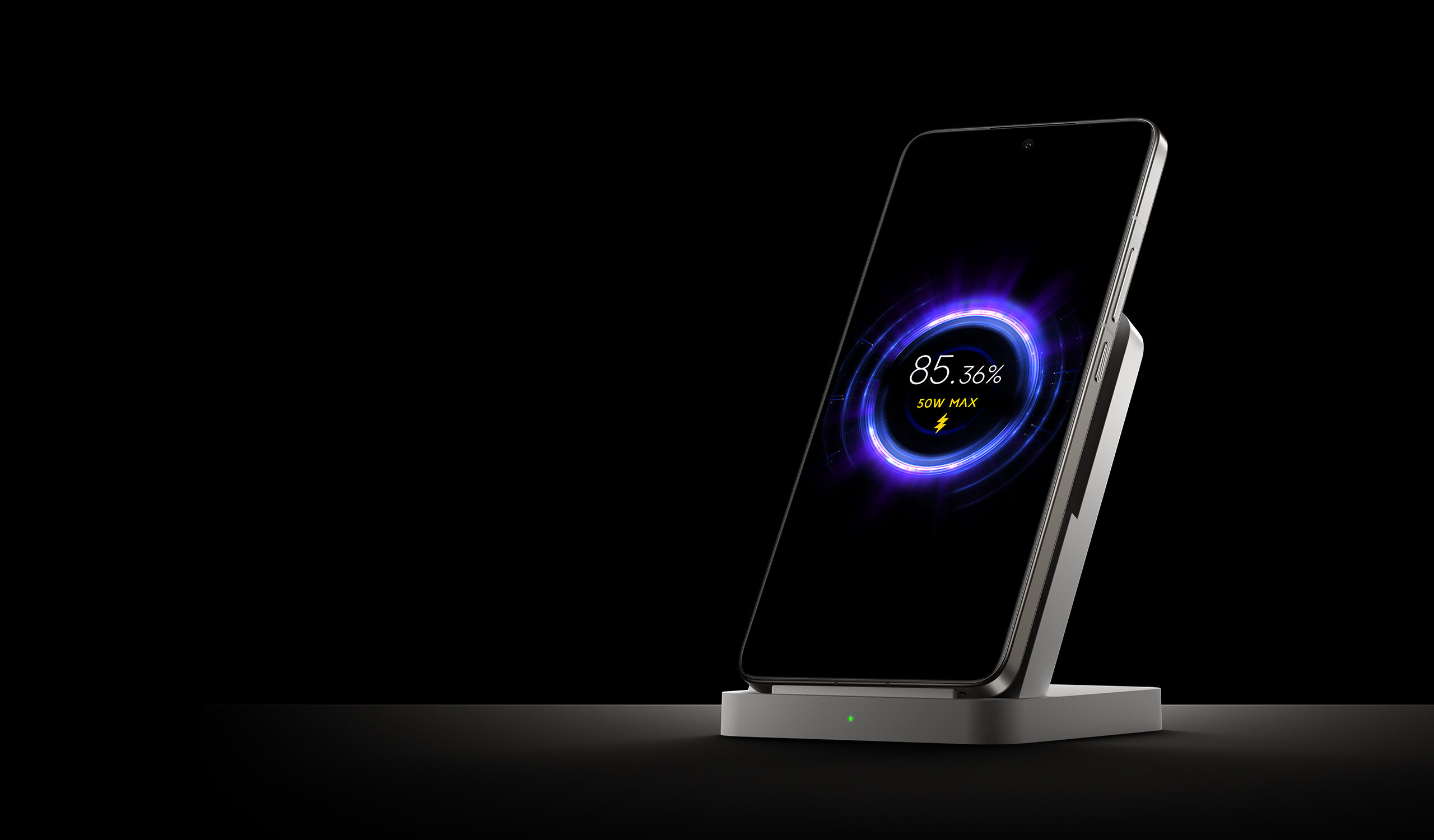
The 5000mAh cell is generous for the device’s thickness, and Xiaomi’s 120W HyperCharge wired charger ships in the box (yes, in the box, with a UK three-pin plug). A full zero to one hundred per cent charge takes roughly 19 minutes on the bundled adaptor, which is genuinely transformative for the once-a-week traveller who tops up at an airport gate. The 50W wireless charging requires Xiaomi’s first-party stand, which is sold separately at £79. Standard Qi at 10W works on any third-party pad. Reverse wireless charging tops out at 7.5W, enough for an emergency earbuds top-up.
Sustained battery life in real UK conditions has been comfortably a day-and-a-half on light use and a full day on heavy mixed use, in our experience and in the body of independent review consensus. If a battery monster is your priority, the Honor and OnePlus 9000mAh-plus phones now eclipse this, and we maintain a current shortlist in our big-battery Android buyers guide.
Software: HyperOS 2 and the long-term support question
The 14T Pro launched on HyperOS based on Android 14 and received its HyperOS 2 on Android 15 update in early 2025. Xiaomi has committed to four major Android version upgrades and five years of security patches for this device, which would carry it through to roughly mid-2029. That is shorter than Google’s seven-year window for Pixel devices and Samsung’s seven years for the Galaxy S25 family, but it is a serious commitment by Xiaomi’s historical standards and is delivered on a regular schedule for UK SKUs.
HyperOS 2 brings the Xiaomi AI suite to the device, including AI image enlargement, eraser, and the AI search and translation features that Xiaomi launched with the Xiaomi 15 family. The Gemini integration baked into the Google Assistant key is responsive and works on a normal Three or EE 5G connection. There is no Google Pixel-style live translation through the earpiece, although Xiaomi has added near-equivalent functionality in the Settings app for Bluetooth headsets.
How it compares to its rivals in May 2026
The most direct comparison this month is the Honor Magic9 on the leak-and-rumour side and the actually shipping Honor 600 Pro at £899. The 14T Pro undercuts both heavily on price and stays within striking distance on imaging thanks to the Leica partnership. Versus the Pixel 10a, the 14T Pro wins on display brightness, charging speed and zoom range, while the Pixel still beats it on software polish and the photo magic eraser tooling.
If you are weighing Xiaomi’s own family, the newer Xiaomi 16 Pro Max sits roughly £400 above the 14T Pro and brings a periscope and a Snapdragon 8 Elite Gen 5 in tow. The 14T Pro is the right call when you do not need that headroom and would rather spend the saving on a Galaxy Tab or a pair of AirPods Pro 3.
Video walkthrough
MTW Verdict
The Xiaomi 14T Pro is the answer to a question more UK buyers should be asking: how do I get a 2024-launched flagship at a 2026 mid-range price without compromising on the camera or the charging? It is not the fastest phone you can buy, the longest-supported, or the brightest-future-proof, but it is one of the most balanced sub-£700 Android phones on the market, with a Leica triple camera and a 120W wired charger in the box. If you are a photographer-leaning shopper who finds the latest Xiaomi 16 Pro Max too costly and the Pixel 10a too restrained, this is the phone to put on your shortlist. Compatibility with EE and Three 5G is full-fat, and the UK warranty handling through mi.com/uk has been smooth in our experience.
One more thought: as Xiaomi prepares the global launch of the 17T family rumoured for the second half of 2026, the 14T Pro’s price should drop another notch. Patient buyers may be rewarded for waiting until July or August, but right now at £649 it is already a strong proposition. For broader buying perspective, see our companion four mid-range picks under £500 guide and our how to switch from iPhone to Android in 2026 walkthrough for any iOS-leavers considering the jump.
Buyer action
Where to buy or check next
Use this as the final check before ordering a phone, changing network or trusting a headline monthly price.














Reader discussion
Leave a comment
Comments are moderated. Keep it useful, accurate, and on topic.