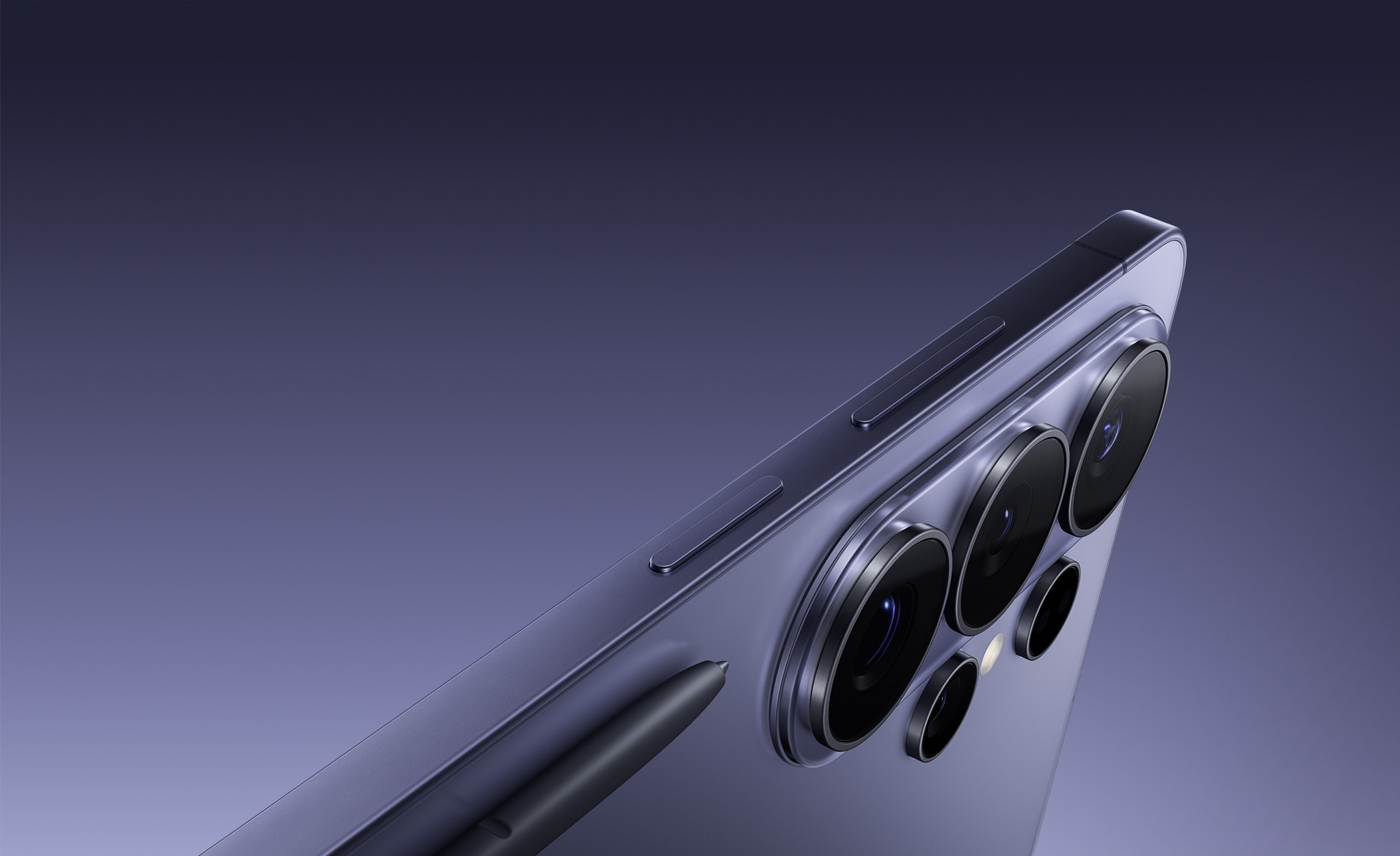
Flagship phones now routinely cost £1,300, and we have all quietly agreed to pretend that is normal. It is not. The Samsung Galaxy S26 Ultra starts at £1,279, the iPhone 17 Pro Max climbs to £1,999 fully specced, and the industry has spent five years training us to treat those numbers as aspirational rather than absurd. In 2026, the £1,300 flagship is a con — and the cheaper phones sitting right next to it on the same shelf prove it.
- Samsung Galaxy S26 Ultra starts at £1,279 in the UK.
- iPhone 17 Pro Max starts at £1,199 and reaches £1,999 at 2TB.
- The iPhone 17 does the same core job for £799.
- The iPhone 17e undercuts the lot at £599.
- That is a £680 gap between the cheapest and the dearest current iPhone alone.
Flagship phones stopped earning their price
There was a time when paying flagship money bought you a genuinely transformative phone: the first good cameras, the first fast chips, the first OLED screens. That era is over. The improvements that justify a £1,300 price tag now land at the cheaper end within a year or two, and the gap a buyer actually feels has shrunk to almost nothing. A £799 iPhone 17 has the same chip family, the same software, the same years of updates and a camera that is excellent in every situation that is not a zoo enclosure at dusk.
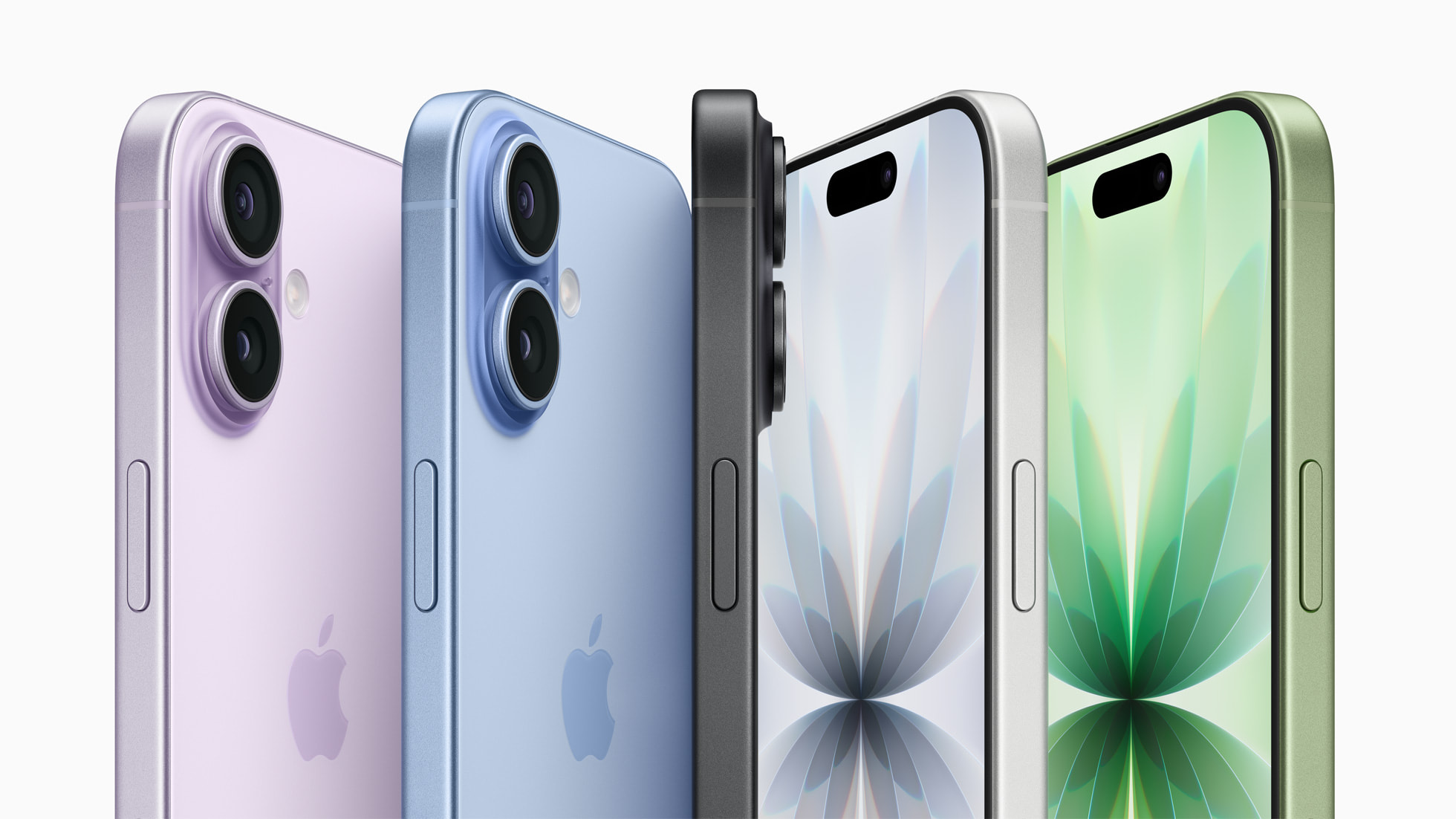
What the ultra-tier sells now is excess, not capability: a fourth camera you use twice a year, a terabyte of storage you will never fill, a slightly bigger screen. None of it is bad. All of it is wildly overpriced relative to the joy it adds. We made the same case from the other direction in our best iPhone UK 2026 guide, where the honest recommendation for most people is the cheapest model that is not actively compromised.

How flagship phones trained us to overpay
The pricing trick is deliberate. By anchoring every launch on a £1,279 or £1,199 “Ultra” or “Pro Max”, manufacturers make the merely-expensive £999 model feel like restraint and the £799 model feel like a sacrifice. It is the oldest tactic in retail, dressed up in titanium. Monthly contracts finish the job, slicing £1,300 into £40-a-month chunks that hide the total and quietly bundle in interest. Most people never see the real number.
It is worth remembering how fast this happened. Not long ago a top-end phone hovered around £700 to £800, and a four-figure handset was a curiosity. The “Ultra” and “Pro Max” labels were invented precisely to open a new pricing ceiling above that, and every year the ceiling drifts higher while the genuine generational leap shrinks. We have normalised paying laptop money for a phone, and the manufacturers have learned that we will keep doing it as long as the headline spec sounds bigger than last year’s. That is not innovation; it is conditioning.
Spec sheets do the rest. A 200MP sensor sounds twice as good as a 48MP one; in a side-by-side photo on a phone screen, you cannot tell them apart. An 8x telephoto is genuinely useful to a tiny minority and a novelty to everyone else. The whole flagship pitch leans on numbers that are technically real and practically irrelevant, which is exactly why we keep arguing that a good cheap phone makes the flagship look stupid.

When flagship phones are still worth it
This is not blanket flagship-bashing. There are people who should buy the £1,279 Galaxy S26 Ultra or the £1,199 iPhone 17 Pro Max without guilt: working photographers, videographers, anyone whose phone is a tool that earns money, and people who genuinely keep a device for six years and want the longest runway. For them the ultra-tier is a sound investment, and the camera and battery advantages are real, as our iPhone 17 Pro Max versus iPhone Air comparison spells out.
| Phone | UK start price | MTW read |
|---|---|---|
| iPhone 17e | £599 | Enough for most people |
| iPhone 17 | £799 | The sweet spot |
| iPhone 17 Pro Max | £1,199 | Only if it earns its keep |
| Galaxy S26 Ultra | £1,279 | Brilliant, and overkill |
The problem is that this group is small, and the marketing is aimed at everyone. The phone that films a wedding for a living and the phone that films a toddler’s birthday do not need to cost the same, yet we are nudged towards the same £1,300 checkout regardless. Matching the phone to the use, not the ego, is the entire game.

What UK buyers should do about flagship phones
Stop pre-ordering on reflex. Before you spend £1,300, write down the single feature you are buying that the £799 model lacks, and be honest about whether you will use it weekly. If you cannot name one, you are buying a status symbol, and there is no shame in that — just call it what it is and do not pretend it was a practical decision. For the rest of us, the £799 iPhone 17 and its Android equivalents are not a compromise. They are the correct choice that the marketing has spent years convincing you to feel bad about.
The con only works while we keep paying it. The fastest way to make £1,300 phones better value is to stop buying them by default and force the ultra-tier to actually justify the gap. Spend the £500 you save on something that genuinely improves your life, hold your current phone an extra year, or simply keep it. Until the ultra-tier earns the premium, flagship phones at this price are a triumph of marketing over maths.
MTW verdict
Flagship phones at £1,300 are not worth it for most UK buyers in 2026. Buy the £799 iPhone 17 or a comparable Android, pocket the difference, and only step up to an Ultra or Pro Max if you can name the feature you will use every week. The ultra-tier should have to earn your money — right now it is simply assuming it.
MMTW Editorial
Buyer action
Where to buy or check next
Use this as the final check before ordering a phone, changing network or trusting a headline monthly price.
















Reader discussion
Leave a comment
Comments are moderated. Keep it useful, accurate, and on topic.