
News · 9 Jun 2026 · Claire Bennett
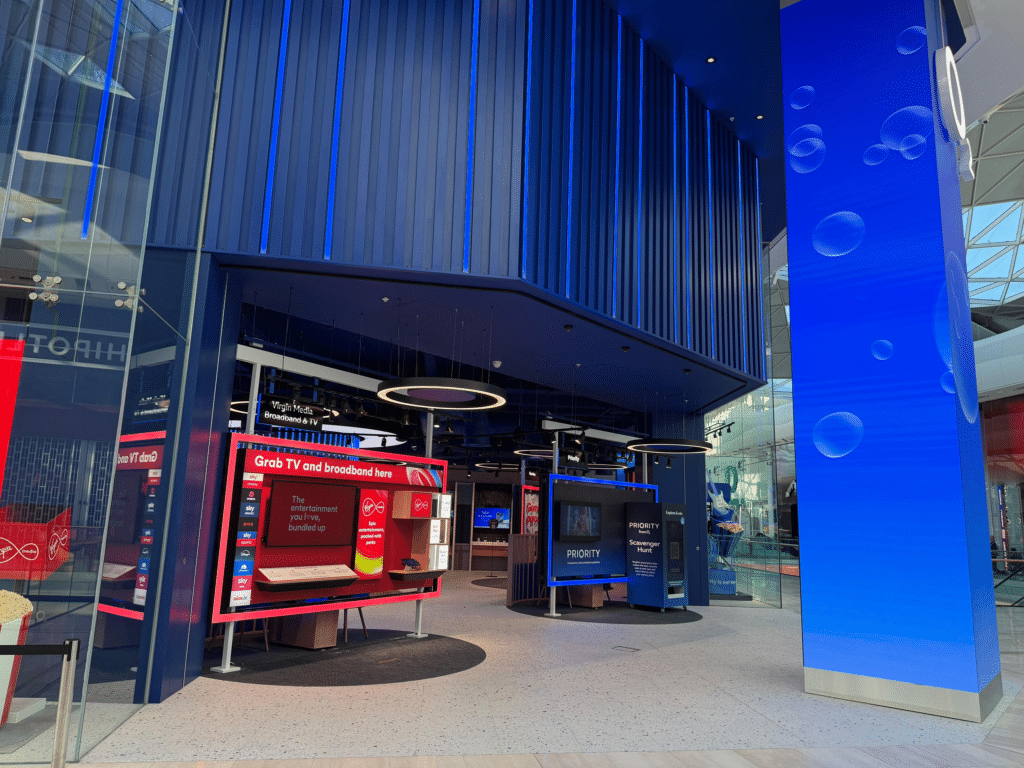
Virgin Media O2 Westfield White City is the operator’s new flagship “experiential” store, and it opened on 22 May 2026 on the first floor of the West London shopping centre. Spanning more than 3,860 square feet, it is less a phone shop and more a showroom: a space built for trying gigabit broadband, gaming rigs and connected tech rather than queuing to pay a bill. For UK shoppers, the interesting question is not whether it looks impressive in photos, but whether the new format actually helps you make a better buying decision, or whether it is a glossy way to sell you the same contracts.
- Where and when: Westfield London at White City, first floor, opened 22 May 2026.
- Size: more than 3,860 square feet of experiential retail space.
- Discovery zones: Gamers Paradise, a TV and broadband area, a Meta Zone and Priority from O2.
- Community role: the store doubles as a National Databank hub, giving free O2 mobile data to people in data poverty.
- Design: recycled and responsibly sourced materials, smart LED lighting and low-energy screens.
What the Virgin Media O2 Westfield store puts on the floor
The pitch is “discovery zones” rather than aisles of handsets. Virgin Media O2 has split the floor into hands-on areas so a shopper can test what a product feels like before committing to a 24-month contract. That is a meaningful change from the standard UK phone shop, where the demo handsets are tethered to a wall and the real selling happens at a desk. Here, the layout is the sales pitch: try the gaming setup, watch the TV package, see what gigabit broadband actually does, then talk numbers.
It is also part of a pattern, not a one-off. Virgin Media O2 has opened experiential stores in Liverpool ONE and elsewhere this year, each with its own twist on the same idea. The company is clearly betting that physical retail still matters when the product is connectivity you cannot hold in your hand. For the wider picture of where the operator sits in the UK market, our overview of Virgin Media O2 mobile in 2026 is a useful companion to this store tour.
Inside the discovery zones

The headline zone is Gamers Paradise, where the draw is low-latency gaming over the operator’s broadband, the kind of demonstration that means far more in person than in a spec sheet. A TV and broadband area shows off the Virgin TV line-up and gigabit connectivity, while a Meta Zone gives floor space to mixed-reality headsets and smart glasses. The store is doing what a webpage cannot: letting you feel the difference between marketing claims and real performance.
There is a connected-tech corner too, where the operator can show off services such as O2’s direct-to-device satellite messaging. We have covered how that works in our explainer on O2 Satellite for iPhone, and seeing it demonstrated in a store is exactly the sort of thing the experiential format is built for. The risk, as ever, is that an impressive demo glosses over the everyday reality of coverage and contention at peak times. We would test the broadband claims against an independent speed check before signing anything.
The gaming zone is the clearest case for visiting in person. Latency, the delay between pressing a button and seeing the result on screen, is almost impossible to convey on a product page, yet it is the single thing that decides whether a fast broadband connection feels good for competitive gaming. A store that lets you actually play on its network, rather than read a number, gives you information you cannot get online. The same is true of mesh Wi-Fi coverage and the real-world feel of a TV package: these are experiences, and experiences are exactly what a webpage cannot sell. That is the honest strength of the format, and it is why we think the better operators are right to invest in it even as switching moves online.
Priority from O2 and the rewards pitch
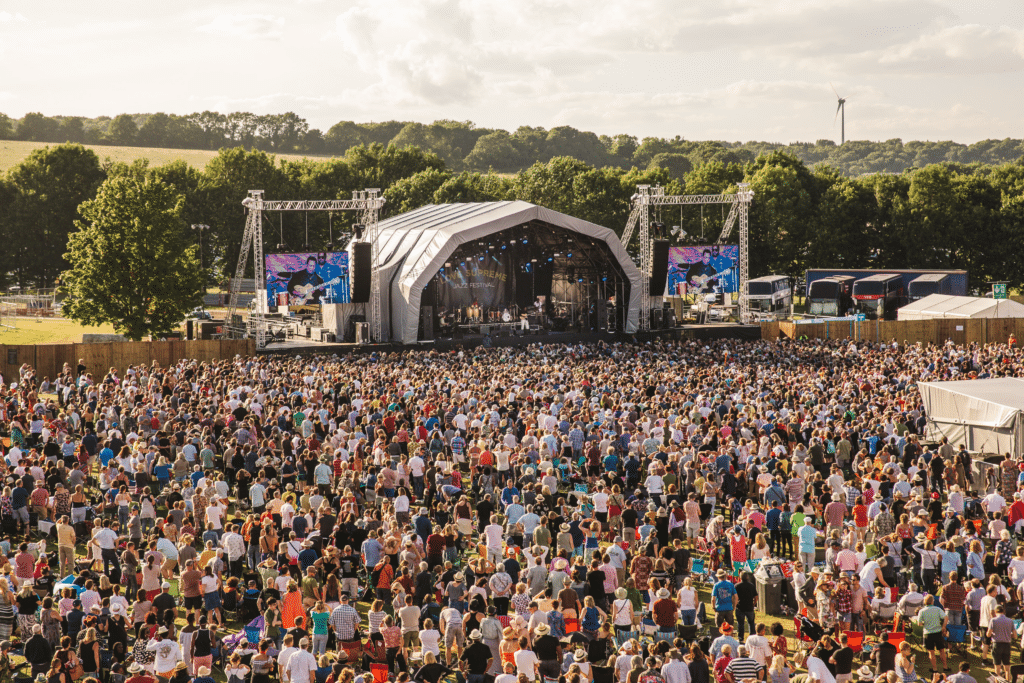
A dedicated Priority from O2 zone underlines how central rewards have become to the operator’s pitch. Priority gives customers early access to event tickets, typically 48 hours before general sale, alongside regular giveaways and offers. Virgin Media O2 frames the programme as worth meaningful annual savings for an engaged member, and it has extended access to Virgin Media customers as well as O2 mobile users.
Our advice is to treat rewards as a tie-breaker, not a reason to buy. Priority is genuinely useful if you go to a lot of gigs, but it should not pull you onto a more expensive tariff than you need. The maths still starts with the monthly price, the data allowance and the contract length; perks come after. If you are comparing operators on fundamentals, our Vodafone versus O2 comparison for 2026 and our EE versus Three head-to-head are the better starting points than any in-store reward wall.
The National Databank and the digital-divide angle

The most quietly important feature is that the store is a National Databank hub. The National Databank, run with the Good Things Foundation, gives free mobile data to people who cannot afford to get online, and having a physical collection point inside a flagship store is a genuinely useful bit of public service. Ofcom’s own research has repeatedly flagged that a stubborn share of UK households still struggle with data affordability, and a store that addresses that head-on is doing more than selling contracts.
It is fair to be a little sceptical about the corporate halo here, but the practical effect is real: someone who needs data can walk in and get it. That sits alongside a broader industry conversation about screen time and digital wellbeing, where the same operators that sell connectivity are increasingly talking about using it more healthily. The combination of a sales floor and a databank in one space is an unusual, and on balance welcome, mix.
It is worth knowing your rights as a customer here too. Data poverty support is not means-tested in the way some assume; the National Databank is designed to be low-friction precisely because the people who need it most are often the least able to navigate paperwork. If you, or someone you know, is rationing mobile data to make it last the month, a hub like this is a practical first port of call. That is a genuinely different proposition from the upsell most of us expect when we walk into a network’s flagship store, and it is the part of the Westfield format we would most like to see other operators copy.
Sustainability: more than a press-release line?
Virgin Media O2 says the store was built with recycled and responsibly sourced materials, smart LED lighting and low-energy screens. These claims are now standard in retail design, and they are easy to make and hard to verify from the shop floor. We would take them as a reasonable baseline rather than a headline reason to visit, and note that the bigger environmental questions in telecoms, device churn, trade-in and repair, matter far more than the lighting in one store.
That said, a store designed for hands-on demos can support better buying decisions, and a customer who keeps a handset for four years instead of two has done more for the planet than any low-energy screen. The format at least nudges in a sensible direction by encouraging people to try before they upgrade. The connected-home angle matters here too, and our guide to Matter 1.4 for the UK smart home covers how to build a setup that lasts rather than one you replace every year.
How it compares with EE Studios and Sky’s stores

Virgin Media O2 is not alone in rethinking the high street. EE has pushed its EE Studios concept, broadening from phones into wider connected-tech and gaming experiences, and Sky has its own experience-led retail spaces. The common thread is operators trying to justify physical stores in an age of online switching by making them places you visit for an experience, not just a transaction. On that measure, the Westfield store is a credible entry, with the gaming and broadband demos doing the heavy lifting.
The competitive reality is that the contracts behind the demos still have to stack up. A beautiful store does not change the fact that EE, Vodafone and Three are all chasing the same customers on price and coverage. Before you are swayed by a showroom, it is worth checking how the networks actually compare, which is what our EE versus Vodafone comparison and our coverage of the latest EE 5G network upgrades are for. The store is the wrapper; the network is the product.
Is it worth a trip?
If you are already heading to Westfield, the store is worth twenty minutes, especially to try the gaming and broadband demos or to see connected tech you would otherwise only read about. If you are specifically shopping for a contract, go in informed: know the price you are willing to pay and the data you need, and use the demos to test quality rather than to be talked up a tier. The National Databank point alone makes it a more civic-minded space than the average phone shop.
One practical tip is to check current online deals on your phone before you walk in, then ask the in-store team to match or beat them. UK operators frequently run web-only prices, and a salesperson with a sales target is more likely to find a better number when they know you have done your homework. The summer sale offers that Virgin Media O2 promotes, including inclusive roaming across dozens of countries, are worth holding up against what you can get on the open market rather than accepting at face value. A store visit and a price comparison are not mutually exclusive, and the most satisfied customers we hear from do both. Treat the showroom as research, and let the numbers, not the lighting, decide.
Frequently asked questions
Where is the Virgin Media O2 Westfield store and when did it open?
It is on the first floor of Westfield London at White City and opened on 22 May 2026. It spans more than 3,860 square feet.
What can you actually do in the store?
It is split into discovery zones: Gamers Paradise for low-latency gaming, a TV and broadband area, a Meta Zone for mixed-reality and smart glasses, and a Priority from O2 rewards space, all designed for hands-on demos.
What is the National Databank hub?
The store doubles as a National Databank collection point, giving free O2 mobile data to people experiencing data poverty, as part of the scheme run with the Good Things Foundation.
Should I buy a contract there?
Use it to test quality, not to be upsold. Decide your budget and data needs first, compare networks on price and coverage, and treat the demos and rewards as a tie-breaker rather than the deciding factor.
Our verdict
The Westfield White City store is a genuinely good version of the experiential format: hands-on demos that help you judge gaming and broadband quality, a real community role through the National Databank, and a design that nudges people to try before they upgrade. We would happily recommend a visit, with one caveat: the store is the wrapper, and the contract is still the product. Walk in knowing your budget and data needs, test the demos for quality rather than letting them sell you up a tier, and compare the networks on price and coverage before you commit. As retail theatre with a civic streak, it works; as a reason to sign on the spot, keep your head.
Buyer action
Where to buy or check next
Use this as the final check before ordering a phone, changing network or trusting a headline monthly price.








Reader discussion
Leave a comment
Comments are moderated. Keep it useful, accurate, and on topic.