
News · 9 Jun 2026 · Claire Bennett
Meta Cannes Film Festival 2026 was the company’s biggest push yet into film and creator culture, and for UK creators it was far more than a celebrity photo opportunity. As an Official Partner of the Festival de Cannes for the first time, Meta turned the Majestic Hotel into “Meta House”, handed a roster of creators a pair of Ray-Ban Meta glasses, and used the world’s most prestigious film event to showcase the tools it wants the next generation of storytellers to build on. Strip away the red carpet and what is left is a clear pitch to British indie filmmakers, short-form creators and ad agencies about where Meta thinks creative work is heading.
- What it was: Meta joined the Festival de Cannes as an Official Partner for the first time, under a multi-year deal, from 12 to 19 May 2026.
- The hub: “Meta House” at the Majestic Hotel hosted creators, demos and the Palme d’Or, which is crafted by Chopard.
- The tool on show: AI Translations on Reels, which dub and lip-sync a creator’s Reel into nine supported languages.
- UK faces: London culture creator Zainab Jiwa and UK fashion voices Lola Clark and Victor Kunda were among the global roster.
- The tension: Cannes kept its red-carpet “no selfies” rule even with Meta as a sponsor, and the partnership drew criticism.
What Meta Cannes Film Festival 2026 actually delivered
According to Meta’s own announcement, the partnership was built around three things: presence, creators and product. Presence was Meta House, a base inside the Majestic Hotel where the company hosted programming and displayed the Palme d’Or, the festival’s top prize, which Chopard crafts in 18-carat ethical yellow gold. Creators were a global roster of filmmakers, photographers and culture commentators given behind-the-scenes access. Product was the quieter but more important part: a set of features Meta wants creators to use long after the festival lights go down.
TikTok creator Reece Feldman was among the first to report from the carpet wearing Ray-Ban Meta glasses, interviewing arriving talent hands-free. That image, a creator filming a film festival through smart glasses, is the whole strategy in a single frame. Meta is not trying to make films; it is trying to own the layer where creators capture, edit and distribute everything around them. For a fuller picture of how those glasses fit into Meta’s plans, our guide to Meta AI glasses for UK business and creators is the place to start.
The creator stack on show: Reels, editing and smart glasses
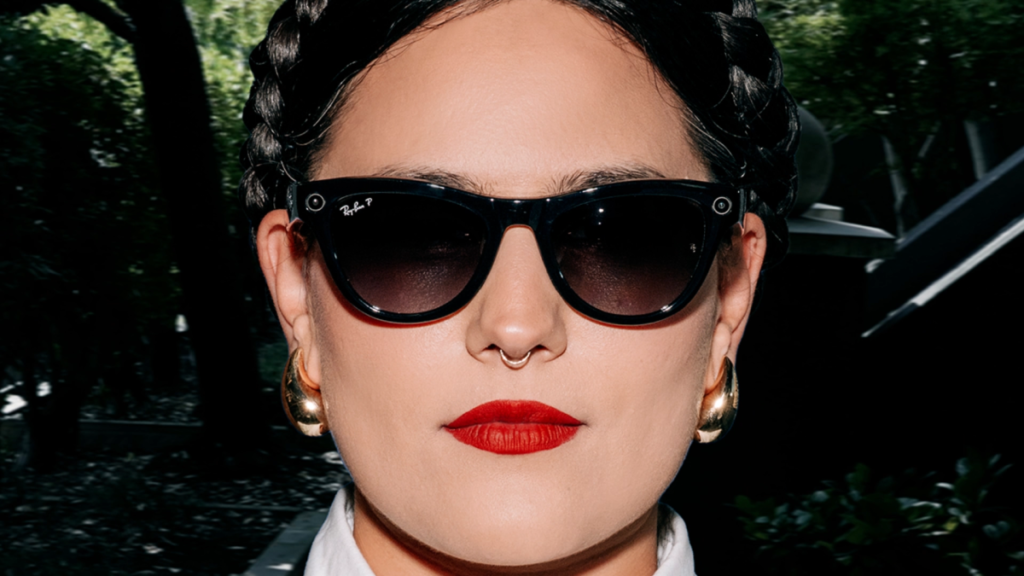
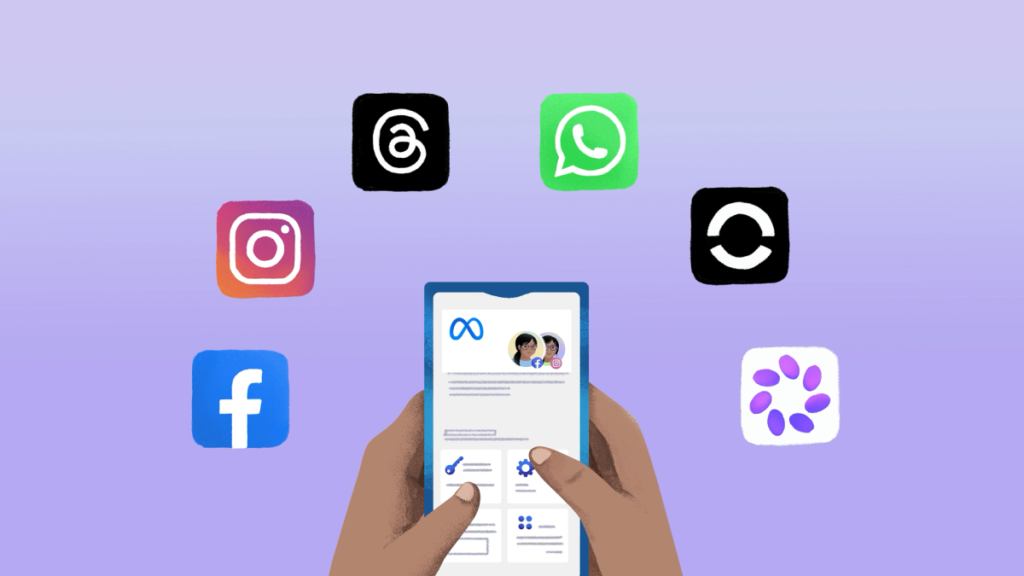
The pieces Meta put forward form a connected stack. Ray-Ban Meta glasses capture point-of-view footage; the company’s editing app handles the cut on a phone; Reels and Instagram distribute it; and Threads carries the conversation around it. None of these are new on their own. What Cannes was selling is the idea that they belong together, and that a UK creator with a phone and a pair of glasses can produce and publish content that looked, a few years ago, like it needed a small crew.
That is a genuine shift, and it is worth being clear-eyed about both sides. The upside is reach and speed for solo creators and tiny studios. The downside is dependence: building a workflow entirely inside one company’s apps is convenient until the terms, the algorithm or the monetisation rules change. We would treat Meta’s stack as one powerful option among several, not a religion. Creators investing in capture kit should also weigh standalone gear, as we did in our roundup of the best vlogging drones in the UK for 2026.
It is also worth separating the parts that are mature from the parts that are still selling a promise. Reels and Instagram are proven distribution; Threads is a younger network whose value for creators is still being established; and the editing and AI features vary in polish. A UK creator deciding where to spend their limited time should back the channels that already deliver an audience and experiment with the rest, rather than rebuilding an entire workflow on the strength of a festival demo. Cannes is a shop window, and shop windows always show the best version of the product.
Why UK indie filmmakers should pay attention
The UK has a deep bench of independent filmmakers and short-form creators who live and die by distribution. Featuring London culture creator Zainab Jiwa and UK fashion voices Lola Clark and Victor Kunda was not an accident: Britain is one of Meta’s most valuable creator markets, and short-form video is where many UK careers now begin. For a filmmaker without a distributor, a strong Reels presence can do what a festival slot used to do, namely put work in front of an audience and the people who commission it.
The honest caveat is that visibility on Meta’s platforms is rented, not owned. Reach can be throttled, formats can be deprioritised, and the rules around political or branded content can change overnight. The smart UK creators we have spoken to treat Reels and Threads as a shop window while keeping an owned channel, a mailing list or a website, that no platform can switch off. If you are weighing how much of your toolkit to put behind one company, our look at what AI tools really cost UK households is a useful reality check on subscription creep.
AI translation and the reach problem
The single most practical product Meta highlighted was AI Translations on Reels. According to Meta, the feature lets creators on Facebook and Instagram automatically dub and lip-sync their Reels into nine supported languages. For a UK creator, that is the difference between speaking to a domestic audience and speaking to Europe and beyond without re-recording a word. A cookery creator in Manchester or a fashion voice in London can, in principle, reach French, Spanish and German viewers in their own languages from a single upload.
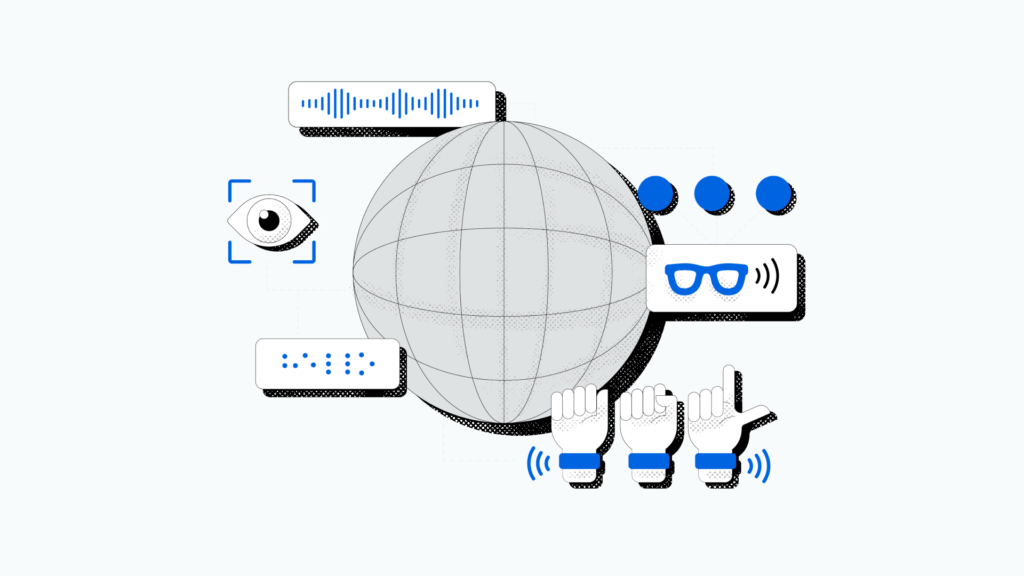
We would still test it before relying on it. Automated dubbing and lip-sync are improving fast, but tone, idiom and comic timing are exactly the things machine translation tends to flatten, and a clumsy dub can do more harm to a brand than no dub at all. The same AI features that power translation are also reshaping accessibility, captioning calls and describing scenes, which matters for creators who want their work to reach disabled audiences. Treat the nine-language claim as a real opportunity with a quality-control catch, not a finished product.
The advertising angle for UK agencies
Cannes is as much an advertising festival as a film one, and that is where the business case sits for UK agencies. Meta’s pitch to brands is that AI tools can spin up, translate and localise ad creative at a speed traditional production cannot match. For a UK agency, the appeal is obvious; the catch is governance. Generated and translated ad content still has to clear the Advertising Standards Authority’s rules on misleading claims, and AI-altered imagery is an area regulators are watching closely. Agencies leaning into Meta’s automated creative tools need a human sign-off step, not blind trust in the output.
There is a brand-safety dimension too. Putting a household name next to AI-generated or auto-translated content carries reputational risk if the result misfires, and clients will rightly ask who is accountable when it does. The agencies that win here will be the ones that use Meta’s speed without surrendering their judgement, and that keep a clear paper trail showing a human approved every claim before it ran. That discipline is what separates a fast campaign from a regulatory headache. For the wider context of how Meta is positioning AI across its apps this season, our weekly digest in this week in UK tech tracks the run of announcements.
The rules UK creators cannot ignore
British creators operate under rules that do not apply in every market Meta serves. Branded content must be clearly labelled under ASA guidance, and the Online Safety Act has raised the stakes for anyone publishing to a UK audience, particularly around content that can reach under-18s. Meta’s creator tools make publishing frictionless, but they do not absolve the creator of responsibility for disclosure, age-appropriate design or data handling. If your content touches younger viewers, our guide to Meta’s teen-safety tools is worth reading before you build an audience there.
Privacy is the other quiet obligation. Filming bystanders through Ray-Ban Meta glasses, or feeding follower data into AI features, brings UK GDPR into play in ways many creators never consider. We would not let the glamour of a Cannes launch distract from the basics, and the privacy settings worth checking across Meta’s apps apply just as much to creators as to ordinary users. The same caution extends to how private your messaging really is when you run a business through these platforms.
The backlash, and why it is not just noise
Meta’s arrival at Cannes was not universally welcomed. Critics questioned whether an AI and advertising giant belongs at an event built on auteur cinema, and the festival pointedly kept its long-standing ban on red-carpet selfies even with Meta as a sponsor. That tension is healthy. It is a reminder that Meta’s tools are a means, not an end, and that the film and creator community still sets its own cultural terms. UK creators can take the useful parts of Meta’s stack, the reach, the translation, the capture kit, without buying the whole narrative.
The deeper unease is about AI’s role in creative work itself. Many filmmakers worry that the same automation that helps a solo creator translate a Reel can also be used to cut human craft out of the process entirely. That is a debate the industry will be having for years, and a single festival partnership does not settle it. Our reading is that the practical tools on show at Cannes are useful today, while the bigger questions about authorship, consent and machine-made content remain genuinely open, and UK creators are right to keep asking them rather than waiting for Meta to answer on their behalf.
Frequently asked questions
What did Meta announce at Cannes 2026?
Meta became an Official Partner of the Festival de Cannes for the first time under a multi-year deal, ran a “Meta House” hub at the Majestic Hotel, and showcased creator tools including AI Translations on Reels and Ray-Ban Meta glasses, from 12 to 19 May 2026.
What is AI Translations on Reels?
It is a Meta feature that automatically dubs and lip-syncs a creator’s Reel into nine supported languages on Facebook and Instagram, aimed at helping creators reach audiences beyond their home market without re-recording.
Which UK creators were involved?
Meta’s global roster included London culture creator Zainab Jiwa and UK fashion voices Lola Clark and Victor Kunda, alongside creators from France, Italy, Spain and Belgium.
What rules apply to UK creators using these tools?
UK creators must still follow ASA rules on labelling branded content, the Online Safety Act’s duties around younger audiences, and UK GDPR when filming bystanders or using audience data in AI features.
Our verdict
Behind the Cannes glamour, Meta made a serious and largely useful pitch to UK creators: capture with glasses, edit on a phone, translate into nine languages and distribute at scale. We would take the practical wins, especially AI translation and faster localisation, while keeping a clear head about the costs: platform dependence, quality control on automated dubbing, and real UK obligations under the ASA, the Online Safety Act and GDPR. Use Meta’s stack as a powerful shop window, not your only storefront, and keep an owned channel that no algorithm can switch off. For UK indie creators and agencies, this is an opportunity worth taking on your own terms.
Buyer action
Where to buy or check next
Use this as the final check before ordering a phone, changing network or trusting a headline monthly price.










Reader discussion
Leave a comment
Comments are moderated. Keep it useful, accurate, and on topic.