
News · 9 Jun 2026 · Daniel Reid
Matter 1.4 is the smart-home update that finally starts to deliver on the promise the standard made when it launched: that your devices should just work together, whatever badge is on the box. For UK homes, the most important changes in this release are practical rather than flashy. Matter 1.4 brings energy hardware into the fold, makes living with more than one voice assistant far less painful, and tidies up the wireless plumbing that holds a modern smart home together. Here is what actually changes, what it means for a British household, and what to check before you buy.
The key facts
- Matter 1.4 adds support for new device types including heat pumps, home battery storage and solar panels.
- Enhanced multi-admin makes it much easier to use one device across Apple, Google and Amazon ecosystems at once.
- Thread border router compatibility is improved, making the underlying mesh network more reliable.
- Security cameras are still not part of Matter; that support was delayed and is not in 1.4.
- The standard is governed by the Connectivity Standards Alliance, whose members include Apple, Google, Amazon and Samsung.
What Matter 1.4 actually adds
The most consequential change for UK homes is energy. Matter 1.4 introduces support for device categories that matter enormously here: heat pumps, home battery storage and solar panels. As more British households install solar and move off gas boilers, the ability to bring those systems into a single, standardised smart-home view, rather than a separate app for every brand, is a genuine step forward. It lays the groundwork for the kind of joined-up energy management, shifting usage to when your panels are generating or your battery is full, that has been promised for years but rarely delivered cleanly across brands.

Alongside the energy additions, the release refines existing device support and improves how reliably accessories pair and stay connected. None of this is glamorous, but reliability is exactly what has held the smart home back from the mainstream. A light that occasionally drops off the network or a sensor that needs re-pairing is the difference between a household that trusts its smart home and one that quietly stops using it. Matter 1.4 is squarely aimed at that trust problem, and it is the right thing to fix.
Enhanced multi-admin: the headache it removes
If you have ever tried to use the same smart plug with both Alexa and Apple Home, you will know the frustration this fixes. Enhanced multi-admin is the standout feature for real households, because it makes controlling a single device from multiple ecosystems far less fiddly. In a typical UK home, one person lives in the Google or Amazon world while another is deep in Apple’s, and until now sharing devices between those camps has been clumsy. Matter 1.4 smooths that handover, so a device added to one platform is easier to bring into another without starting from scratch.

The practical upshot is freedom of choice. You should be able to buy the best device for the job rather than the one that happens to match your assistant, and then control it from whichever app each member of the household prefers. That is the whole point of Matter, and 1.4 gets meaningfully closer to it. For anyone weighing how the assistants themselves compare, our look at whether Gemini is worth it in the UK is a useful companion, since the voice layer increasingly shapes the smart-home experience.
Thread, border routers and why reliability improves
Underneath the friendly app layer, many Matter devices talk over Thread, a low-power mesh network that lets battery devices like sensors and locks relay through each other rather than each clinging to your Wi-Fi. Thread needs a border router to bridge that mesh to the rest of your network, and these routers are built into hubs and speakers you may already own. Matter 1.4 improves border router compatibility and coordination, which in plain terms means a more stable mesh and fewer of the dropouts that plague larger setups.
For a UK buyer, the lesson is to make sure you have at least one good Thread border router in your home, ideally more than one for a larger property. Many current smart speakers and TV streamers include one, so you may already be covered. The more border routers you have spread around the house, the more robust the mesh, and Matter 1.4’s improvements make that mesh behave better than before. It is the kind of behind-the-scenes upgrade that you never see but always feel.
What Matter 1.4 still does not do
Honesty matters here, because the standard is still a work in progress. The biggest absence is cameras: security camera support was expected but has been delayed, and it is not part of Matter 1.4. If a unified, cross-platform camera experience is your priority, you will still be tied to a manufacturer’s own app and ecosystem for now. Likewise, Matter support being present in a device does not always mean every one of its features is exposed through Matter; advanced functions sometimes remain locked to the maker’s own app.

Our advice is to treat Matter as a strong and improving foundation rather than a finished guarantee. Check the specific features you care about before buying, not just the Matter logo on the box. The standard is moving in the right direction at a steady pace, and 1.4 is one of its more useful releases, but the smart home is still a place where reading the small print pays off. For the wider context on where the big platforms are taking the connected home, our recap of Google’s I/O 2026 features and our overview of Android 17 are worth a read.
Which brands and devices support it in the UK
Support for a new Matter version never arrives everywhere at once, and that is the part UK buyers most need to understand. The big platform owners, Apple Home, Google Home, Amazon Alexa and Samsung SmartThings, all sit on the Connectivity Standards Alliance board, so their hubs and apps are typically among the first to recognise new Matter capabilities. Device makers then follow at their own pace, rolling 1.4 features out through firmware over the months after the specification lands. In practice that means the controller side, your phone app and hubs, usually moves faster than the accessory side, so do not be surprised if your app understands a new device type before you can actually buy a UK product that uses it.
For everyday hardware, the safest path is to buy from established brands that have a track record of shipping Matter updates rather than promising them. A smart speaker or TV streamer that doubles as a Thread border router is a particularly good anchor purchase, because it strengthens your network while giving you a controller, and many UK living rooms already have a qualifying device next to the television. As more 1.4-ready energy and lighting products reach British retailers, that foundation lets you add them with minimal fuss. If you lean on Google’s assistant to run routines, our walkthrough on using Gemini day to day shows how the AI layer increasingly ties the whole setup together.
How to get the most from Matter 1.4 in your home
If you want to take advantage of the update, here is the practical checklist we would follow:
- Update your hubs and devices: Matter improvements arrive through firmware, so make sure your hubs, speakers and accessories are on the latest software.
- Audit your border routers: confirm you have at least one Thread border router, and ideally several spread across a larger home for a stronger mesh.
- Check device support pages: manufacturers list which Matter features each product exposes; confirm the functions you need are actually supported.
- Plan energy devices carefully: if you have solar or a home battery, check whether your specific kit supports the new Matter 1.4 energy categories before relying on them.
- Use multi-admin deliberately: add shared devices to each household member’s preferred app rather than forcing everyone onto one ecosystem.
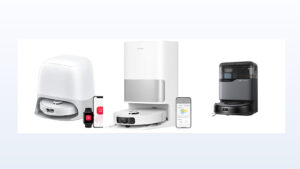
That measured approach gets you the reliability benefits without the disappointment of assuming every feature works everywhere. If you are building out a smart home from scratch, pairing a solid hub with well-supported devices like a capable robot vacuum, such as the Roborock Saros 10, is a sensible way to start, and you can expand confidently from there as more Matter 1.4 hardware reaches the UK.

Our verdict on Matter 1.4
Matter 1.4 is the most useful release the standard has had for ordinary UK households, precisely because it targets the things that actually frustrate people: energy devices left out in the cold, the pain of juggling two assistants, and a mesh network that was not quite reliable enough. We would not rush out to replace working kit just to chase the new version, but we would absolutely factor Matter 1.4 support into any new smart-home purchase from here on, especially for energy hardware and anything you want to share across ecosystems. Keep your expectations grounded, cameras are still missing, check feature support before you buy, and you will get a smart home that is steadily easier to live with. The standard is not finished, but with this release it is finally pulling in the right direction for the way British homes are actually built and powered. The honest summary is that Matter has moved from a promising idea to a foundation worth building on, and 1.4 is the version where that shift becomes obvious. If you have held off on a serious smart-home investment while the standard matured, this is a reasonable moment to start, provided you buy from brands that keep their firmware current and you treat the energy and camera gaps as known limitations rather than dealbreakers.
Matter 1.4 for UK smart homes: FAQ
Buyer action
Where to buy or check next
Use this as the final check before ordering a phone, changing network or trusting a headline monthly price.









Reader discussion
Leave a comment
Comments are moderated. Keep it useful, accurate, and on topic.