

The best UK full-fibre broadband deals for June 2026 come down to a three-way fight between BT, EE and Vodafone, and the gap between the cheapest and the most expensive gigabit plan is now wide enough to be worth hundreds of pounds over a contract. All three sell genuine Full Fibre (FTTP) connections capable of roughly 900Mbps to 1Gbps, but they price, package and raise those plans very differently. This comparison sticks strictly to full-fibre gigabit tiers, names a winner in each round, and ends with a clear pick for most households.
The key facts
- Vodafone Full Fibre 910 is the cheapest gigabit option at around £23 a month on a 24-month contract.
- EE Full Fibre 900 costs around £43.99 a month but ships premium Wi-Fi hardware and advanced controls.
- BT leans on sign-up sweeteners such as £120 Mastercard reward cards to offset a higher monthly price.
- BT and EE bake in annual mid-contract price rises; Vodafone uses a flat £3.50-a-year increase that is easier to predict.
- This guide compares Full Fibre (FTTP) only, not part-fibre FTTC lines, which top out far below gigabit speeds.
The deals side by side
| Provider and plan | Headline speed | Monthly price | Price-rise model | Standout extra |
|---|---|---|---|---|
| Vodafone Full Fibre 910 | ~910Mbps | ~£23/month (24 months) | Flat £3.50/year | Lowest price, simple billing |
| EE Full Fibre 900 | ~900Mbps | ~£43.99/month | Annual percentage-style rise | Smart Hub Plus, advanced Wi-Fi controls |
| BT Full Fibre 900 | ~900Mbps | ~£42-£45/month | Annual percentage-style rise | £120 Mastercard reward card, Complete Wi-Fi |
The table tells most of the story: Vodafone undercuts both rivals dramatically on the monthly price, while EE and BT charge a premium and try to justify it with hardware and rewards. The question each round answers is whether that premium is ever worth it. If you are weighing a fixed line against a wireless alternative first, our look at Vodafone 5G Home Broadband covers the case for homes that cannot get fibre at all.

Round 1: Monthly price
This one is not close. Vodafone Full Fibre 910 at roughly £23 a month is nearly half the price of EE and BT’s gigabit plans at £42 to £44. Over a 24-month contract, that difference is around £480 before any price rises are applied. For a household that simply wants the fastest connection for the least money, Vodafone wins this round comfortably and sets the bar the others have to clear. Even allowing for introductory offers on EE and BT, Vodafone’s standard price stays lower than the rivals’ discounted ones. Round winner: Vodafone.
Round 2: Real-world speed
On paper these plans are near-identical: Vodafone quotes around 910Mbps, EE and BT around 900Mbps, all delivered over the same Openreach FTTP network in most areas. In practice, gigabit-class fibre from any of the three will saturate a home’s needs many times over. A single 4K stream needs about 25Mbps, so even a busy household running several streams, calls and large downloads at once is rarely past 200Mbps. The honest verdict is that the speed difference between these three is academic for the vast majority of homes. Because they ride the same physical network and the numbers are within a rounding error, this round is a genuine tie. Round winner: Tie.

Round 3: Router and Wi-Fi hardware
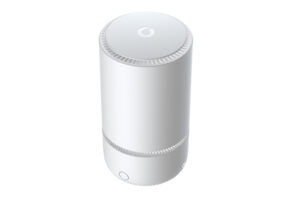
Here is where the premium providers earn some of their money back. EE’s Smart Hub Plus and BT’s equivalent ship with stronger Wi-Fi, better band steering and, crucially, app-based controls and mesh options for larger homes. EE in particular pushes advanced controls, with per-device limits, profiles and built-in security features that parents value. Vodafone’s Pro II hardware is competent and includes a 4G backup option on higher tiers, but the EE and BT kit edges ahead for whole-home coverage in larger or awkwardly shaped properties. If your home has thick walls or three floors, the better router matters more than the price gap suggests. Round winner: EE.
Round 4: Contracts and the price-rise trap
This is the round most buyers overlook, and it can quietly reshape the whole comparison. BT and EE both bake annual mid-contract increases into their deals, so the price you sign up to is not the price you pay in year two. Vodafone has moved to a flat £3.50-a-year increase on these plans, which is far easier to predict and budget for than a percentage rise applied to a higher starting price. Over two years, a predictable small increase on a £23 base is dramatically cheaper than a percentage rise on a £43 base. When you model the true two-year cost rather than the headline monthly figure, Vodafone’s lead widens rather than narrows. Round winner: Vodafone.

Round 5: Sign-up extras and rewards
BT fights back hardest here. Its £120 Mastercard reward card is a genuine sweetener that, spread across a contract, offsets a chunk of the higher monthly price, and BT frequently bundles Complete Wi-Fi guarantees and occasional subscription perks. EE leans on entertainment, with EE TV bundling and add-ons such as sport via DAZN for households that want broadband and telly from one provider. Vodafone’s extras are thinner, which is the trade-off for the low price. If you value a chunky cashback card or a TV bundle and will actually use it, BT takes this round. Round winner: BT.
Round 6: Availability and support
Because all three largely use the Openreach network, availability at a given postcode is broadly similar, though Vodafone’s full-fibre footprint has historically trailed BT and EE in a handful of areas, so always run a postcode check before deciding. On support, BT and EE both score well in independent UK customer-service surveys, with EE consistently rated among the strongest networks overall. Vodafone’s service reputation has improved but still sits a touch behind on some measures. For buyers who weigh after-sales support heavily, the premium pair have a slight edge. Round winner: EE.

Who each provider suits best
Vodafone is the value champion and the right call for the largest group of buyers: anyone whose priority is the lowest reliable monthly cost for genuine gigabit fibre. Renters, cost-conscious families and people comfortable using their own mesh kit if needed will get the most from it. The flat annual increase is a quiet but real advantage for anyone who hates nasty surprises on the bill, and on a £23 base the long-term total is hard for either rival to beat. If price is the deciding factor, the decision starts and usually ends here.
EE earns its premium in two specific situations: large or multi-storey homes where the Smart Hub Plus and mesh options genuinely improve coverage, and households that want broadband, TV and mobile from a single, top-rated provider. EE’s consistent showing in UK customer-service rankings is worth something to buyers who have been burned by poor support before, and the advanced parental and security controls are a real draw for families with children online. You pay more, but you can point to what the money buys.
BT makes the most sense for buyers who value its reward card and Complete Wi-Fi guarantee and will actually redeem them. It is also a safe, familiar default for less technical households who want a big, established name and reliable engineer support. The catch is that, once the sign-up sweeteners are spent, BT’s underlying price sits close to EE’s without quite matching EE’s hardware edge, so it works best as a deal-led choice when a strong promotion is live rather than as a full-price purchase.
Where to buy and check prices in the UK
Broadband pricing shifts with promotions, so confirm the live figure before you commit (prices last checked 9 June 2026):
- Vodafone: vodafone.co.uk/broadband lists Full Fibre 910 from around £23/month; check the postcode availability tool first.
- EE: ee.co.uk/broadband shows Full Fibre 900 around £43.99/month with the Smart Hub Plus included.
- BT: bt.com/broadband runs Full Fibre 900 around £42-£45/month, often with a £120 Mastercard reward card promotion.
- Comparison sites: Uswitch and MoneySavingExpert track the live deals and any exclusive cashback that beats the providers’ own pages.
- Ofcom: use Ofcom’s broadband and coverage checkers to confirm full-fibre availability at your address before signing.
It is worth comparing these against each provider’s mobile offering too, since bundling can unlock extra savings. Our EE versus Vodafone, Vodafone versus O2 and EE versus Three guides break down the mobile side, and the Virgin Media O2 guide is worth a look if cable fibre reaches your street. If you are trimming monthly costs across the board, our advice on cutting subscription costs pairs well with a broadband switch.

Final verdict: which gigabit deal wins?
Add the rounds up and Vodafone wins two of the most important (price and the price-rise model), ties on speed, and only loses where the premium providers spend money on hardware and perks. For the clear majority of UK households, Vodafone Full Fibre 910 is the right buy: it is the cheapest gigabit plan, its flat annual increase keeps the long-term cost predictable, and its speed is indistinguishable from rivals on the same Openreach network. EE is the pick for larger homes that need the strongest Wi-Fi and value top-rated support, and BT makes sense only if the £120 reward card and Complete Wi-Fi genuinely change the maths for you. Run your postcode through all three, model the two-year cost rather than the headline price, and most readers will land on Vodafone. The one caveat worth repeating is coverage: a deal you cannot actually order is no deal at all, so let the postcode checker, not the headline price, have the final word. If Vodafone full fibre is not live on your street yet, EE is the next-best all-rounder and BT the fallback when a strong reward-card promotion is running.
Our score: 9/10 (Vodafone Full Fibre 910)
Our score: 8/10 (EE Full Fibre 900)
Our score: 7.5/10 (BT Full Fibre 900)















Reader discussion
Leave a comment
Comments are moderated. Keep it useful, accurate, and on topic.