
News · 9 Jun 2026 · Daniel Reid
Siri AI UK availability is the most consequential thing Apple announced at WWDC 2026, and for once Britain is on the right side of the rope. At its keynote on 8 June, Apple unveiled iOS 27 and a rebuilt Siri that runs on Google Gemini, understands what is on your screen, and remembers what you asked it earlier. As Apple’s UK newsroom frames the autumn software wave, the headline is not the operating system but the assistant. The twist that matters most here is geographic: because the UK sits outside the European Union, UK iPhone owners are set to get the flagship Siri AI feature this autumn while EU users are blocked at launch. We have tracked every twist of this saga in our WWDC 2026 UK preview, and the post-keynote reality is sharper than the rumours suggested.
- Apple announced iOS 27, iPadOS 27, macOS 27, watchOS 27, tvOS 27 and visionOS 27 at its WWDC 2026 keynote on 8 June 2026.
- “Siri AI” is a rebuilt, Gemini-powered assistant with system-wide personal context, on-screen awareness and a standalone app, using on-device processing plus Apple’s Private Cloud Compute.
- Siri AI will not be available on iPhone or iPad in the EU at launch, with Apple citing the EU Digital Markets Act. UK users are set to get it this autumn.
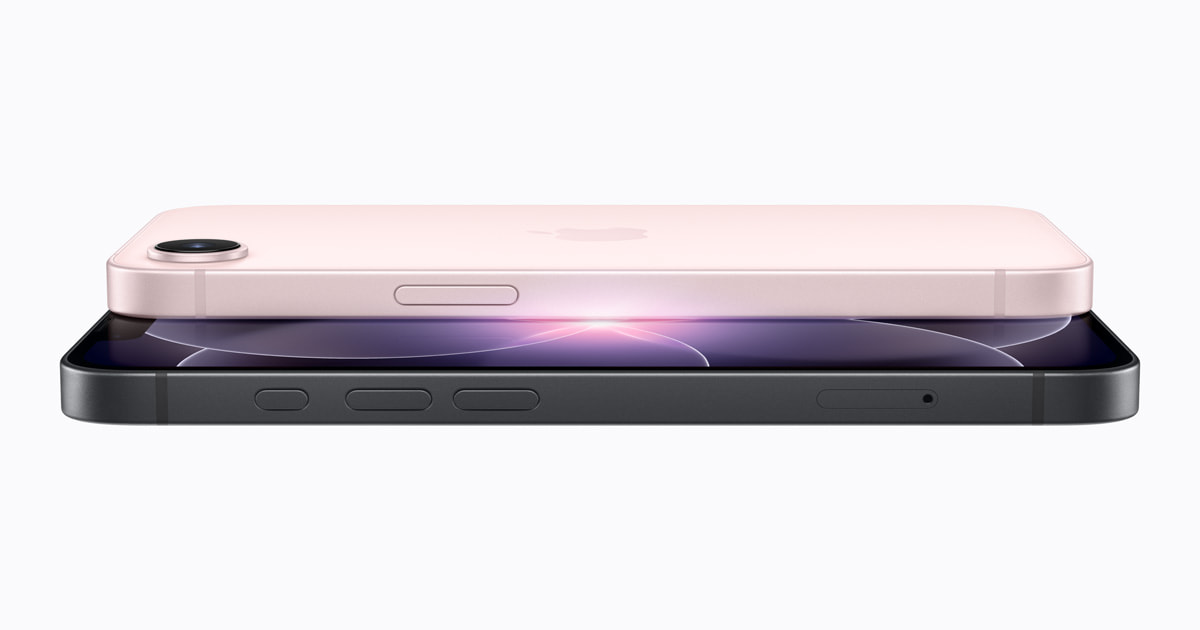
- Siri AI requires iPhone 15 Pro, 15 Pro Max, or the iPhone 16 or iPhone 17 series. Older iPhones get base iOS 27 but not Siri AI.
What Apple actually announced at WWDC 2026
The 8 June keynote was a software show, and Apple ran through the full slate: iOS 27, iPadOS 27, macOS 27, watchOS 27, tvOS 27 and visionOS 27. But the structure of the event told you where the centre of gravity now sits. iOS 27 itself is, by Apple’s own framing, largely an efficiency release. The promises are smoother animations and faster app startup rather than a wall of new features, which is the kind of restraint Apple tends to reach for after a year of heavy lifting. As TechCrunch reported from the keynote, the operating system updates were the supporting act. The star was the assistant, and the assistant is now called Siri AI.
That reframing has been a long time coming. Apple spent the previous two years promising a smarter Siri and then quietly slipping the timeline, a pattern we tracked in detail in our Apple Intelligence delay audit. WWDC 2026 is the company finally putting a finished, shipping product on the table rather than a sizzle reel. For anyone who watched the keynote live, as it was covered by Bloomberg, TechCrunch and Engadget, the relief was that the demos were of software people will actually be able to download this autumn, not a roadmap with an asterisk.
What Siri AI does, and why Gemini is under the hood
Siri AI is not a coat of paint on the old voice assistant. It is a rebuild with deep, system-wide personal-context understanding and genuine on-screen awareness, housed in a standalone app as well as working across your existing apps. It can answer general-knowledge questions using information from the web, understand what is currently on your screen, and refer back to previous conversations rather than treating every request as a blank slate. The thing that makes it work is the model behind it: Siri AI runs with Google Gemini under the hood, using on-device processing for lighter tasks and Apple’s Private Cloud Compute for anything heavier.
The Gemini partnership is the headline most people outside the keynote room fixated on, and understandably so. Apple has spent a decade insisting it does everything in-house, so leaning on Google’s model for the brain of its flagship assistant is a genuine philosophical shift. If you have been weighing Gemini on its own merits, our verdict on whether Gemini is worth it in the UK is a useful companion read, because the model now sits at the heart of both Google’s and Apple’s consumer AI. The split-processing design matters too: on-device handling keeps routine requests private and fast, while Private Cloud Compute is Apple’s answer to the obvious question of how a Gemini-powered Siri stays consistent with Apple’s privacy posture. For the broader strategic picture, our take on Apple’s gen-AI moment at WWDC 2026 sets out why this was the keynote Apple could not afford to fumble.
The UK advantage: why the EU is blocked and Britain is not
Here is the part that should make UK readers sit up. Siri AI will not be available on iPhone or iPad in the European Union at the iOS 27 and iPadOS 27 launch, with Apple citing the requirements it faces under the EU’s Digital Markets Act. Because the UK is outside the EU, UK users are set to get the flagship Siri AI feature this autumn while EU users wait. For once, Britain’s post-Brexit regulatory position lands as a straightforward consumer win rather than a friction point.
Apple has signalled that it hopes to bring Siri AI to the EU eventually and that it intends to keep engaging with EU regulators on a path forward, but it has not given EU customers a date. We are deliberately not dressing that up as a verbatim executive quote, because Apple’s UK newsroom did not publish one we could confirm at the time of writing. The substance is what counts: the most ambitious assistant Apple has ever built will ship to UK iPhones this autumn and to EU iPhones at some unspecified later point, if at all in its current form. UK buyers comparing their options across the line-up will find our best iPhone UK 2026 guide the cleanest way to work out which model puts them on the right side of that divide.
It is worth being precise about what the Digital Markets Act actually changes. The DMA imposes interoperability and gatekeeper obligations that Apple says complicate how a deeply system-integrated assistant can be deployed in the EU. Whether you read that as genuine technical caution or as Apple making a point, the outcome for a UK reader is the same: you get the feature, and your friends in Dublin, Paris and Berlin do not, at least not on day one.
Which iPhones get Siri AI, and which miss out
Geography is only half the gate. Siri AI is hardware-locked in exactly the way Apple Intelligence has been, which means a chunk of the iPhone install base gets base iOS 27 and nothing more. The eligible devices are the iPhone 15 Pro, iPhone 15 Pro Max, and the entire iPhone 16 and iPhone 17 series. If you are carrying an iPhone 11, an iPhone 14, or even a standard iPhone 15, you will receive iOS 27 with its efficiency improvements but you will not get Siri AI.
That cut-off will frustrate the value-conscious. The cheapest route into Siri AI eligibility runs through Apple’s more affordable Pro-tier hardware and the newer mainstream models, and if you are budgeting, our breakdown of the iPhone 17e price and specs is the obvious starting point for anyone who wants the new assistant without paying Pro Max money. The practical takeaway is simple: check your model number before you get excited. An older iPhone will run iOS 27 perfectly well, but the marquee feature simply will not appear in your settings.
| What you have | Gets iOS 27 | Gets Siri AI |
|---|---|---|
| iPhone 11 / 14 / standard 15 | Yes | No |
| iPhone 15 Pro / 15 Pro Max | Yes | Yes |
| iPhone 16 series | Yes | Yes |
| iPhone 17 series | Yes | Yes |
| EU-based iPhone (any eligible model) | Yes | No, blocked at launch under DMA |
How Siri AI fits the wider iOS 27 and Apple line-up
Strip away the assistant and iOS 27 is a tune-up. Apple is leaning into performance: smoother animations, quicker app launches, the sort of under-the-bonnet polish that does not headline a keynote but does make a two-year-old iPhone feel newer. That is a deliberate choice. By keeping the OS itself light, Apple frees the narrative to be entirely about Siri AI, and it avoids the trap of overpromising on features that then slip. After the credibility hit of the last two years, shipping a smaller, more reliable OS update alongside one genuinely new flagship feature is the disciplined play.
The assistant also has to be judged against the competition, and the competition is fierce. Google has spent the past year pushing Gemini into every Android phone, every car and every Workspace app, and that aggressive rollout shapes UK expectations of what an assistant should do. If you want to understand the privacy trade-offs that come with any deeply personal AI assistant, our walkthrough of the Gemini app privacy settings UK users should check applies just as much to a Gemini-powered Siri as it does to Google’s own app. The same questions about on-screen awareness and personal context apply on both platforms, and Apple’s answer is Private Cloud Compute.
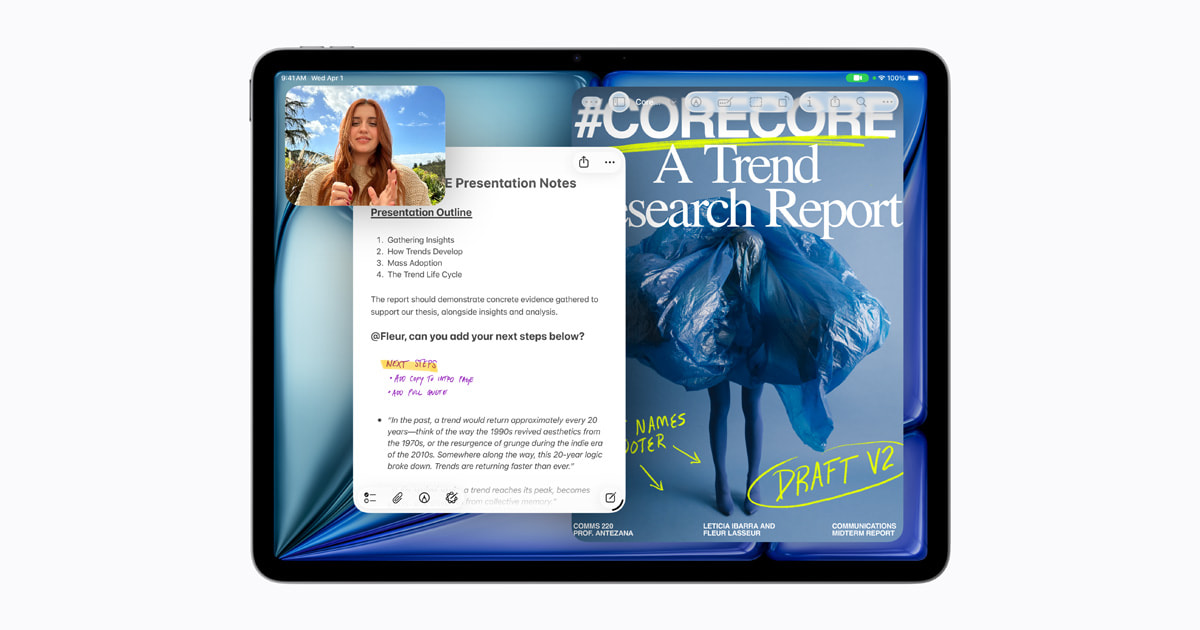
It is also worth keeping the hardware context in view. Siri AI arrives the same year Apple has been refreshing the Mac and iPad line, from new MacBook silicon to the iPad Air, and the assistant will eventually thread through all of those devices. For now, though, the iPhone is where the story lands first and hardest, and the iPhone is where the UK advantage is most visible.
Where to check next if you want Siri AI in the UK
Before you do anything else, confirm eligibility. Siri AI needs an iPhone 15 Pro or newer, so the first question is not where to buy but whether the phone in your pocket qualifies. If it does, you are sorted and you simply wait for the iOS 27 update this autumn. If it does not, then upgrading to an eligible iPhone is the route in, and you have plenty of UK options. Eligible iPhones are available directly from Apple’s UK store, as well as through EE, Vodafone and Virgin Media O2.
For most readers the smart move is to compare network deals rather than buy outright, because the headline phone price is rarely what you actually pay on a UK contract. Our roundup of the best iPhone deals on EE is a good benchmark for what a competitive monthly price looks like, and it is worth checking Vodafone and Virgin Media O2 against it before committing. The point is not to rush out and buy on keynote day. It is to know that Siri AI eligibility, not the iOS 27 update itself, is the thing that decides whether you get Apple’s flagship assistant this autumn.
Our verdict
Siri AI is the most important thing Apple has shipped in years, and the UK is unusually lucky to be first in line for it. We came into WWDC 2026 sceptical, given how many times Apple has promised a smarter Siri and then quietly delayed it, but a finished assistant with on-screen awareness, persistent memory and Gemini doing the heavy thinking is a genuine step change rather than another roadmap. The Gemini partnership will unsettle Apple purists, yet it is the pragmatic choice, and Private Cloud Compute is a credible answer to the privacy question. The catch is the hardware gate: if you are not on an iPhone 15 Pro or newer, this announcement is not for you yet, and that will sting owners of perfectly capable older phones. Our advice for UK readers is unhurried. Check your model, enjoy being on the right side of the EU divide for once, and treat the autumn update as the moment to judge Siri AI on results rather than keynote demos. If it delivers even most of what Apple showed, Britain will have got the better end of this deal.







Reader discussion
Leave a comment
Comments are moderated. Keep it useful, accurate, and on topic.